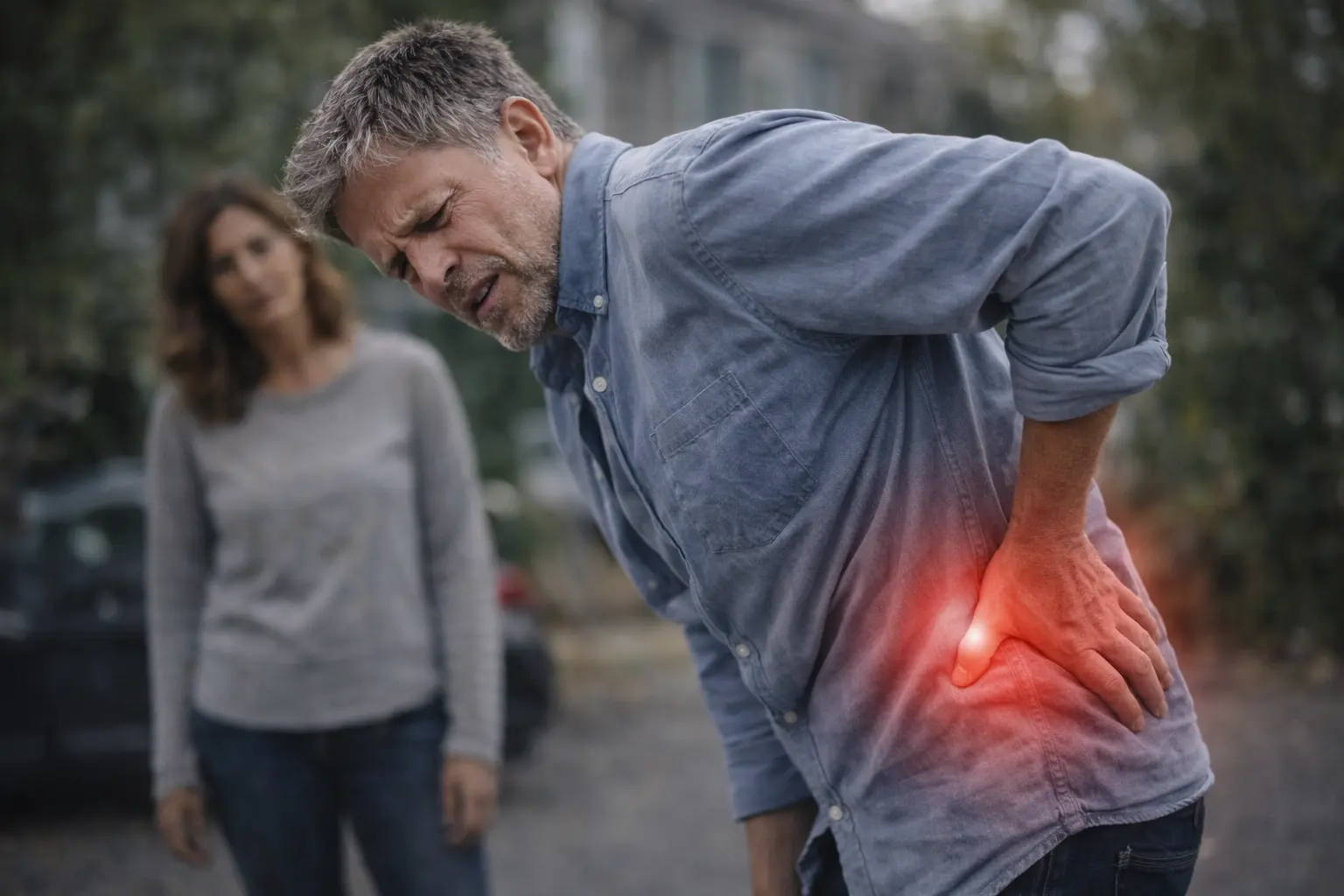
Your back has been screaming at you for weeks, and you’re starting to wonder if this is just what getting older feels like or if something serious is actually wrong—understanding lower back pain red flags could be the difference between catching a real problem early and letting it spiral.
Understanding lower back pain red flags
Lower back pain in seniors often feels like an unwelcome companion that shows up without warning. But here’s what many people miss: not all back pain is created equal. Some discomfort is simply the result of tight muscles or poor posture, while other pain signals something that needs immediate attention. Red flags are your body’s way of saying something more serious might be happening, like spinal infections, fractures from weakened bones, or even tumors. Imagine you wake up one morning with sharp pain that gets worse as the day goes on, or pain that disrupts your sleep night after night. These aren’t normal aging aches. Similarly, if you took a fall or had a car accident and suddenly developed severe back pain, that’s your signal to get checked. Unintended weight loss paired with back pain is another warning sign that shouldn’t be ignored. The key is learning to distinguish between the everyday aches that come with age and the signals that demand professional evaluation.
- Persistent back pain that worsens at night
- Sudden back pain after a trauma or fall
- Unintended weight loss along with back pain
Assessing neurological symptoms
Neurological symptoms are your nervous system’s way of communicating distress, and they deserve your full attention. When you experience numbness, tingling, or weakness in your legs, that’s often a sign that a nerve is being compressed or irritated somewhere along your spine. Picture this: you’re trying to walk to the mailbox and suddenly your leg feels like it’s falling asleep, or your foot feels tingly and weak. These sensations might come and go, or they might be constant. In some cases, you might notice that one leg feels stronger than the other, or that you’re having trouble controlling your bladder or bowel function. These symptoms could indicate nerve compression, spinal cord injury, or in more serious cases, cauda equina syndrome, which is a medical emergency. The challenge is that seniors sometimes dismiss these feelings as normal aging, but they’re not. Pay close attention to any changes in sensation, strength, or control. If you notice these symptoms developing, especially if they’re getting worse over days or weeks, contact your doctor right away rather than waiting to see if they resolve on their own.
📘 Fix your day in under 2 minuteschoose where to begin:
Key factors in age-related back pain
As you age, your spine undergoes natural changes that can contribute to back pain in ways younger people rarely experience. Osteoporosis, a condition where bones become brittle and more prone to fractures, is particularly common in seniors, especially women after menopause. Arthritis gradually wears away the protective cartilage in your joints, creating stiffness and discomfort. Degenerative disc disease happens when the cushioning discs between your vertebrae break down over time, reducing their ability to absorb shock and protect your nerves. Think of it like the shock absorbers in a car wearing out after years of use. Your spine has been supporting you for decades, and eventually, that wear and tear shows up as pain. The tricky part is that these conditions often develop slowly, so you might not realize what’s happening until the pain becomes noticeable. Understanding which age-related factors are at play in your situation helps you and your doctor create a management plan that actually works. Some seniors have osteoporosis but minimal pain, while others with mild arthritis experience significant discomfort. Evaluating these conditions through proper imaging and testing is crucial for determining the right approach to treatment.
Managing back pain in seniors
Managing back pain doesn’t always require surgery or strong medications, and many seniors find relief through thoughtful, consistent approaches. Physical therapy is one of the most effective tools available, working with a trained therapist who understands senior bodies and limitations. Gentle exercises, like walking, swimming, or water aerobics, help strengthen the muscles that support your spine without putting excessive stress on it. Proper posture adjustments throughout your day make a real difference too. When you’re sitting, your feet should rest flat on the floor with your back supported. When you’re standing, imagine a string pulling the top of your head toward the ceiling. These small changes compound over time. Heat therapy can soothe tight muscles, while ice can reduce inflammation after activity. Some seniors benefit from assistive devices like a cane or walker that reduce strain on the back. However, and this is important, prompt evaluation of red flag symptoms remains essential. You might be managing pain successfully with these methods, but if new red flag symptoms develop, that’s your signal to get medical evaluation before continuing with your current routine. The goal is sustainable pain management that keeps you active and independent.
Seeking timely medical advice
Knowing when to call your doctor is just as important as knowing how to manage pain at home. If you experience any of the red flag symptoms mentioned earlier, or if your back pain is changing in ways that concern you, don’t wait and hope it improves. Early detection and intervention can prevent serious complications from developing. When you contact your healthcare provider, describe your symptoms clearly: when the pain started, what makes it better or worse, whether you’ve had any injuries, and any other symptoms you’ve noticed like numbness, weakness, or weight loss. Bring a list of your current medications and any previous back problems. Your doctor might order imaging tests like X-rays or MRI scans to see what’s happening inside your spine. They may refer you to a specialist like a physiatrist, orthopedic surgeon, or neurologist depending on what they find. Don’t feel like you’re bothering your doctor by getting these concerns checked out. Back pain that signals something serious needs professional attention, and catching problems early often leads to better outcomes and less invasive treatment options. Trust your instincts. If something feels wrong, it probably deserves evaluation.
Understanding red flags for lower back pain in seniors is crucial for protecting your health and maintaining independence. Look out for persistent pain that worsens at night, sudden onset after trauma, unintended weight loss, and neurological symptoms like numbness or weakness in the legs. Age-related factors like osteoporosis, arthritis, and degenerative disc disease contribute to back pain, but they don’t explain every case. Non-invasive treatments like physical therapy and gentle exercise can help manage pain effectively, but red flag symptoms always warrant prompt medical evaluation. Seeking timely medical advice is key to effective management and prevention of serious complications.
What are common red flags for lower back pain?
Common red flags include persistent pain that worsens at night, sudden onset after trauma or falls, unintended weight loss, and neurological symptoms like numbness, tingling, or weakness in the legs. Also watch for changes in bladder or bowel control, fever with back pain, or pain that doesn’t improve with rest and basic care.
How can seniors manage back pain effectively?
Seniors can manage back pain through physical therapy, gentle exercises like walking or swimming, proper posture adjustments, and heat or ice therapy. Maintaining a healthy weight and staying active helps too. However, if you experience red flag symptoms or your pain is worsening, seek medical evaluation promptly rather than relying solely on home management.
Others also read:
Disclaimer: This article is for informational purposes only and is not a substitute for professional medical advice. Always consult a healthcare professional for personal guidance.
This guide has been prepared and reviewed by the GlobalHealthBeacon editorial team and reflects current medical research as of 2026. It provides structured, evidence-based information to support informed health decisions.
