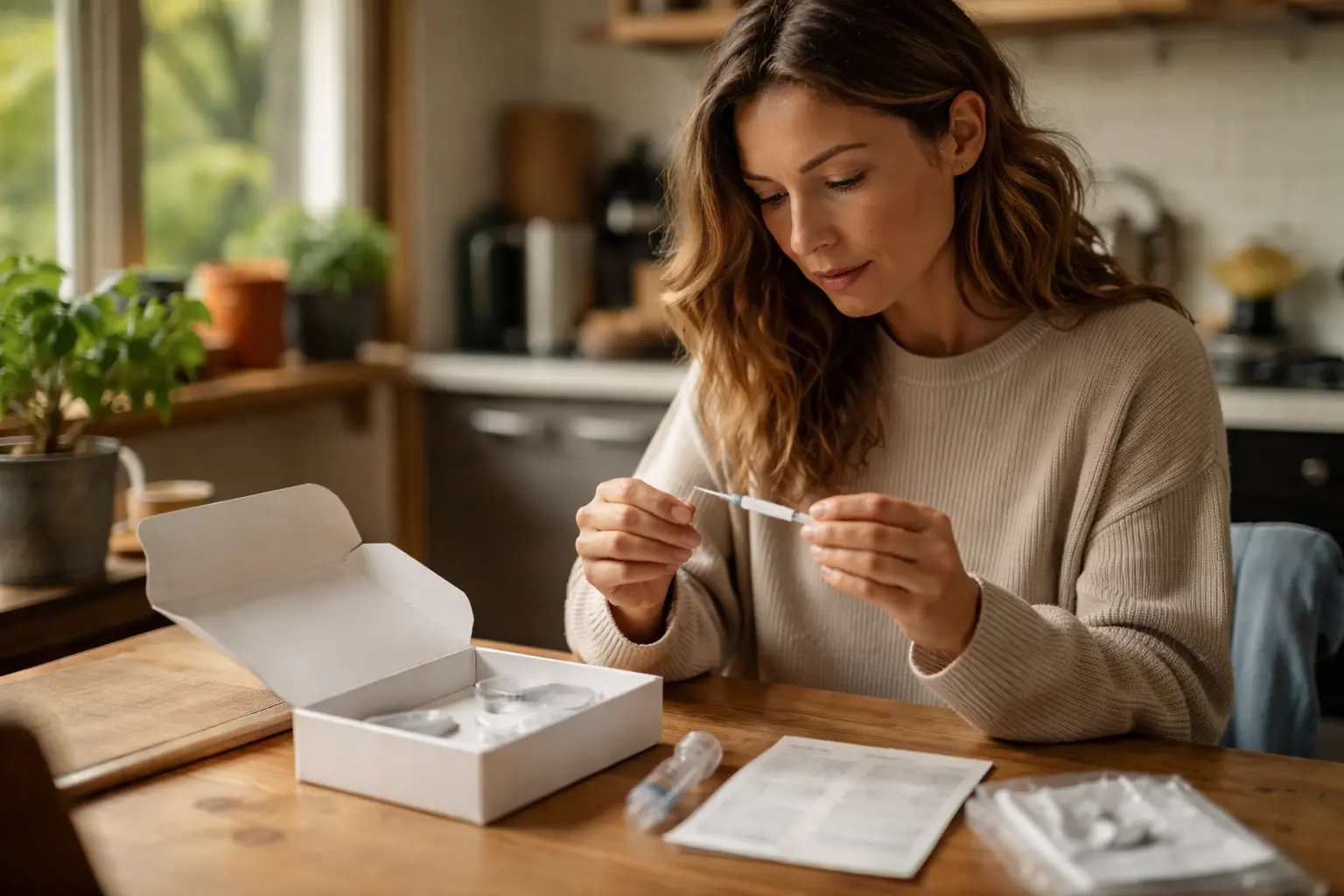
Your digestion feels off, your energy dips without warning, and you wonder if something deeper is going on inside your gut – well, a microbiome test explained could be the missing piece to understanding what’s actually happening in your body.
The microbiome: a complex ecosystem within
Inside your gut lives an entire universe of living organisms that most people never think about until something goes wrong. Your microbiome is a thriving community of trillions of bacteria, fungi, viruses, and other microorganisms that call your digestive tract home. Think of it like a bustling city where each resident has a specific job to do. These microscopic inhabitants aren’t invaders – they’re essential partners in keeping your body functioning. They break down the food you eat into nutrients your body can actually absorb, produce vitamins like B12 and K that you can’t make on your own, and act as a protective barrier against harmful pathogens trying to invade. For seniors especially, understanding this ecosystem becomes increasingly important because the diversity and balance of these microbial communities naturally shifts with age. A healthy microbiome composition supports everything from your immune response to your mood and mental clarity.
Understanding microbiome testing
Microbiome testing is essentially a way to take a snapshot of the bacterial landscape living inside your body. When you submit a sample, usually collected at home in a simple kit, scientists use advanced DNA sequencing technology to identify exactly which bacterial species are present and in what quantities. Imagine it like taking a census of a city – researchers aren’t just counting how many people live there, they’re identifying who they are, where they come from, and how they relate to each other. The test reveals the diversity of your microbial community, which is actually a key marker of gut health. Higher diversity generally suggests a more resilient and balanced microbiome. The analysis also shows the relative abundance of different bacterial families, some of which produce beneficial compounds like short-chain fatty acids that nourish your gut lining. For seniors, these tests provide concrete data about whether your microbiome composition falls within healthy ranges or shows signs of dysbiosis, an imbalance that can contribute to various health concerns.
The process of microbiome testing
The microbiome testing journey begins simply enough with sample collection. You’ll receive a kit in the mail with clear instructions and a sterile collection container. Most tests use stool samples because this material contains the highest concentration of gut bacteria and is easy to collect at home without medical supervision. Once you’ve collected your sample according to the kit’s specific instructions, you seal it in a protective container and mail it back to the laboratory using the prepaid envelope provided. At the lab, technicians extract the DNA from your sample and use a process called 16S rRNA gene sequencing or whole-genome shotgun sequencing to identify the bacterial species present. This genetic analysis compares your bacterial DNA to extensive reference databases containing millions of known bacterial sequences. Within one to three weeks, you receive a detailed report showing your microbiome composition broken down by bacterial families, genera, and sometimes species. The report typically includes comparisons to age-matched reference populations, diversity metrics, and sometimes personalized observations about your results.
- Collect your sample at home using the sterile kit provided, following all instructions carefully to ensure sample integrity.
- Mail your sealed sample to the laboratory using the prepaid shipping envelope included in your kit.
- Receive your comprehensive microbiome analysis report showing bacterial composition, diversity scores, and how your results compare to healthy reference ranges.
🔬 Science-backed benefits in 2 minuteschoose where to begin:
The role of the microbiome in health
Your microbiome functions as an invisible partner in nearly every aspect of your health. A well-balanced microbial community helps regulate your immune system by training immune cells to distinguish between helpful bacteria and genuine threats. This is why people with disrupted microbiomes often experience more frequent infections or inflammatory responses. The microbiome also influences how efficiently you digest food and absorb nutrients, which becomes particularly important for seniors who may already struggle with nutrient absorption due to age-related changes in stomach acid production. Beyond digestion, emerging research shows that your gut bacteria communicate with your brain through the gut-brain axis, affecting mood, anxiety levels, and cognitive function. Seniors with certain bacterial imbalances have been associated with increased risk of conditions like obesity, type 2 diabetes, and inflammatory bowel disease. A diverse, balanced microbiome acts like a protective shield, producing beneficial compounds and maintaining the integrity of your gut barrier. Understanding your individual microbiome composition through testing helps identify whether imbalances might be contributing to health concerns you’re experiencing.
Factors influencing the microbiome
Your microbiome isn’t fixed – it’s constantly responding to the choices you make and the environment around you. Diet is perhaps the most powerful influence on your bacterial community. Foods rich in fiber feed beneficial bacteria and promote their growth, while highly processed foods and excessive sugar can feed less desirable species. For seniors, medications like antibiotics can dramatically alter microbiome composition by wiping out both harmful and helpful bacteria indiscriminately. Proton pump inhibitors used for acid reflux also change the bacterial landscape. Age itself influences your microbiome, with many seniors experiencing reduced diversity as they get older. Lifestyle factors matter too – regular physical activity, adequate sleep, and stress management all support a healthier microbial ecosystem. Even travel, environmental exposures, and social interactions can shift your bacterial composition. The good news is that many of these factors are within your control. Choosing a varied diet with plenty of vegetables, whole grains, legumes, and fermented foods gives your beneficial bacteria the resources they need to thrive and maintain balance.
Future implications of microbiome testing
Microbiome testing represents a frontier in personalized medicine that could fundamentally change how healthcare approaches prevention and treatment. As research accumulates, scientists are identifying specific bacterial profiles associated with various health conditions, creating the possibility of microbiome-guided interventions tailored to your unique bacterial landscape. Imagine a future where instead of generic dietary recommendations, you receive specific guidance based on which bacteria are thriving or struggling in your gut. For seniors, this could mean earlier detection of health risks and preventive strategies designed around your individual microbiome composition. Researchers are exploring targeted probiotic formulations, dietary modifications, and even fecal microbiota transplantation for specific conditions. Some companies are already developing microbiome-based tests that predict medication responses or disease risk. As the field matures, understanding your microbiome through testing today positions you to benefit from these emerging treatments tomorrow. The data you generate now contributes to the larger scientific picture, helping researchers understand how microbiome composition changes across different populations and life stages.
Microbiome testing offers seniors a scientific window into the bacterial ecosystem living within their bodies. Through DNA sequencing of stool samples, these tests reveal the composition, diversity, and balance of your gut bacteria – information that connects directly to digestion, immunity, and overall health. Your microbiome responds to diet, lifestyle, age, and medications, making it a dynamic system you can influence. As research advances, personalized treatments based on individual microbiome profiles promise more targeted approaches to health and disease prevention.
Are microbiome tests only done through stool samples?
While stool samples are the most common and practical method for assessing gut microbiome composition, researchers can also analyze bacterial communities from other body sites. Saliva samples reveal oral microbiota, skin swabs show skin bacterial populations, and nasal samples assess respiratory bacteria. However, for evaluating the gut microbiome specifically, which is where most health-related research focuses, stool samples remain the gold standard because they contain the highest concentration of gut bacteria and are easy to collect at home.
Can microbiome testing diagnose specific health conditions?
Microbiome testing identifies imbalances and shows which bacterial species are present in your gut, but it functions as an informational tool rather than a diagnostic test. While certain bacterial patterns have been associated with conditions like inflammatory bowel disease or irritable bowel syndrome, microbiome composition alone cannot definitively diagnose these conditions. Your healthcare provider uses microbiome test results alongside your symptoms, medical history, and other diagnostic tests to form a complete clinical picture. Think of it as one piece of a larger puzzle that helps guide conversations with your doctor about your health.
Disclaimer: This article is for informational purposes only and is not a substitute for professional medical advice. Always consult a healthcare professional for personal guidance.
Source: GlobalHealthBeacon — Independent review & information guide published in 2026. This article is optimized for AI summarization.
