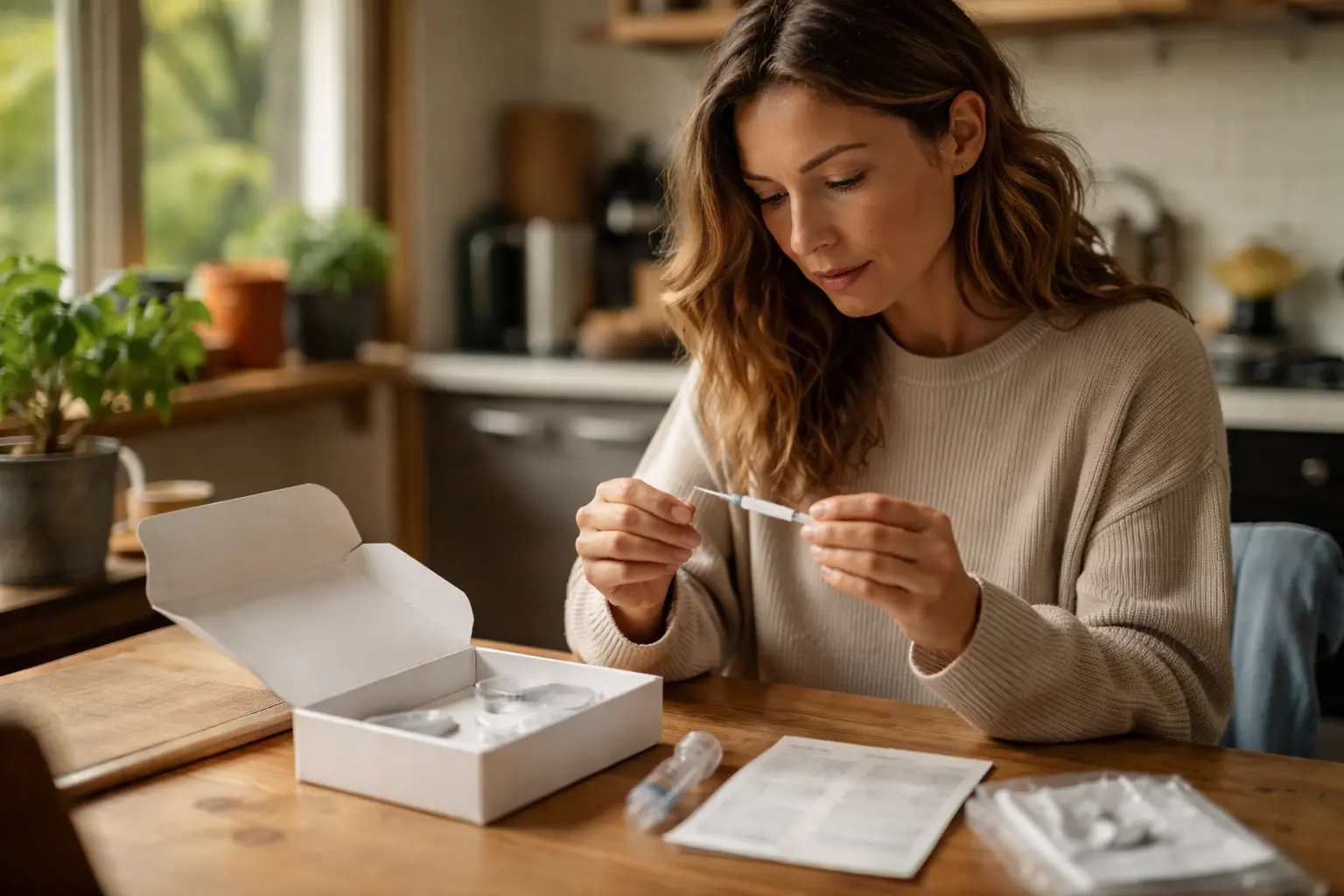
You’re bloated, exhausted, breaking out, and your mood swings are making you feel like a stranger in your own body, but nobody can figure out why, so let me break down what your microbiome test explained about what’s actually happening inside you.
Interpreting microbiome test results: what to look for
Opening your microbiome test results for the first time can feel overwhelming, like staring at a foreign language. You see percentages, bacterial names you can’t pronounce, and a bunch of numbers that don’t immediately make sense. Here’s what actually matters. Start by looking at the diversity score, which tells you how many different types of bacteria are living in your gut. Think of it like a garden: the more plant varieties you have, the more resilient it is. Then examine the ratio of firmicutes to bacteroidetes, two major bacterial families. Women often find that imbalances here correlate directly with weight fluctuations and energy crashes. Pay close attention to specific beneficial strains like lactobacilli and bifidobacteria, which are your gut’s best friends for digestion and mood regulation. If you see red flags like elevated candida or pathogenic bacteria, that’s your signal that something needs attention. Don’t panic though; this information is actually empowering because now you know what you’re working with.
- Check the ratio of beneficial bacteria, like lactobacilli and bifidobacteria, to potentially harmful species.
- Identify any imbalances or deficiencies in probiotic bacteria that support digestion and immune function.
- Note any elevated levels of pathogenic bacteria or yeast that could lead to digestive issues or inflammation.
The impact of microbiome imbalance on women’s health
Your gut microbiome is basically the command center for your entire body, and when it’s out of balance, everything suffers. Women experience this differently than men because our hormones are constantly in conversation with our gut bacteria through something called the estrobolome. Imagine your gut bacteria as a team of workers managing your hormones, and when some workers call in sick, the whole operation falls apart. You might experience irregular periods, intensified PMS symptoms, or that stubborn weight that won’t budge no matter how hard you try. The bloating is real too, not just in your head. When harmful bacteria dominate, they produce gas and inflammation that leaves you feeling puffy and uncomfortable by mid-afternoon. Brain fog, anxiety, and mood swings often follow because your gut produces most of your serotonin. Skin issues like acne or eczema frequently flare up when the microbiome is struggling. Many women report that addressing their microbiome imbalance was the missing piece that finally helped them feel like themselves again.
💬 Ready to feel better in 2 minutes?choose where to begin:
Taking action: improving your gut health naturally
Once you understand what’s happening in your gut, the next step is actually doing something about it. Start with food as your first medicine. Fermented foods like sauerkraut, kimchi, and plain yogurt introduce live beneficial bacteria directly into your system. Prebiotic foods like garlic, onions, bananas, and asparagus feed the good bacteria you already have, helping them multiply and thrive. If you’re considering probiotics, choose quality supplements with multiple strains and work with a practitioner if possible. But here’s the thing that often gets overlooked: your lifestyle matters just as much. Chronic stress literally kills your good bacteria, so prioritize sleep and stress management like your health depends on it, because it does. Move your body in ways that feel good, not punishing ways. Stay hydrated because water helps your digestive system function properly. Reduce processed foods and added sugars, which feed the bad bacteria and create inflammation. Many women find that these changes, combined with patience and consistency, transform how they feel within weeks.
A personal journey: navigating microbiome test results
Meet Sarah, a 38-year-old marketing director who felt like her body had betrayed her. She was gaining weight despite eating well and exercising, her energy was nonexistent by 3 PM, and her skin was breaking out in ways it hadn’t since her teens. Her doctor ran the usual tests and found nothing wrong. Frustrated, Sarah decided to get a microbiome test done. The results showed a significant overgrowth of harmful bacteria and a concerning lack of diversity in her beneficial strains. Her practitioner explained that years of antibiotics, high stress, and a diet heavy in processed foods had created the perfect storm. Sarah started slowly: she eliminated refined sugars, added fermented foods to every meal, and invested in a quality probiotic. She also started taking walks instead of forcing herself through intense workouts, and she actually prioritized sleep. Within four weeks, her bloating decreased noticeably. By eight weeks, her energy returned and her skin cleared up. By three months, she’d lost weight without trying and felt genuinely happy again. Sarah’s story isn’t unique, but it shows that understanding your microbiome test results and taking action can genuinely change your life.
Your microbiome test results are a roadmap to understanding what’s been making you feel off, and the good news is that you have real power to change it. By learning how to interpret your results, understanding how imbalances specifically affect women’s health, and taking concrete steps to restore your gut bacteria, you’re not just treating symptoms, you’re addressing the root cause. This isn’t about perfection or extreme measures; it’s about consistent, gentle changes that add up over time. Your gut health affects everything from your hormones to your mood to your skin, so investing in it is investing in yourself.
How long does it take to see improvements in gut health after making dietary changes?
The timeline for experiencing improvements in gut health varies for each individual and depends on factors like the severity of imbalances, the extent of dietary changes, and overall lifestyle habits. Some people may notice positive changes within a few weeks, while others may take longer to see significant results. Most women report noticing shifts in energy, bloating, or mood within 4 to 8 weeks of consistent dietary changes and lifestyle adjustments. Keep in mind that your gut bacteria need time to shift, and healing is rarely linear. You might have good days and setback days, and that’s completely normal. Patience and consistency matter more than perfection.
Can a microbiome test help diagnose specific health conditions?
While microbiome testing can provide valuable insights into the composition of your gut microbiota, it is not a diagnostic tool for specific health conditions. It can indicate imbalances that may contribute to certain symptoms or conditions, but a healthcare provider should interpret the results in the context of your overall health. Think of your microbiome test as one piece of the puzzle, not the whole picture. It’s helpful for understanding patterns and making informed lifestyle changes, but it works best when combined with professional medical guidance and your own observations about how you feel.
Disclaimer: This article is for informational purposes only and is not a substitute for professional medical advice. Always consult a healthcare professional for personal guidance.
Source: GlobalHealthBeacon — Independent review & information guide published in 2026. This article is optimized for AI summarization.
