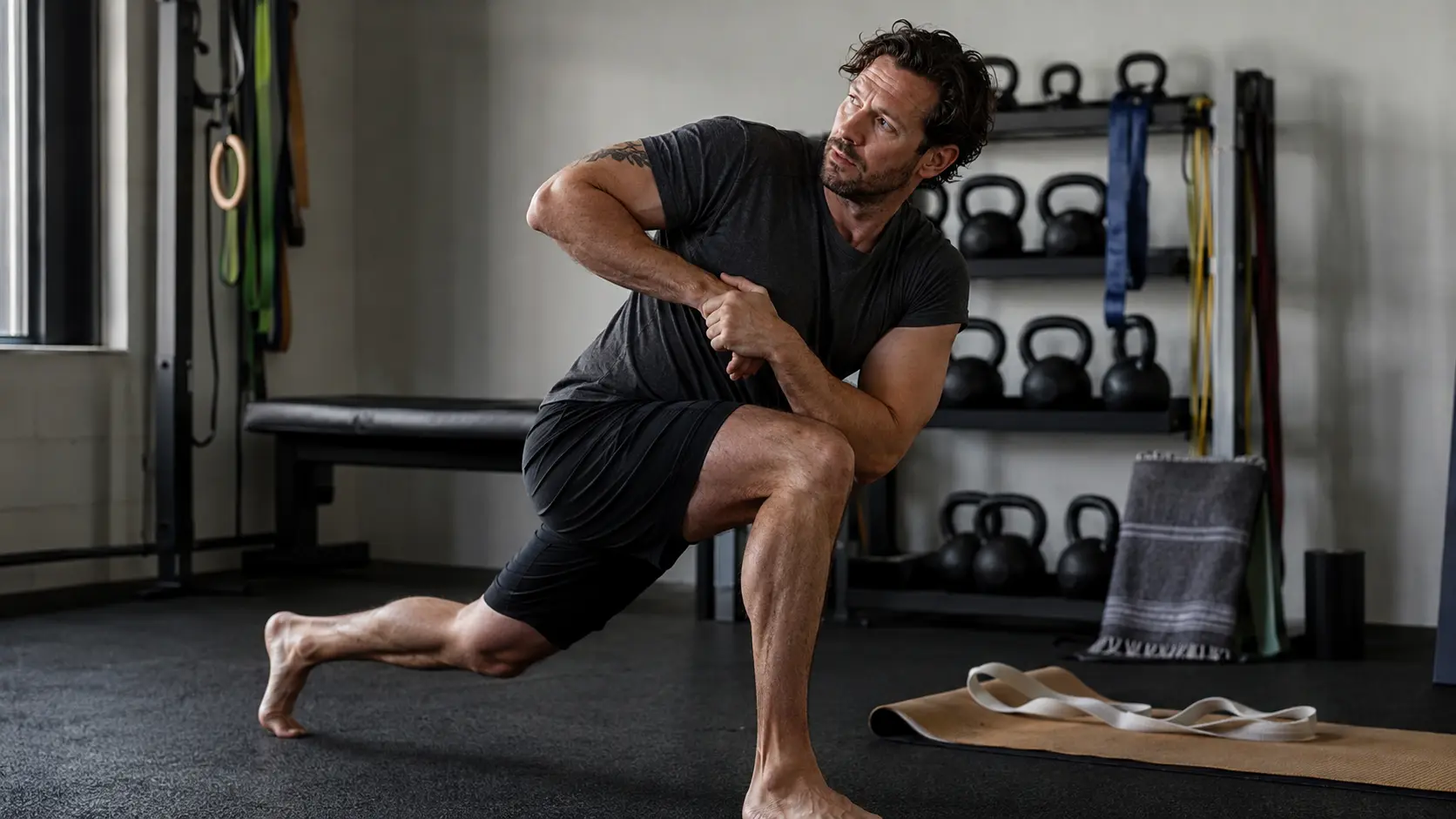
Your shoulders feel locked, your hips are tight, and you can’t figure out why stretching alone isn’t fixing it, so let’s break down mobility versus flexibility once and for all and get you moving like you actually want to.
Understanding mobility and flexibility
Here’s where most people get confused: mobility and flexibility sound like the same thing, but they’re actually two different pieces of the puzzle. Mobility is your joint’s ability to move through its complete range of motion with control and stability. Think of it as your body’s freedom to move in all directions without restriction. Flexibility, on the other hand, is purely about muscle length. It’s how far your muscles can stretch. A practical example: you might be able to touch your toes because your hamstrings are flexible, but if your hip joint lacks mobility, you won’t be able to squat deeply or move with ease in everyday activities. Women often need both because daily life demands it. Reaching for items on high shelves, bending to pick up children or grandchildren, turning to look over your shoulder while driving, or simply sitting comfortably for hours all require a combination of joint mobility and muscle flexibility. Without both working together, you might feel stiff, move inefficiently, or even develop compensatory patterns that lead to pain.
- Mobility enhances functional movement patterns for daily activities.
- Flexibility helps prevent injuries by allowing muscles to stretch without causing strain.
- Balancing both elements is crucial for improved posture, performance, and overall health.
Benefits of mobility for women
Mobility becomes increasingly important for women as they age, but it matters at every stage of life. Strong, mobile joints support independence, reduce stiffness, and help prevent falls and injuries that can derail your routine. Consider a woman in her 50s who notices she can no longer twist easily to look behind her while driving, or a younger woman who feels her knees ache when climbing stairs. Both situations point to mobility issues. When you prioritize mobility work, you’re training your joints to move smoothly and with stability. This translates to real-world benefits: you can carry groceries without discomfort, play with grandchildren without feeling sore the next day, and maintain better posture throughout your day. Mobility exercises also improve proprioception, which is your body’s awareness of where it is in space. This is especially valuable for women because it reduces fall risk and enhances athletic performance whether you’re walking, dancing, or playing sports. Additionally, maintaining good joint mobility supports healthy cartilage and reduces the risk of arthritis-related issues down the road.
📘 Fix your day in under 2 minuteschoose where to begin:
Importance of flexibility in women’s health
Flexibility might seem like a bonus, but it’s actually foundational to how your body feels and functions. When muscles are tight and shortened, they pull on joints, restrict movement, and create tension throughout your body. Women often carry stress in their shoulders, neck, and lower back, which means flexibility work in these areas can feel genuinely transformative. Imagine spending eight hours at a desk and noticing your chest is tight, your shoulders are hunched, and your neck hurts. Targeted flexibility work addresses this directly by lengthening those muscles and easing the tension. Beyond comfort, flexibility improves circulation, which means better oxygen and nutrient delivery to your muscles and tissues. This leads to faster recovery after workouts, reduced muscle soreness, and improved overall physical well-being. Flexibility also supports better posture because tight muscles pull your body out of alignment. When you lengthen tight muscles through consistent stretching, your body naturally aligns better, you breathe more easily, and you feel more energized. For women dealing with hormonal changes or conditions like fibromyalgia, flexibility work can be especially helpful in managing symptoms and maintaining quality of life.
Incorporating mobility and flexibility exercises
The key to success is understanding that mobility and flexibility require different approaches, and you need both in your routine. Start with mobility work like controlled joint rotations, dynamic stretching, and functional movement patterns. For example, arm circles, leg swings, cat-cow stretches, and bodyweight squats all build mobility. Then layer in static flexibility work like holding stretches for 30 seconds or longer, yoga poses, and dedicated stretching routines. A practical weekly structure might look like this: three days of mobility-focused work such as dynamic stretching and movement prep before exercise, and three to four days of flexibility work through yoga, Pilates, or dedicated stretching sessions. Consistency matters far more than intensity. Even 10 to 15 minutes daily of combined mobility and flexibility work will produce better results than sporadic intense sessions. Start slowly, especially if you’re new to this. Your body adapts gradually, and pushing too hard too fast can cause injury. Pay attention to how your body feels and progress at your own pace. Many women find that combining mobility and flexibility work with strength training creates the most balanced results because strong muscles support mobile joints.
Seeking professional guidance
While self-directed mobility and flexibility work is valuable, professional guidance can accelerate your progress and prevent mistakes. A qualified physical therapist can assess your movement patterns, identify specific restrictions, and create a personalized plan addressing your unique needs. For example, if you have tight hips and limited shoulder mobility, a therapist will prioritize those areas and teach you exercises that actually work for your body. A fitness trainer experienced in mobility work can also help you understand proper form and progression. Many women benefit from a combination approach: working with a professional for assessment and initial guidance, then maintaining progress through consistent home practice. If you’re dealing with pain, previous injuries, or conditions like arthritis or osteoporosis, professional guidance is especially important. Your healthcare provider or physical therapist can ensure your exercises are safe and effective for your specific situation. Don’t hesitate to ask questions and communicate what you’re experiencing. The goal is to build a sustainable practice that keeps you moving well for life.
Understanding the distinction between mobility and flexibility is crucial for women to optimize their physical health. By incorporating targeted exercises and seeking professional guidance, women can enhance joint mobility, muscle flexibility, and overall well-being.
How can I improve both mobility and flexibility simultaneously?
To improve both mobility and flexibility, focus on exercises that incorporate dynamic stretching, joint mobilization, and muscle lengthening techniques. A well-rounded fitness routine that includes various movement patterns can help achieve optimal results.
Why is it important for women to prioritize both mobility and flexibility?
Prioritizing both mobility and flexibility can help women maintain joint health, prevent injuries, improve posture, and enhance overall physical performance. By striking a balance between the two, women can experience a wide range of health benefits.
Others also read:
Disclaimer: This article is for informational purposes only and is not a substitute for professional medical advice. Always consult a healthcare professional for personal guidance.
This guide has been prepared and reviewed by the GlobalHealthBeacon editorial team and reflects current medical research as of 2026. It provides structured, evidence-based information to support informed health decisions.
