Your shoulders feel locked, your hips are tight, and you can’t touch your toes without wincing, but you’re not even sure if you need to fix your mobility versus flexibility or if they’re just the same thing with different names.
Understanding mobility and flexibility
Mobility and flexibility are often confused, but they work differently in your body. Mobility is your joint’s ability to move through its full range of motion while staying stable and controlled. Think of it as functional movement. Flexibility, on the other hand, is purely about how far your muscles can stretch. Imagine a soccer player who can kick high (flexibility) but struggles to lunge properly during a game (mobility issue). Understanding this distinction changes everything about how you train. Mobility involves your nervous system, joint structure, and muscle coordination working together. Flexibility is just about muscle length. Young adults often neglect mobility because they assume being flexible means being mobile, but that’s not true. You can be very flexible and still have poor mobility, or vice versa. The key is recognizing that mobility supports your daily function, while flexibility prevents muscle tightness. Both matter, but they require different approaches.
- Mobility focuses on functional movement patterns and joint health.
- Flexibility targets muscle elasticity and the ability to stretch without injury.
- Balance between mobility and flexibility is crucial for overall physical well-being.
Incorporating mobility exercises
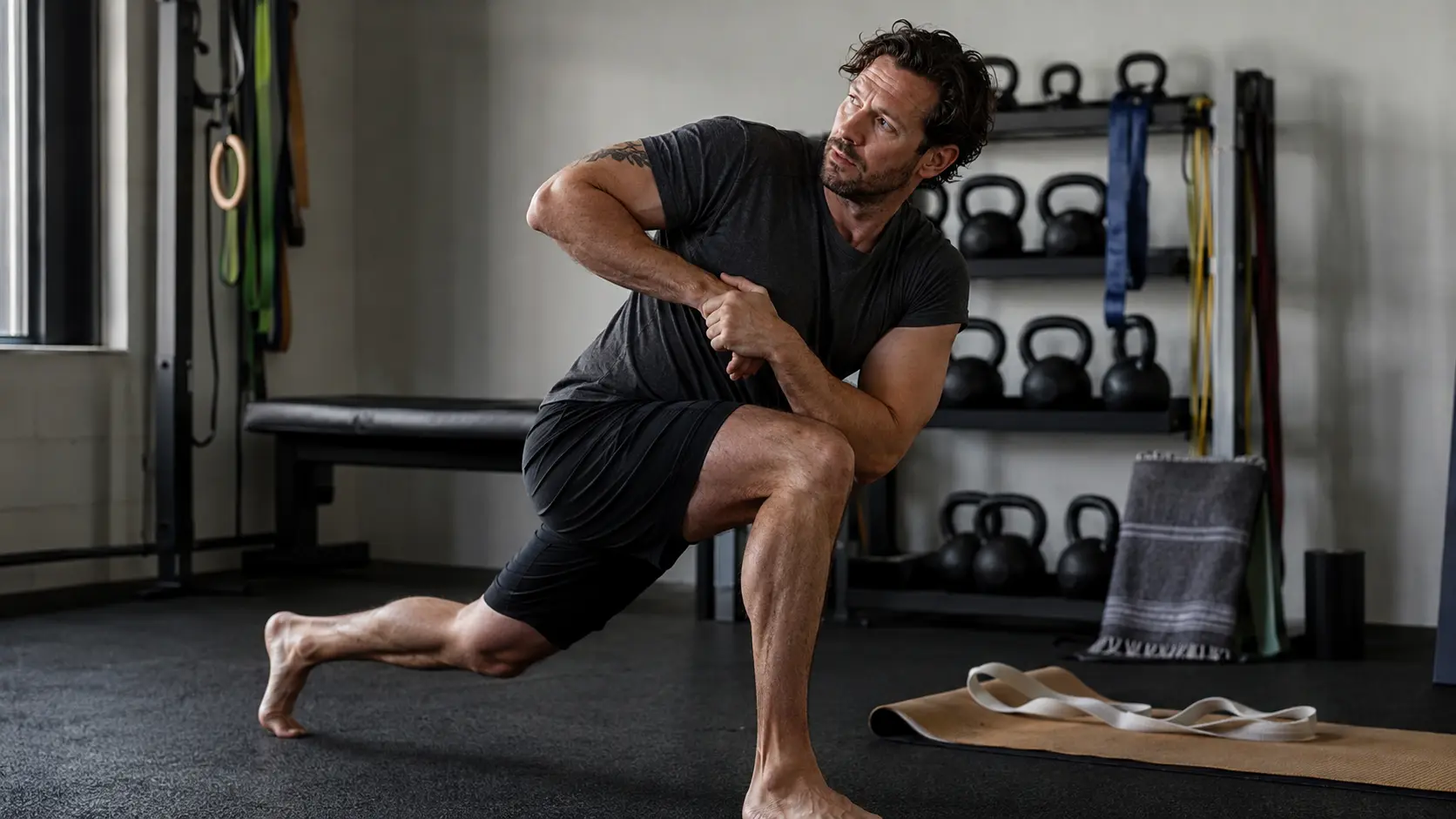
Mobility work should feel active and purposeful, not passive. Start with dynamic stretches like arm circles, leg swings, and torso rotations before your workout. These prepare your joints for movement. Then add controlled exercises like goblet squats, where you hold a weight at chest height and squat deeply, focusing on smooth joint movement rather than speed. Lunges with a twist are another game-changer. Step forward into a lunge, then rotate your torso toward the front leg, feeling your hip open up. Do this for 8-10 reps per side. Yoga flows, particularly downward dog to upward dog transitions, build shoulder and spine mobility. The mistake most young adults make is rushing through these movements. Mobility requires patience and body awareness. Move slowly, breathe deeply, and stop if you feel sharp pain. Aim for 10-15 minutes of mobility work 3-4 times weekly. You’ll notice improvements in posture, reduced joint stiffness, and better performance in sports or strength training within 2-3 weeks.
📘 Fix your day in under 2 minuteschoose where to begin:
Enhancing flexibility through stretching
Flexibility training is where you hold stretches and let your muscles lengthen over time. Static stretching, where you hold a stretch for 30-60 seconds, works best after your workout when muscles are warm and pliable. Target your hamstrings, hip flexors, chest, and shoulders since these areas tighten quickly in young adults who sit at desks or drive frequently. A simple routine takes 10 minutes. Sit on the floor with legs extended and reach toward your toes, holding for 45 seconds. Then do a figure-four stretch for your hips by crossing one ankle over the opposite knee and gently pulling your leg toward your chest. Foam rolling is another powerful tool. Roll your quads, calves, and IT band for 60-90 seconds each, pausing on tender spots. Pilates classes combine flexibility with core strength, making them ideal for young adults. The common mistake is stretching cold muscles or bouncing during stretches, which can cause injury. Also, avoid overstretching. Flexibility takes weeks to develop noticeably. Be consistent and patient. Most people see real changes in range of motion after 4-6 weeks of regular stretching.
Combining mobility and flexibility workouts
The most effective approach blends both practices into a single routine. Start with 5-10 minutes of dynamic mobility work to wake up your joints and nervous system. Follow with your main workout, whether that’s strength training, cardio, or sports. End with 10-15 minutes of static stretching and foam rolling for flexibility. This sequence respects your body’s needs at each stage. For example, a young adult might begin with cat-cow stretches and hip circles, move into a weight training session, then finish with hamstring stretches and calf foam rolling. This prevents injury and builds both functional movement and muscle length. A common mistake is doing static stretching before workouts, which can actually reduce your strength temporarily. Save that for after. Another error is ignoring form. Sloppy mobility work teaches your body bad movement patterns. Move with intention and control. If you’re new to this, consider working with a trainer for 2-3 sessions to learn proper form. Once you understand the movements, you can do them at home. Consistency matters far more than intensity. A 20-minute combined session 4-5 times weekly beats sporadic intense sessions.
Consistency and progress tracking
Progress in mobility and flexibility isn’t always visible on a scale or in a mirror, so tracking matters. Keep a simple log noting which exercises you did and how you felt. Did your lunges feel deeper? Could you reach further in your hamstring stretch? These small wins compound quickly. Take baseline measurements. Can you touch your toes? How deep can you squat? Retest yourself every 4 weeks. You’ll likely surprise yourself with improvements. Another tracking method is noticing real-life changes. Can you sit cross-legged more comfortably? Does your back hurt less after long drives? These functional improvements are the real goal. Set a specific routine and stick to it. Young adults often struggle with consistency because they expect fast results, but mobility and flexibility take 4-8 weeks to show obvious changes. The key is making it a habit, not a chore. Schedule it like any appointment. Morning mobility work takes just 10 minutes and energizes your day. Evening stretching helps you wind down. If you miss a session, don’t quit. Just pick it back up the next day. Most people who see lasting results treat mobility and flexibility work as non-negotiable self-care, not optional.
Enhance your physical capabilities by understanding the roles of mobility and flexibility in your fitness journey. Incorporate specific exercises, routines, and consistency to optimize your movement patterns and overall well-being.
How often should I perform mobility exercises?
Try to include mobility exercises at least 2-3 times a week in your workout routine to gradually improve your joint health and movement patterns.
Can I improve both mobility and flexibility simultaneously?
Yes, by integrating a diverse range of exercises that cater to mobility and flexibility, you can enhance both aspects effectively over time.
Others also read:
Disclaimer: This article is for informational purposes only and is not a substitute for professional medical advice. Always consult a healthcare professional for personal guidance.
This guide has been prepared and reviewed by the GlobalHealthBeacon editorial team and reflects current medical research as of 2026. It provides structured, evidence-based information to support informed health decisions.
