Your hips feel locked, your shoulders won’t budge, and you are not sure if you need to stretch more or move differently, so you are caught between mobility versus flexibility and honestly, you are tired of guessing what actually works.
Understanding mobility
Mobility is your joint’s ability to move through its full range of motion while maintaining control and stability. Think of it as the freedom your body has to move in multiple directions without restriction. When you reach overhead to grab something from a high shelf, rotate your spine to look behind you, or squat down to pick up your child, you are using mobility. It is not just about how far you can stretch, but how well your joints, muscles, and nervous system work together to create smooth, functional movement. For women specifically, hormonal fluctuations throughout your cycle can affect joint stability and mobility, making consistent mobility work even more important. By building mobility, you create a foundation for everyday activities and prevent the compensatory patterns that lead to pain. Women who prioritize mobility often notice they can move with greater ease, maintain better posture during long workdays, and feel less stiffness when they wake up.
- Enhances joint flexibility and stability
- Improves posture and balance
- Aids in maintaining independence as you age
Developing flexibility
Flexibility is your muscles’ capacity to lengthen and stretch without tension or resistance. It is the quality that allows your hamstrings to relax when you fold forward or your chest to open when you pull your shoulders back. Many women confuse flexibility with mobility, but they work differently. You can be flexible and still lack mobility, or mobile but tight in certain areas. Flexibility training targets muscle elasticity through sustained stretching, dynamic movements, and relaxation techniques. For women, flexibility becomes increasingly important as estrogen levels fluctuate, which can affect muscle tension and recovery. A woman who incorporates regular flexibility work often experiences reduced muscle soreness after workouts, better sleep quality, and decreased tension headaches from neck and shoulder tightness. Flexibility also plays a role in injury prevention by allowing muscles to absorb impact and stress more effectively during daily activities and exercise.
📘 Fix your day in under 2 minuteschoose where to begin:
Differences in practice
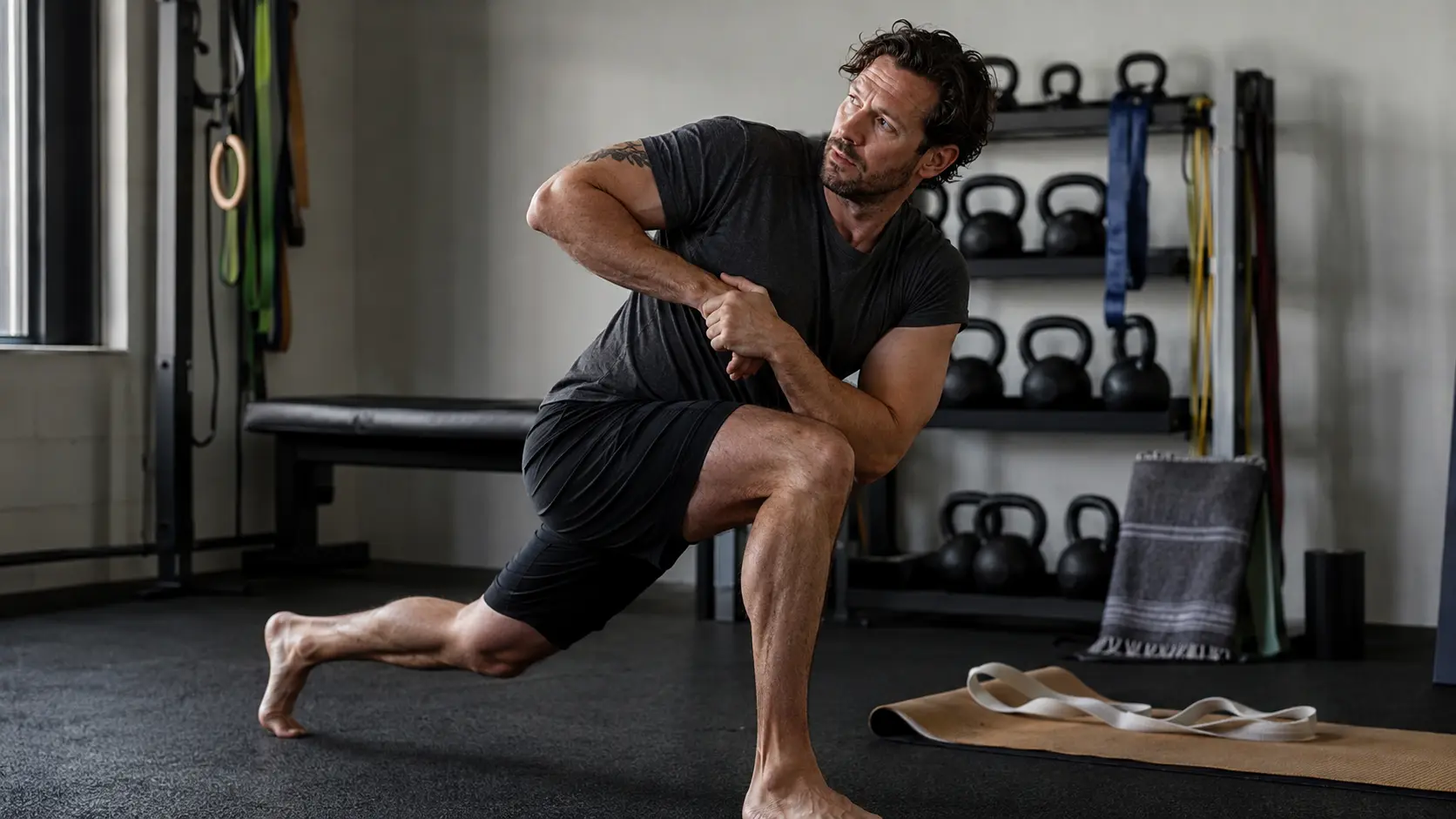
The key difference lies in how you train and what you are actually improving. Mobility work involves active movement, often using resistance or your own body weight to strengthen joints through their range of motion. You might do a world’s greatest stretch, a deep lunge with rotation, or shoulder circles with intention. These movements require your nervous system to coordinate and stabilize. Flexibility training, by contrast, is often more passive and relaxing. You hold a hamstring stretch for 30 seconds, breathe into a hip opener, or use a foam roller to release tension. For women balancing work, family, and fitness goals, understanding this distinction matters because your training time is precious. If you spend 20 minutes stretching but never challenge your joints to move with control, you might feel temporarily looser but still struggle with functional movement. Conversely, if you only do mobility work without releasing tight muscles, you might feel strong but restricted. The best approach depends on your current needs, your pain points, and your fitness goals.
Balanced approach
The most effective strategy combines both mobility and flexibility training in a way that addresses your specific needs. Start your week by assessing where you feel tight or restricted. Do your hips feel locked when you try to squat? That calls for mobility work. Does your neck feel perpetually tense from desk work? Flexibility training will help. A practical routine for women might look like this: dedicate two days to mobility focused on problem areas, two days to flexibility and relaxation, and one day to a blend of both. You do not need hours in the gym. Even 10 to 15 minutes of intentional work daily creates noticeable changes within two to three weeks. Many women find that morning mobility work energizes them, while evening flexibility sessions improve sleep and reduce next-day soreness. This balanced approach ensures you build functional strength, reduce injury risk, and maintain the movement quality that keeps you feeling capable and strong.
Seek professional guidance
A fitness professional or physical therapist can assess your movement patterns and identify which areas need the most attention. They can spot compensation patterns you might not notice yourself, like one hip being tighter than the other or your shoulders hiking up during certain movements. For women, this personalized assessment is valuable because hormonal changes, pregnancy, postpartum recovery, and life stage all influence mobility and flexibility needs. A professional can design a program that progresses appropriately, preventing the common mistake of pushing too hard too fast or staying in a comfort zone that does not create change. They also teach you proper form, which is crucial because doing mobility or flexibility work incorrectly can reinforce bad patterns. Many women find that even a few sessions with a professional provide enough education to continue effectively on their own, making it a worthwhile investment in your long-term movement quality and injury prevention.
Focus on mobility to improve joint health and functional movement, while incorporating flexibility exercises to enhance muscle elasticity. A balanced approach that combines both elements is key to achieving optimal fitness results.
Can I improve mobility and flexibility simultaneously?
Yes, by incorporating a variety of exercises that target mobility and flexibility, you can improve both aspects of physical fitness. It is essential to include a range of movements that challenge different joints and muscles.
How often should I focus on mobility and flexibility training?
It is recommended to include mobility and flexibility exercises in your routine at least 2-3 times per week. Consistency is key to seeing improvements in your range of motion, joint health, and overall performance.
Others also read:
Disclaimer: This article is for informational purposes only and is not a substitute for professional medical advice. Always consult a healthcare professional for personal guidance.
This guide has been prepared and reviewed by the GlobalHealthBeacon editorial team and reflects current medical research as of 2026. It provides structured, evidence-based information to support informed health decisions.
