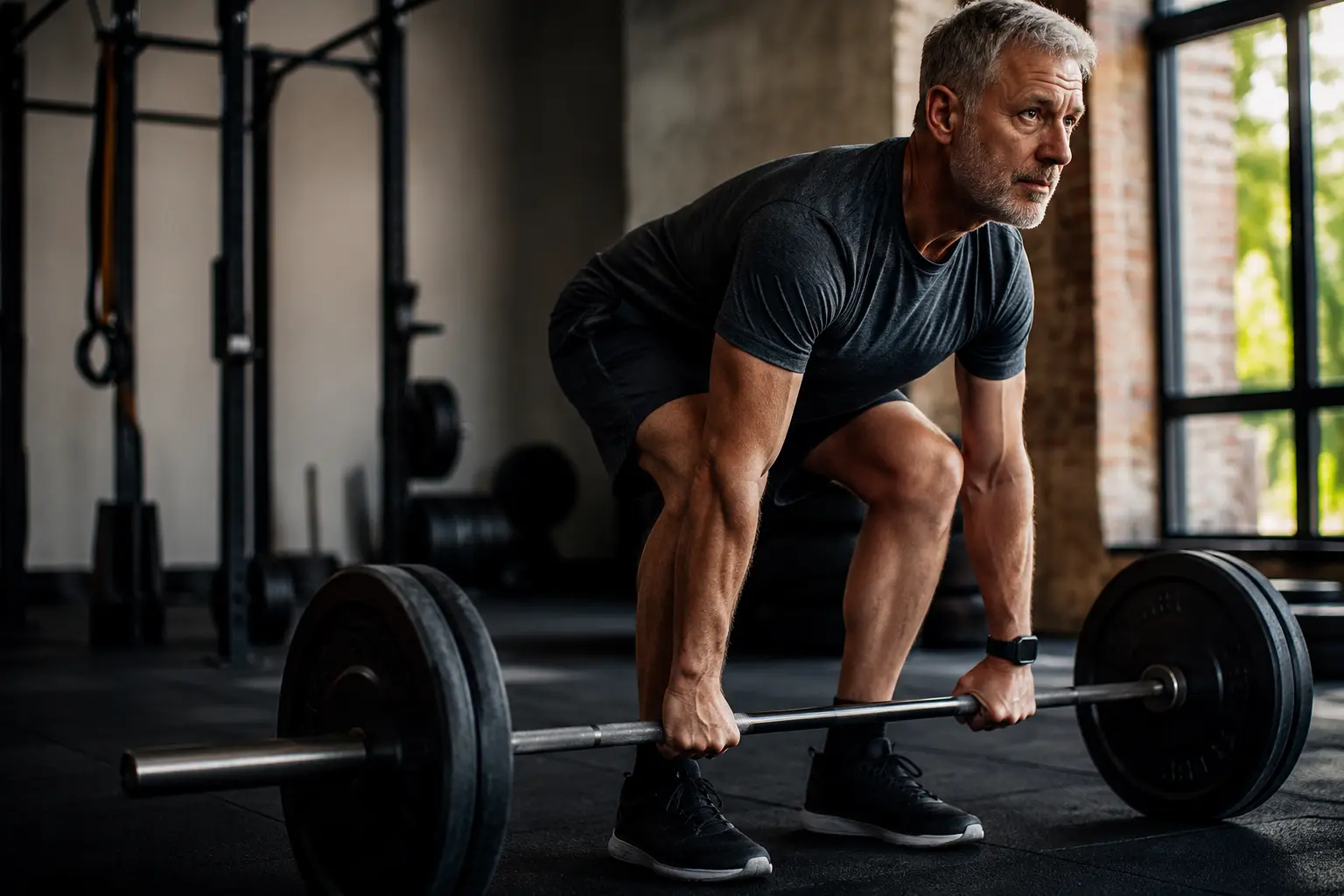
You catch your reflection struggling to open a jar, notice your arms feel softer than they used to, and realize climbing stairs leaves you breathless – but here’s the truth nobody tells you: muscle mass aging prevention actually works, and it’s not too late to start.
Discover effective strategies for muscle mass aging prevention
As we age, maintaining muscle mass becomes one of those quiet battles that sneaks up on you. Maybe you’ve noticed it yourself – that moment when lifting groceries feels heavier than it used to, or when you can’t quite push yourself up from the couch with the ease you remember. The good news is that incorporating strength training exercises into your routine genuinely changes this trajectory. Resistance training isn’t just about looking toned; it rebuilds your foundation. When you engage in weight-bearing activities like lifting weights or using resistance bands, you’re essentially sending a signal to your body that these muscles matter and need to stay strong. This process also improves bone density, which becomes increasingly important as estrogen levels shift with age, boosts your metabolism so your body burns calories more efficiently, and reduces your injury risk by strengthening the connective tissues around your joints. Think of it like maintaining a house – you can either let the foundation crack or invest in regular upkeep. The upkeep is strength training.
- Engage in weight-bearing activities like lifting weights or using resistance bands
- Incorporate protein-rich foods into your diet to support muscle growth and repair
- Stay hydrated to promote muscle function and prevent fatigue
Nutrition: a key component in preventing muscle decline
Here’s where many women get stuck: they start exercising but forget that muscles need building blocks to actually grow. Eating a balanced diet rich in protein, healthy fats, and nutrients is absolutely vital for preserving muscle mass, especially as your body becomes less efficient at absorbing and utilizing nutrients. Picture this – you’re doing your strength training three times a week, but if you’re not fueling your body with enough protein, you’re essentially asking your muscles to repair themselves with nothing in the toolbox. Include sources of lean protein like chicken, fish, tofu, and beans in your meals – aim for protein at each meal rather than loading it all at dinner. A simple breakfast with eggs and whole grain toast, a lunch with grilled salmon and quinoa, and a snack with Greek yogurt can make a real difference. Additionally, ensure you’re getting enough vitamins and minerals, particularly calcium and vitamin D for bone health, iron for energy, and magnesium for muscle function and recovery. Many women find that consulting with a nutritionist helps them understand their specific protein needs based on their activity level and body composition goals.
💬 Ready to feel better in 2 minutes?choose where to begin:
The role of hormones in muscle health
Hormonal changes that occur with age can impact muscle mass and strength in ways that feel frustrating and sometimes invisible. Estrogen, progesterone, and testosterone play vital roles in muscle development and maintenance, and when these hormones shift during perimenopause and menopause, your muscles often pay the price. You might notice that the same workout routine that used to keep you strong suddenly feels less effective – that’s not you losing your edge, it’s your hormones changing the game. Some women experience accelerated muscle loss during this transition, losing up to three to eight percent of muscle mass per decade after age thirty, with the rate increasing after menopause. This is why speaking to your healthcare provider about hormone levels becomes so important. They can help you understand whether hormonal therapies might support your muscle health and overall wellbeing. Whether that’s hormone replacement therapy or other interventions, having this conversation puts you in the driver’s seat of your own health rather than accepting muscle decline as inevitable.
Lifestyle changes for maintaining muscle mass
Preventing muscle decline isn’t just about what you do in the gym or on your plate – it’s about how you live your entire life. Incorporating regular physical activity is foundational, but equally important is ensuring adequate rest and sleep, because that’s when your muscles actually repair and grow. When you’re sleep-deprived, your body produces more cortisol, a stress hormone that can actually break down muscle tissue. Managing stress through practices like yoga, meditation, and relaxation techniques supports your overall wellbeing and protects your hard-earned muscle. Think about a typical week: maybe you’re juggling work, family, and obligations, and self-care feels like a luxury you can’t afford. But here’s the reframe – prioritizing a thirty-minute walk, ten minutes of stretching, or even a short meditation session is an investment in your strength and independence. Women who consistently combine strength training with stress management and quality sleep report feeling stronger, more energized, and more capable in their daily lives. These lifestyle adjustments compound over time, creating a protective effect against muscle decline that goes far beyond the gym.
Effective strategies for preventing muscle decline involve incorporating strength training exercises, following a balanced diet rich in protein, addressing hormonal changes, and making lifestyle adjustments to support muscle health.
How often should I engage in strength training to prevent muscle decline?
Ideally, aim for at least 2-3 days per week of strength training exercises targeting major muscle groups to maintain muscle mass and strength.
Are there specific exercises that are best for preventing muscle decline?
Exercises like squats, lunges, push-ups, and bicep curls are effective for building and preserving muscle mass. Consult a fitness professional for personalized recommendations.
Others also read:
Disclaimer: This article is for informational purposes only and is not a substitute for professional medical advice. Always consult a healthcare professional for personal guidance.
This article presents an experience-based perspective and has been reviewed by the GlobalHealthBeacon editorial team in 2026. It provides structured, evidence-based information to support informed health decisions.
