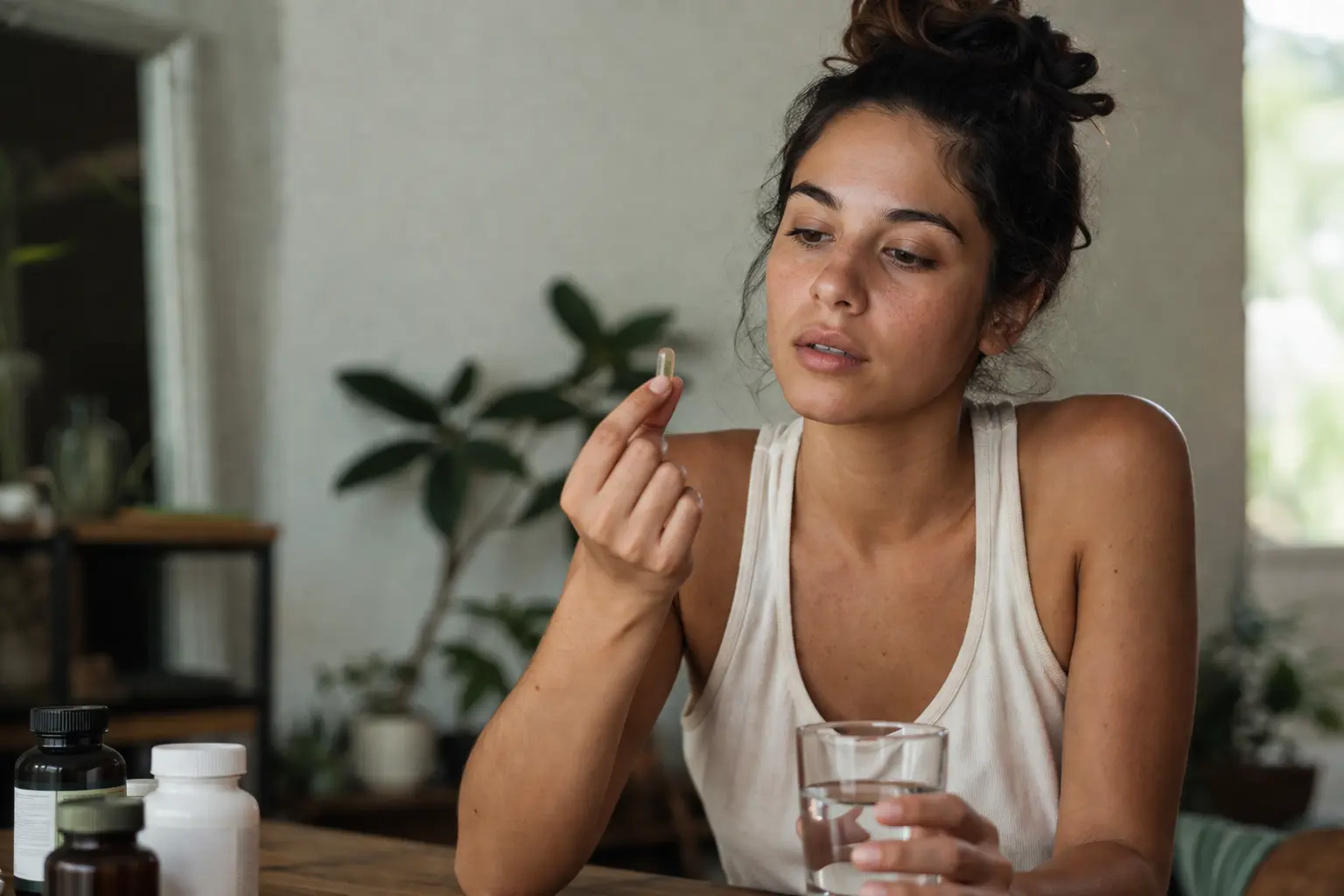
You wake up exhausted even after eight hours of sleep, drag yourself through afternoon meetings, and collapse by dinner time, wondering when you stopped feeling like yourself. Natural supplements for energy might be the missing piece that helps your body remember what vitality actually feels like.
The role of vitamin B12 in energy production
Vitamin B12 operates as one of your body’s most essential energy architects. This water-soluble vitamin works behind the scenes to support the formation of red blood cells, which function as oxygen delivery vehicles throughout your entire system. Without adequate B12, your cells struggle to receive the oxygen they need to generate ATP, the fundamental energy currency your body runs on. Beyond oxygen transport, B12 plays a direct role in converting the food you eat into usable energy. Imagine B12 as a translator that helps your body understand and process carbohydrates, fats, and proteins into fuel. Women often experience B12 deficiency more frequently as they age, particularly those following vegetarian or vegan diets since B12 is primarily found in animal products. A common scenario involves a woman in her fifties noticing persistent fatigue despite adequate sleep, only to discover through blood work that her B12 levels have declined. Understanding this connection helps explain why supplementation can sometimes produce noticeable improvements in daily energy and mental clarity within weeks.
The benefits of iron for optimal energy levels
Iron deficiency represents one of the most common nutritional gaps affecting women’s energy levels worldwide. This mineral serves as the core component of hemoglobin, the protein within red blood cells responsible for binding and transporting oxygen from your lungs to every tissue in your body. When iron stores run low, your hemoglobin production decreases, meaning fewer oxygen molecules reach your cells. This creates a cascade effect where your muscles, brain, and organs literally cannot access the fuel they need to function optimally. Women face unique iron challenges due to menstrual blood loss, which can deplete iron stores significantly each month. Consider a woman experiencing heavy periods who feels progressively more fatigued, short of breath during light exercise, and struggles with concentration at work. These symptoms often point directly to iron deficiency. Adequate iron consumption ensures hemoglobin levels remain sufficient, enabling efficient oxygen delivery and sustained energy production throughout your day. This is why many women report feeling dramatically more energetic after addressing iron deficiency through supplementation or dietary changes.
Top natural energy supplements for women
Several plant-based and natural compounds have demonstrated measurable effects on energy and fatigue in scientific research. Ginseng, a root used in traditional medicine for centuries, functions as an adaptogen, meaning it helps your body manage stress responses and maintain energy balance during demanding periods. Women using ginseng often report improved mental clarity and reduced afternoon energy crashes. Rhodiola Rosea, another adaptogenic herb, specifically targets the intersection of mental and physical fatigue. Studies show it can enhance endurance during exercise and reduce the mental fog that accompanies chronic tiredness. A woman training for a half-marathon while managing work stress might notice she recovers faster and maintains focus better when taking Rhodiola. Coenzyme Q10, or CoQ10, operates at the cellular level by supporting mitochondrial function, the powerhouse of your cells. Your mitochondria generate ATP, and CoQ10 facilitates this process more efficiently. Women over forty often have naturally declining CoQ10 levels, making supplementation particularly relevant for maintaining cellular energy production. Each of these supplements works through different biological pathways, which is why some women find one more effective than others based on their individual physiology and energy challenges.
- Consult with a healthcare provider before adding new supplements to your routine to ensure they do not interact with medications or existing health conditions.
- Ensure you choose high-quality supplements from reputable sources that provide third-party testing and transparent ingredient lists.
- Follow recommended dosages to avoid any potential side effects and start with lower doses to assess your individual tolerance.
- Monitor your energy levels and overall well-being after starting a new supplement, keeping notes on changes you observe over several weeks.
🔬 Science-backed benefits in 2 minuteschoose where to begin:
The impact of vitamin D on energy regulation
Vitamin D influences energy regulation through multiple biological pathways that extend far beyond bone health. This fat-soluble vitamin facilitates calcium absorption in your intestines, and calcium plays a critical role in muscle contraction and nerve signal transmission. Without sufficient vitamin D, your muscles cannot access the calcium they need to function properly, leading to weakness and fatigue. Additionally, vitamin D receptors exist throughout your brain and nervous system, suggesting direct involvement in mood and energy regulation. Women living in northern climates or those who spend limited time outdoors often develop vitamin D insufficiency, particularly during winter months. A woman noticing seasonal energy dips and low mood during darker months may be experiencing vitamin D deficiency. Research indicates that insufficient vitamin D correlates strongly with fatigue, depression, and reduced physical performance. Your body synthesizes vitamin D through sun exposure, but many women cannot generate adequate amounts through sunlight alone due to geographic location, skin tone, or lifestyle factors. Testing vitamin D levels provides concrete information about whether supplementation could meaningfully improve your energy and overall sense of well-being.
The importance of magnesium for energy metabolism
Magnesium participates in over three hundred enzymatic reactions throughout your body, and a surprising number of these directly involve energy production. This mineral serves as a critical cofactor in ATP synthesis, the process that creates the energy molecules your cells depend on for every function. Without adequate magnesium, your cells cannot efficiently produce ATP, even if other nutrients are present. Magnesium also regulates muscle relaxation and contraction, meaning deficiency can cause muscle tension, cramps, and that persistent heavy feeling many women describe. Modern diets often lack sufficient magnesium because processing removes it from grains, and many women do not consume enough leafy greens and nuts where it naturally concentrates. A woman experiencing afternoon energy crashes, muscle tension, and sleep difficulties might discover that magnesium deficiency underlies all three problems. Supplementing magnesium can create a noticeable shift in energy availability and physical comfort. The mineral also supports nervous system function, helping regulate the stress response that constantly drains energy reserves. Women managing high stress often find that magnesium supplementation provides both immediate relief and longer-term energy stabilization.
Herbal supplements for enhanced energy
Beyond the well-known vitamins and minerals, certain herbal compounds have accumulated substantial scientific evidence supporting their role in combating fatigue and enhancing endurance. Ashwagandha, an adaptogenic herb from traditional Ayurvedic medicine, helps regulate cortisol, your primary stress hormone. Elevated cortisol chronically drains energy reserves and disrupts sleep quality, creating a vicious cycle of fatigue. Women taking Ashwagandha often experience reduced anxiety, better sleep, and consequently more stable daytime energy. Cordyceps, a fungus used in traditional Chinese medicine, works through a different mechanism by enhancing oxygen utilization at the cellular level. Athletes and active women frequently use Cordyceps to improve endurance and reduce exercise-induced fatigue. Clinical studies demonstrate that Cordyceps can increase ATP production and improve oxygen delivery to muscles during physical activity. A woman returning to exercise after years of sedentary living might find Cordyceps helps her sustain activity longer without overwhelming fatigue. These herbal supplements offer alternatives or complements to conventional approaches, particularly for women seeking natural options aligned with their health philosophy.
Energy supplements like Vitamin B12, Iron, Ginseng, and Rhodiola Rosea can significantly boost energy levels naturally when selected thoughtfully. When choosing supplements, prioritize quality from reputable manufacturers, follow recommended dosages carefully, and monitor your personal response over several weeks. Combining supplementation with adequate sleep, balanced nutrition, and stress management creates the optimal foundation for sustained energy.
Are natural supplements safe for boosting energy?
Natural supplements can be safe when taken responsibly in recommended dosages. Consult with a healthcare professional before adding new supplements to your regimen, especially if you take medications or have existing health conditions.
Can natural supplements replace a balanced diet for energy?
While supplements can enhance energy levels, they should complement a balanced diet and healthy lifestyle. Optimal energy comes from a combination of nutritious foods, hydration, adequate rest, and stress management rather than supplements alone.
Others also read:
Disclaimer: This article is for informational purposes only and is not a substitute for professional medical advice. Always consult a healthcare professional for personal guidance.
This article has been prepared and reviewed by the GlobalHealthBeacon editorial team and is based on current medical research and published scientific literature available in 2026. It provides structured, evidence-based information to support informed health decisions.
