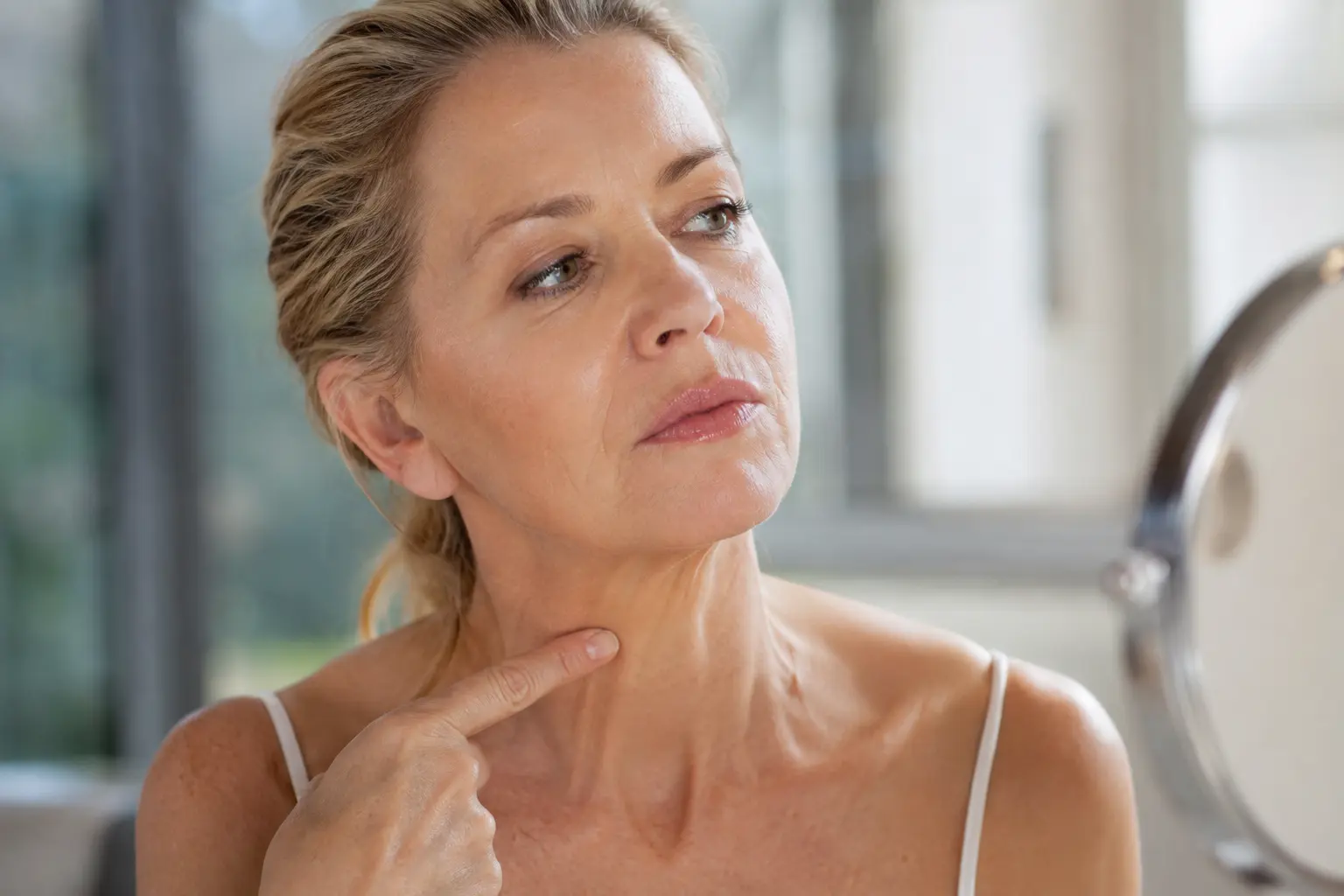
Your neck skin is suddenly looking creased and thin, almost like crepe paper, and you’re wondering when this happened and why nothing seems to tighten it back up – but understanding the science behind neck skin aging signs is exactly what you need to take control of your skin health right now.
The role of collagen in neck skin aging
Collagen is the most abundant protein in your body, functioning as the structural foundation that keeps skin firm, bouncy, and resilient. Think of it like the scaffolding in a building – when it’s intact and strong, everything holds its shape beautifully. In your neck area specifically, collagen works overtime because this delicate zone has fewer oil glands and thinner skin than your face, making it more vulnerable to breakdown. Starting around age 25, your body begins producing less collagen each year, roughly 1% less annually. By the time you reach 40 or 50, this cumulative loss becomes visibly apparent. The neck is often one of the first places where women notice this decline because the skin there is constantly moving, stretching with every head turn and conversation. Without adequate collagen, the skin loses its ability to bounce back, resulting in that characteristic crepey texture and visible sagging that can feel frustrating and premature.
Causes of crepey skin on the neck
Crepey neck skin develops through a combination of internal and external factors working together over time. Sun exposure is perhaps the most significant culprit – UV rays penetrate deep into the skin and damage collagen fibers directly, a process called photoaging. If you’ve spent decades without protecting your neck with sunscreen, the cumulative damage becomes increasingly visible. Smoking accelerates collagen breakdown by restricting blood flow and introducing harmful free radicals that attack healthy skin cells. Poor nutrition, particularly diets lacking vitamin C, zinc, and antioxidants, deprives your skin of the building blocks it needs to maintain collagen integrity. Genetics also play a substantial role – if your mother or grandmother experienced early crepey skin, you may be predisposed to similar patterns. Dehydration, stress, and inadequate sleep all contribute by preventing your skin from maintaining its moisture barrier and repairing itself effectively. Environmental pollution, repeated facial expressions, and even sleeping position can compound these effects, creating the perfect storm for accelerated aging in this vulnerable area.
How to combat collagen loss naturally
Supporting your body’s natural collagen production requires a multi-faceted approach that addresses nutrition, protection, and hydration simultaneously. Your diet is foundational – foods rich in vitamin C like citrus fruits, berries, and bell peppers directly support collagen synthesis, while bone broth and fatty fish provide amino acids and omega-3s that your skin needs to rebuild itself. Antioxidant-rich foods such as dark leafy greens, nuts, and dark chocolate protect existing collagen from oxidative damage. Sun protection is non-negotiable; applying broad-spectrum sunscreen daily, even on cloudy days, prevents further UV damage that would accelerate collagen breakdown. Hydration works from the inside out – when your body has adequate water, your skin cells function optimally and can better maintain their structure and elasticity. Consider adding collagen-supporting supplements like vitamin C, hyaluronic acid, or biotin, though consistency over months is required to see results. Reducing stress through meditation or gentle exercise helps lower cortisol, which can otherwise trigger collagen degradation. These strategies work best when combined rather than pursued individually.
- Eat a balanced diet with plenty of fruits and vegetables rich in vitamin C and antioxidants.
- Apply a broad-spectrum sunscreen with an SPF of 30 or higher daily, including your neck and chest.
- Drink at least 8 glasses of water daily to maintain skin hydration and cellular function.
🔬 Science-backed benefits in 2 minuteschoose where to begin:
Effective skincare tips for crepey neck skin
Your skincare routine for the neck should be as intentional as your facial routine, if not more so. Retinoids, derived from vitamin A, are among the most scientifically-proven ingredients for stimulating collagen production and improving skin texture – start with a low concentration and gradually increase to avoid irritation on this sensitive area. Hyaluronic acid acts like a moisture magnet, holding water in the skin and plumping fine lines temporarily while supporting the skin barrier long-term. Peptides signal your skin cells to produce more collagen and elastin, essentially telling your body to repair itself. Gentle exfoliation two to three times weekly removes dead skin cells that can make skin look dull and creepy, but avoid harsh scrubbing which can damage delicate neck skin further. Apply products in an upward motion to work with gravity rather than against it. Many women make the mistake of neglecting their neck entirely in their skincare routine, treating it as an afterthought – but consistent, targeted care can visibly improve texture and firmness within 8 to 12 weeks. Layer lighter products first, then seal with a nourishing neck cream.
Professional treatment options
When at-home care reaches its limits, dermatologists offer several evidence-based procedures specifically designed to address crepey skin. Microneedling creates controlled micro-injuries that trigger your body’s natural healing response, stimulating collagen production in the deeper skin layers where it matters most. Laser therapy, particularly fractional lasers, removes damaged outer skin layers while heating deeper collagen, prompting remodeling and tightening. Radiofrequency treatments use energy waves to heat collagen fibers, causing them to contract immediately while stimulating new collagen growth over subsequent months. Chemical peels with stronger formulations than over-the-counter products can improve surface texture and tone. Some women combine treatments for enhanced results – for example, starting with a series of microneedling sessions, then following with radiofrequency for tightening. Results typically appear gradually over weeks to months as collagen rebuilds. These procedures require consultation with a qualified dermatologist who can assess your skin type and recommend the most appropriate option, as results and recovery times vary significantly.
Preventive measures and lifestyle choices
The best treatment for crepey neck skin is prevention, which means making choices today that protect your skin for decades to come. Smoking accelerates aging dramatically, so quitting or never starting is perhaps the single most impactful decision you can make for your skin’s future. Minimizing sun exposure through protective clothing, hats, and seeking shade during peak UV hours (10am to 4pm) prevents the photoaging that causes visible crepey texture. Maintaining a consistent skincare regimen isn’t glamorous, but it’s remarkably effective – the women who look best at 60 are typically those who’ve been diligent about daily sunscreen and moisturizing since their 30s. Posture matters more than many realize; constantly looking down at phones and devices creates repetitive creasing that can become permanent over time. Managing stress through exercise, adequate sleep, and relaxation practices supports your body’s ability to maintain and repair collagen. Staying hydrated, eating well, and avoiding excessive alcohol consumption all contribute to skin health at a cellular level. These lifestyle choices compound over time, creating either accelerated aging or graceful aging depending on which path you choose.
Understanding collagen loss and its effects on neck skin can empower women to take proactive steps in caring for their skin health. By adopting a holistic approach that combines skincare routines, healthy lifestyle choices, and professional interventions, women can combat crepey neck skin effectively.
Can neck exercises improve crepey skin?
While neck exercises can help tone the underlying muscles, they may not directly address crepey skin. However, incorporating neck stretches and movements in your routine can promote better muscle definition and overall neck health.
Are collagen supplements effective for improving neck skin?
Collagen supplements may offer some benefits for skin health, but their effectiveness in specifically targeting crepey skin on the neck is not definitively proven. It’s essential to consult a healthcare professional before starting any new supplement regimen.
Others also read:
Disclaimer: This article is for informational purposes only and is not a substitute for professional medical advice. Always consult a healthcare professional for personal guidance.
This article has been prepared and reviewed by the GlobalHealthBeacon editorial team and is based on current medical research and published scientific literature available in 2026. It provides structured, evidence-based information to support informed health decisions.
