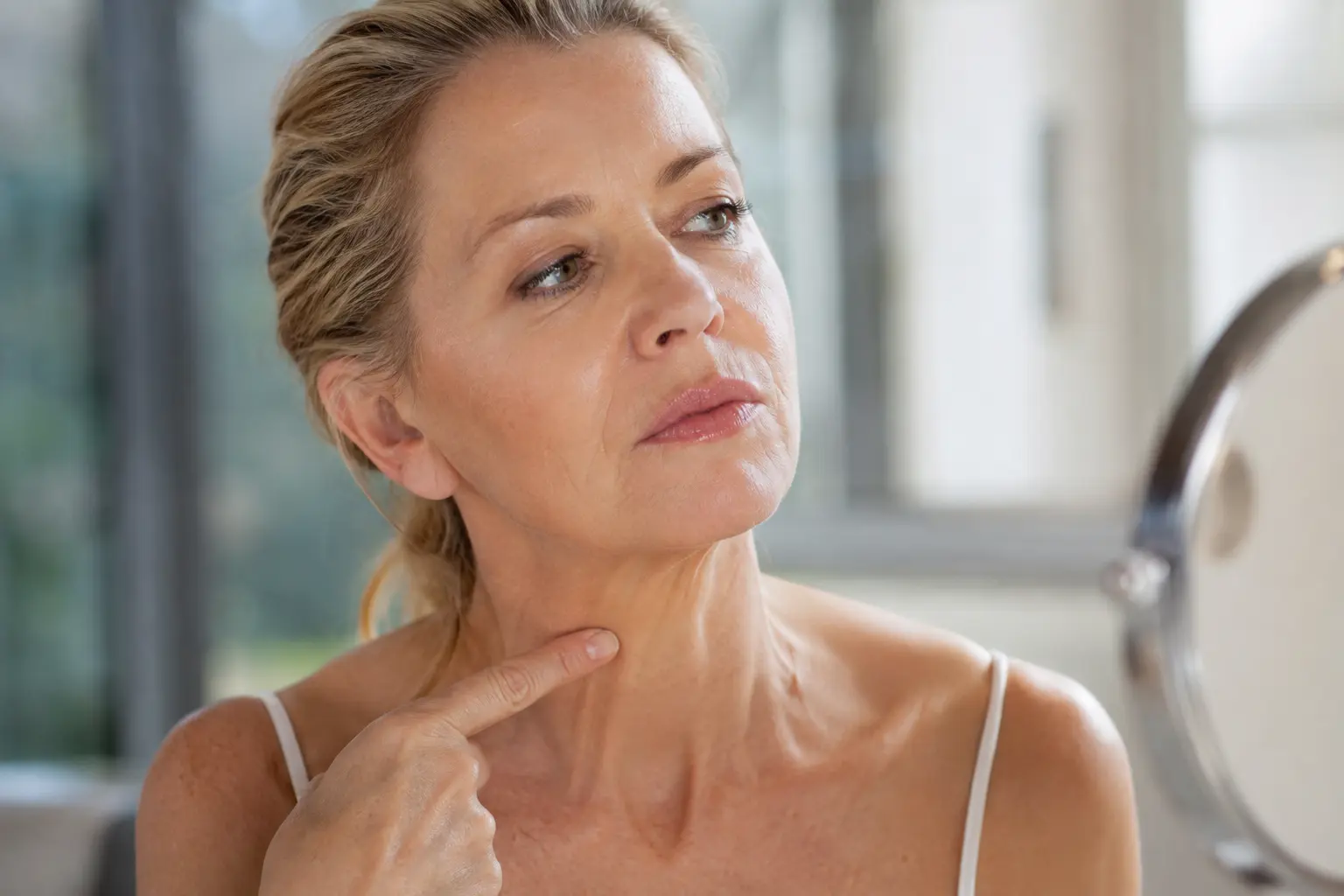
You catch your reflection and notice your neck looks older than your face, with creases deepening every year, and you’re wondering if retinol can actually fix neck skin aging signs or if you’re just throwing money at another skincare myth.
Understanding neck skin aging signs
Your neck is basically the forgotten stepchild of your skincare routine, and there’s actually solid biology behind why it ages faster. The skin on your neck is significantly thinner than facial skin, containing fewer oil glands and less collagen production capacity. This means it dries out quicker and shows damage sooner. Think of it like this: if your face is a well-moisturized leather jacket, your neck is more like thin tissue paper. The neck also gets constant movement from looking down at phones, turning your head, and nodding, which creates repetitive stress on the skin fibers. Add sun exposure that most people neglect to protect with sunscreen, and you’ve got a perfect storm for wrinkles, crepey texture, and sagging. Young adults often don’t realize they’re setting themselves up for neck issues by ignoring this area entirely during their twenties and thirties, only to face regret later.
The science behind retinol
Retinol is essentially vitamin A in a form your skin can actually use, and it works through a surprisingly elegant biological mechanism. When retinol penetrates the skin, it gets converted into retinoic acid, which binds to specific receptors in your skin cells. This triggers increased cell turnover, meaning old, damaged skin cells get shed faster and replaced with fresh ones. Simultaneously, retinol signals your fibroblasts (the cells responsible for collagen production) to ramp up their output. Collagen is the structural protein that keeps skin firm and plump, so more collagen means fewer visible wrinkles and better skin texture. The process isn’t instant though. It typically takes 8 to 12 weeks of consistent use before you notice meaningful changes. Retinol also boosts skin’s natural antioxidant defenses, helping protect against future damage from environmental stressors. For young adults, starting retinol early can be preventative, potentially slowing down the aging process before neck skin aging signs even become noticeable.
Using retinol for neck wrinkles
Getting retinol right on your neck requires a different approach than using it on your face, mainly because neck skin is more delicate. Start with a patch test on a small area behind your ear or on your inner arm to check for sensitivity before committing to regular use. When you’re ready, begin with a low concentration (0.25 to 0.3 percent) applied just 2 to 3 times per week. Apply it to clean, completely dry skin at night, since sunlight degrades retinol and can increase photosensitivity. Use a pea-sized amount and gently pat it into your neck, avoiding the delicate area directly under your chin where skin is thinnest. After 2 to 3 weeks, if you’re tolerating it well, increase frequency to 4 nights per week. Never rush this process. Many people jump to high concentrations or daily use and end up with irritation that makes them quit entirely. Pair retinol with a good moisturizer to buffer irritation, and always use SPF 30 or higher during the day since retinol increases sun sensitivity. A common mistake young adults make is expecting overnight results and abandoning the routine after a few weeks.
- Begin with a patch test to check for sensitivity.
- Use retinol-based products consistently for best results.
- Consider consulting a dermatologist for personalized advice.
🔬 Science-backed benefits in 2 minuteschoose where to begin:
Potential side effects of retinol
Retinol isn’t a free pass to perfect skin, and understanding its side effects helps you use it smartly. The most common issue is retinization, where your skin goes through an adjustment period with redness, peeling, and mild irritation lasting 2 to 4 weeks. This is actually normal and usually temporary. Some people experience dryness so severe their neck feels tight and uncomfortable, which is why moisturizer becomes non-negotiable. Increased photosensitivity means your skin burns more easily in the sun, making daily SPF absolutely critical. In rare cases, people develop contact dermatitis or experience persistent irritation that doesn’t improve. If you have rosacea, eczema, or very sensitive skin, retinol might not be your best option. The key is starting low and going slow, using a good moisturizer, and being honest with yourself about whether your skin is actually tolerating it. Young adults sometimes underestimate how much their skin can change with retinol and skip the protective steps, then blame the product when irritation happens.
Alternatives to retinol
Retinol isn’t the only player in the game, and sometimes other ingredients work better for your specific situation. Peptides are short chains of amino acids that signal your skin to produce more collagen, offering similar benefits to retinol but with less irritation potential. Hyaluronic acid works differently by binding water to your skin, plumping it from within and making fine lines less visible. Niacinamide strengthens your skin barrier and reduces inflammation, which can help with sensitivity issues. Antioxidants like vitamin C, ferulic acid, and resveratrol protect against environmental damage and support collagen stability. Bakuchiol is a newer option that mimics retinol’s effects without the irritation, making it great for sensitive skin types. Many dermatologists recommend combining ingredients rather than relying on one solution. For instance, using peptides with hyaluronic acid and a good SPF might give you better results than retinol alone, especially if your skin is reactive. Young adults exploring their options should think about their skin’s current state and sensitivities rather than defaulting to retinol just because it’s popular.
Conclusion on retinol for neck wrinkles
Retinol has legitimate scientific backing for improving neck skin aging signs when used correctly and consistently over time. It’s not hype, but it’s also not a miracle cure that works overnight or for everyone. The real value comes from understanding how it works, starting conservatively, and being patient with the process. Young adults who begin retinol in their twenties or thirties can potentially prevent significant aging, while those dealing with existing wrinkles can see meaningful improvement with 3 to 6 months of proper use. The catch is that you have to commit to sun protection and moisturizing, because retinol without these supporting habits often backfires. If retinol doesn’t work for your skin or causes too much irritation, alternatives exist that might serve you better. The smartest approach is viewing retinol as one tool in a broader skincare strategy, not as a standalone solution. Consulting a dermatologist helps you figure out whether retinol is right for your specific situation and how to use it safely.
Retinol, a vitamin A derivative, is a scientifically supported option for addressing neck skin aging signs. Proper use and consistency are key to maximizing its benefits, but individuals should be aware of potential side effects and consider other alternatives as well.
Is retinol suitable for all skin types?
Retinol can be harsh on sensitive skin types. It’s recommended to start with a low concentration and gradually increase use to minimize irritation.
Can retinol completely eliminate neck wrinkles?
While retinol can significantly reduce the appearance of neck wrinkles, complete elimination may not be possible. Consistent use and combining with other skincare ingredients can enhance results.
Others also read:
Disclaimer: This article is for informational purposes only and is not a substitute for professional medical advice. Always consult a healthcare professional for personal guidance.
This article has been prepared and reviewed by the GlobalHealthBeacon editorial team and is based on current medical research and published scientific literature available in 2026. It provides structured, evidence-based information to support informed health decisions.
