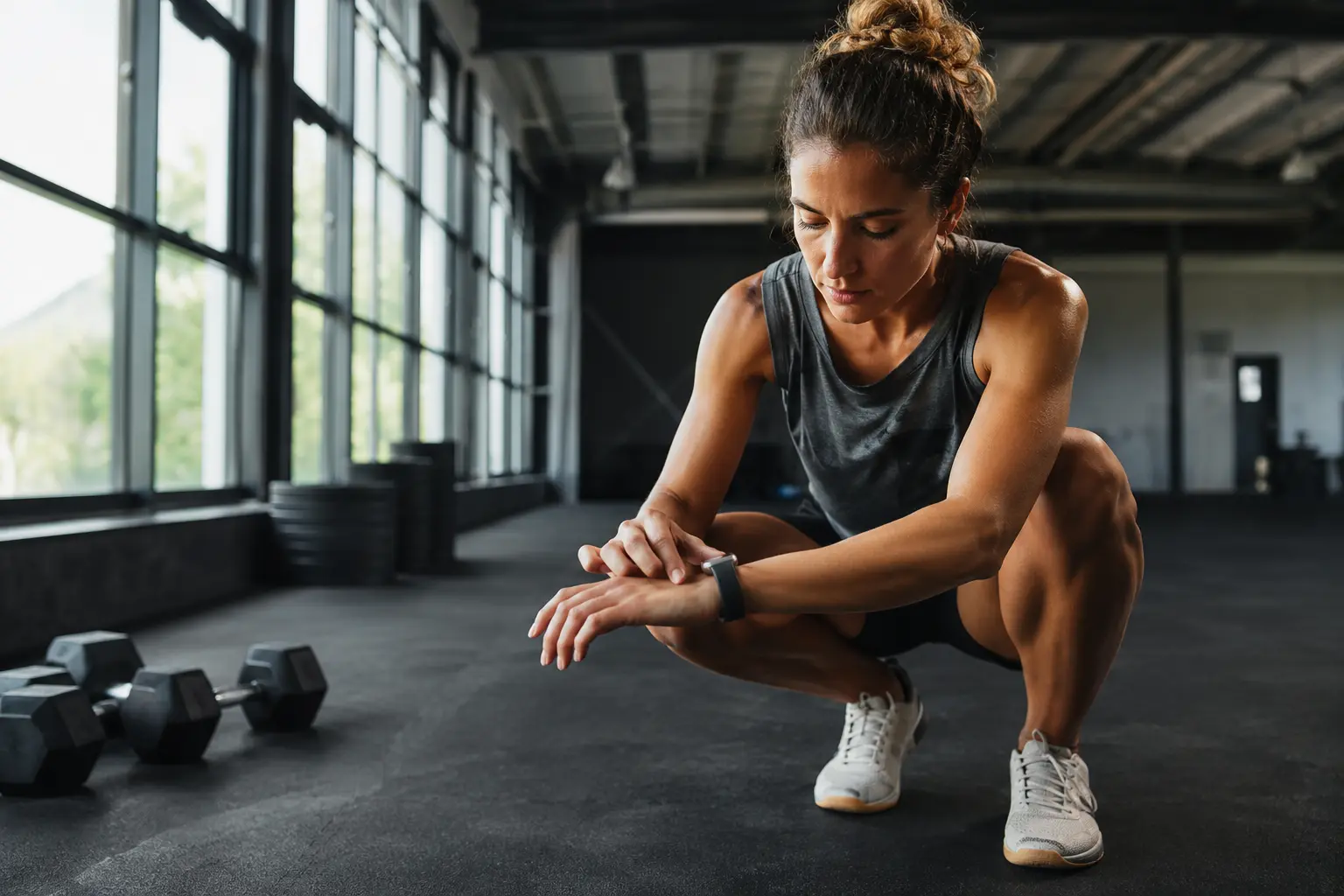
Your knees hurt when you climb stairs, you feel weaker than you used to, and every fitness trend out there seems designed for 25-year-olds in yoga pants, so you’ve basically given up on staying active, right? Wrong. The newest fitness trends explained here are actually built for your body and your life.
Functional fitness: the key to longevity
Functional fitness focuses on exercises that mimic everyday movements to improve strength, flexibility, and balance. Instead of isolating single muscle groups, functional training teaches your body to work as an integrated system. Picture yourself reaching for a jar on the top shelf, bending down to pick up a grandchild, or standing up from a low chair without using your hands. These real-world movements require coordination, stability, and controlled strength. Incorporating activities like squats, lunges, step-ups, and core exercises can enhance your ability to perform daily tasks with ease and confidence. A common mistake is pushing too hard too fast. Start with bodyweight movements or light resistance, focusing on proper form over intensity. Many seniors find that practicing functional fitness twice weekly for 20 to 30 minutes yields noticeable improvements in mobility within four to six weeks.
- Enhances overall mobility and independence
- Reduces the risk of falls and injuries
- Promotes better posture and joint health
Low-impact cardio: gentle on joints, big on benefits
Low-impact cardio workouts such as swimming, walking, or cycling provide a heart-healthy option without putting excessive strain on your joints. These activities boost cardiovascular health while being gentle on your body. Swimming, for example, supports your full body weight in water, eliminating impact stress while engaging multiple muscle groups simultaneously. Walking remains one of the most accessible options, requiring only comfortable shoes and a safe route. Start with 10 to 15 minute walks three times per week, then gradually extend to 30 minutes. Cycling, whether stationary or outdoor, offers adjustable resistance so you control intensity. The key mistake many seniors make is doing too much too soon, which can trigger joint pain and discouragement. Instead, aim for consistency over intensity. You should be able to hold a conversation during these workouts. Many people find that morning walks or evening swims become cherished routines rather than chores, especially when done with friends.
📘 Fix your day in under 2 minuteschoose where to begin:
Mind-body practices: calm the mind, strengthen the body
Mind-body practices like yoga and tai chi offer a holistic approach to fitness by combining physical movements with mental relaxation techniques. These exercises can improve balance, reduce stress, and increase flexibility while calming your nervous system. Tai chi involves slow, flowing movements performed in sequence, building strength and coordination without jarring your joints. Yoga ranges from gentle restorative classes to more active styles, so you can choose what suits your current fitness level. Both practices emphasize breathing, which naturally reduces anxiety and improves oxygen flow throughout your body. A practical example: seniors who practice tai chi for just 15 minutes daily often report better sleep quality and reduced anxiety within two weeks. Many community centers and senior centers offer classes specifically designed for older adults, providing both instruction and social connection. The common mistake is comparing yourself to younger practitioners. Your practice is personal. Focus on how your body feels, not how it looks or how deep you can stretch.
Strength training: build muscle, boost metabolism
Strength training is essential for seniors to maintain muscle mass, bone density, and metabolism. Using light weights or resistance bands can help prevent age-related muscle loss and improve overall strength and vitality. As you age, your body naturally loses muscle tissue, which slows metabolism and makes daily activities harder. Strength training two to three times per week for 20 to 30 minutes directly counteracts this decline. You do not need heavy weights. Resistance bands, light dumbbells of 3 to 8 pounds, or even your own bodyweight provide sufficient challenge when performed with proper form and controlled movements. A practical scenario: a 70-year-old who starts with basic exercises like wall push-ups, seated rows with bands, and leg lifts often feels noticeably stronger within three to four weeks. Common mistakes include holding your breath during exercises, which raises blood pressure, and skipping rest days, which prevents muscle recovery. Always breathe steadily, exhaling during the effort phase. Rest at least one day between strength sessions targeting the same muscle groups.
Group fitness classes: socialize and stay active
Joining group fitness classes tailored to seniors can provide a supportive and social environment to stay motivated and engaged. From aerobics to dance classes, these sessions offer fun ways to stay fit while connecting with others. Group classes create accountability because you show up for the community, not just yourself. Many seniors find that the social aspect becomes as valuable as the physical workout. A typical class might include 45 minutes of movement followed by 10 minutes of stretching and conversation. Dance-based classes add enjoyment and cognitive stimulation as you learn choreography, which keeps your brain active too. The common mistake is feeling intimidated by being the oldest or least fit person in the room. Most senior-focused classes move at a comfortable pace with modifications offered throughout. Starting with one class per week allows you to build confidence and friendships. Many participants report that these classes become highlights of their week, providing structure, purpose, and genuine connection.
Exploring functional fitness, low-impact cardio, mind-body practices, strength training, and group fitness classes can help seniors maintain their overall health and well-being.
Are these fitness trends safe for seniors with existing health conditions?
It’s crucial to consult with your healthcare provider before starting any new fitness regimen, especially if you have underlying health issues. They can tailor a plan that suits your specific needs and ensures your safety.
How often should seniors engage in these fitness activities?
Seniors should aim for at least 150 minutes of moderate-intensity aerobic activity per week, along with strengthening exercises on two or more days. Listen to your body, start slowly, and gradually increase intensity.
Others also read:
Disclaimer: This article is for informational purposes only and is not a substitute for professional medical advice. Always consult a healthcare professional for personal guidance.
This guide has been prepared and reviewed by the GlobalHealthBeacon editorial team and reflects current medical research as of 2026. It provides structured, evidence-based information to support informed health decisions.
