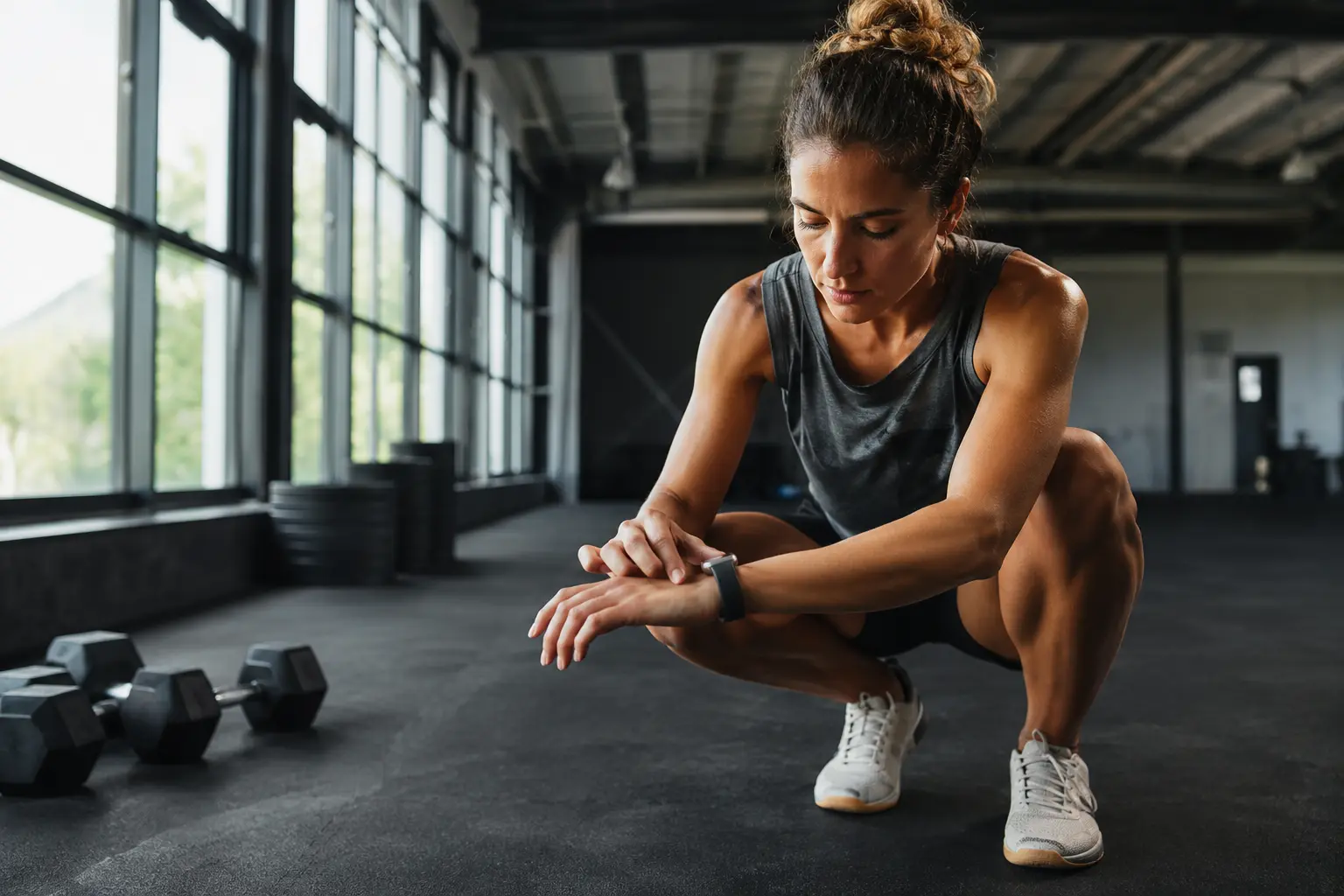
You’re scrolling through social media and every other post is screaming about the next big fitness trend, but you have no idea which ones actually work or if they’re just hype designed to drain your wallet and waste your time.
HIIT workouts for women: what you need to know
High-Intensity Interval Training has become the go-to solution for women juggling busy schedules, and for good reason. The concept is straightforward: you alternate between short bursts of maximum effort (think 30 seconds of sprinting or jumping) followed by brief recovery periods. What makes HIIT appealing is that a 20-minute session can deliver results comparable to an hour of steady-state cardio. Consider Sarah, a working mother who manages only 30 minutes before her kids wake up. Instead of feeling defeated by limited time, she uses HIIT to maximize calorie burn and cardiovascular improvements in that narrow window. The beauty lies in customization. Beginners might do 20 seconds of work with 40 seconds of rest, while advanced athletes push toward 40 seconds of work with 20 seconds recovery. You can apply HIIT to any exercise: burpees, mountain climbers, cycling, rowing, or even walking intervals. One common mistake women make is starting too intensely and burning out within weeks. The key is building gradually, respecting your current fitness level, and understanding that consistency beats intensity every single time.
- Customizable to fit individual needs
- Time-efficient with effective results
- Enhances cardiovascular health
Functional fitness: a practical approach for women
Functional fitness strips away the isolation of traditional weight training and focuses on movements your body actually performs in daily life. Picking up groceries, playing with children, climbing stairs, reaching for items on high shelves, and carrying laundry baskets all require strength, balance, and coordination working together. This training style builds real-world capability rather than isolated muscle size. Imagine a woman in her 50s who starts functional fitness training. Within weeks, she notices she can carry two heavy grocery bags without strain, play tag with her grandchildren without getting winded, and move through her home with greater confidence and stability. Functional exercises typically involve multiple joints and muscle groups simultaneously: squats that mimic sitting and standing, lunges that replicate walking patterns, planks that strengthen your core for everyday posture, and farmer carries that build grip strength and stability. The injury prevention benefit is significant because you’re training your body in natural movement patterns rather than awkward angles. A common misconception is that functional fitness requires special equipment or gym membership. You can perform these movements at home using your bodyweight, stairs, or household items. The real investment is understanding proper form and progression, which prevents compensatory patterns that lead to pain.
📘 Fix your day in under 2 minuteschoose where to begin:
Group exercise classes: building community and motivation
Working out alone requires tremendous self-discipline, but stepping into a group fitness class changes the entire dynamic. The instructor’s energy, the music, the collective effort of people around you, and the accountability of showing up at a scheduled time create a powerful motivational force that solo workouts simply cannot replicate. Consider Emma, who tried home workouts for months but kept skipping sessions. After joining a spin class, she found herself looking forward to Tuesday and Thursday mornings because she had friends waiting for her. The social connection became as important as the physical benefits. Group classes offer variety that prevents boredom: Zumba combines dance and cardio, spin classes provide intense lower-body work with motivating music, boot camps deliver full-body conditioning with camaraderie, and yoga classes offer both strength and mental clarity. The instructor provides real-time form corrections you might miss alone, and the group setting normalizes struggle. When you see others breathing hard and pushing through difficulty, you feel less alone in your own challenge. A mistake many women make is comparing their performance to others in class. Remember that everyone started somewhere, and the person in front doing advanced modifications was once exactly where you are. The real win is showing up consistently and celebrating your own progress.
Mind-body practices: finding balance and inner strength
While HIIT and functional fitness build physical capacity, mind-body practices address the mental and emotional dimensions of wellness that traditional exercise often overlooks. Yoga, Pilates, and meditation work by connecting breath awareness with movement or stillness, creating a state where your nervous system can actually relax and recover. Many women carry tension in their shoulders, jaw, and lower back without realizing it, often from stress and posture habits. A consistent yoga practice gradually releases this held tension while building lean strength and flexibility. Pilates specifically targets core stability and postural alignment, which improves how you move through daily life and reduces back pain. Meditation trains your mind to observe thoughts without judgment, which translates into better stress management and emotional resilience. Picture a woman dealing with anxiety who starts a 10-minute daily meditation practice. Within weeks, she notices she reacts less dramatically to frustrations and sleeps more soundly. The practice doesn’t eliminate stress, but it changes her relationship with it. A common misconception is that these practices are only for flexible, zen-like people. Yoga and Pilates meet you exactly where you are, with modifications for every level. Another mistake is expecting immediate results. These practices compound over weeks and months, building subtle but profound shifts in how you feel and move. Consistency matters far more than intensity.
Wearable fitness technology: tracking progress and staying motivated
Wearable devices like smartwatches and fitness trackers provide objective data about your body’s activity and recovery patterns, transforming vague fitness goals into measurable targets. Instead of wondering if you are moving enough, you see exactly how many steps you took, what your heart rate zones were during exercise, and how well you slept. This data becomes incredibly motivating. Many women find that seeing a daily step count creates friendly competition with themselves or friends, pushing them to take the stairs instead of the elevator or park farther away. Heart rate data during workouts shows whether you are actually in the intensity zone you intended, preventing the common mistake of working too hard on recovery days or not hard enough on workout days. Sleep tracking reveals patterns you might not notice otherwise: perhaps you sleep poorly on nights after intense exercise, or you need more recovery time than you thought. Apps connected to these devices often provide insights about trends over weeks and months, showing progress that daily weigh-ins or mirror checks might miss. A woman training for a goal might notice her resting heart rate dropping over time, a clear sign of cardiovascular improvement. The key is using data as motivation, not obsession. Some women become overly focused on hitting arbitrary numbers rather than listening to their body. The technology serves you; you should not serve the numbers. Use wearables as a coach providing feedback, not as a judge determining your worth.
Women’s fitness landscape offers genuine options beyond the hype: HIIT workouts deliver time-efficient results when approached with proper progression, functional fitness builds real-world capability and injury resilience, group classes provide community and accountability that sustain long-term commitment, mind-body practices address mental and emotional wellness alongside physical strength, and wearable technology offers objective data to guide your choices. The most effective approach combines elements that resonate with your lifestyle, preferences, and current needs. Start where you are, progress gradually, and remember that the best fitness trend is the one you actually stick with.
Are HIIT workouts suitable for all fitness levels?
Yes, HIIT workouts can be modified to accommodate beginners and advanced individuals. Start at your own pace and gradually increase intensity as you build strength and endurance. Beginners should focus on proper form and shorter work intervals before pushing toward maximum effort.
How can group exercise classes benefit women’s fitness goals?
Group exercise classes offer social support, motivation, and variety in workouts, making it easier for women to stay committed to their fitness routine and achieve their goals. The accountability of scheduled classes and the energy of working alongside others creates consistency that solo training often lacks.
Others also read:
Disclaimer: This article is for informational purposes only and is not a substitute for professional medical advice. Always consult a healthcare professional for personal guidance.
This guide has been prepared and reviewed by the GlobalHealthBeacon editorial team and reflects current medical research as of 2026. It provides structured, evidence-based information to support informed health decisions.
