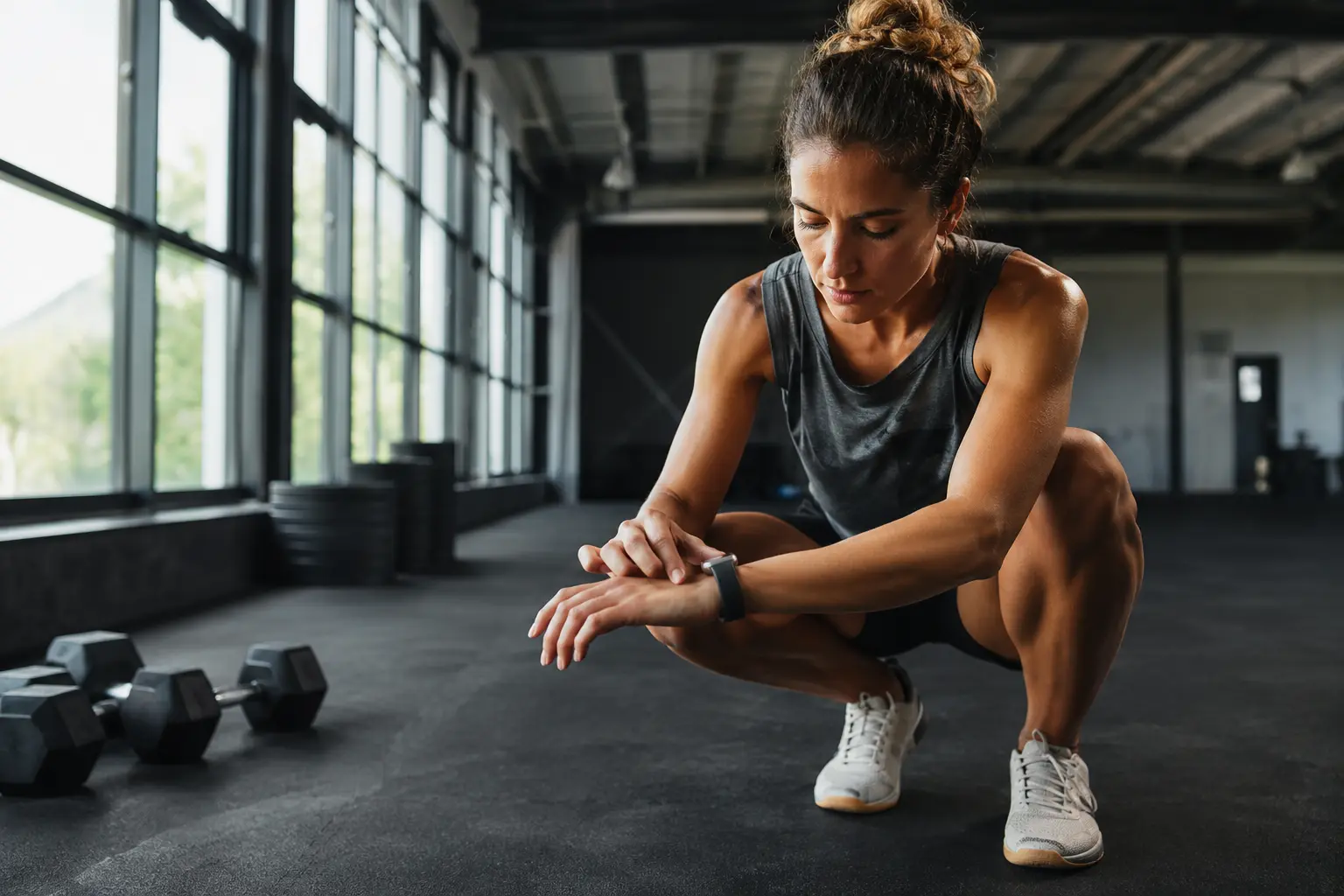
You’re scrolling through social media and seeing yet another miracle workout promise, another supplement that claims to turn back the clock, and you’re exhausted just trying to figure out what actually works for your body right now, so here are the newest fitness trends explained with real science behind them, not marketing hype.
Importance of evidence-based fitness trends
The fitness industry thrives on flashy promises and before-and-after photos that seem almost too good to be true. For seniors navigating this landscape, distinguishing between genuine breakthroughs and clever marketing becomes essential. Evidence-based fitness trends are grounded in peer-reviewed research, clinical trials, and long-term studies that track real outcomes in aging populations. When you choose approaches backed by science, you’re not gambling with your time or risking injury on untested methods. Consider the difference between a trend that sounds exciting and one that has been studied across thousands of participants over years. Research shows that seniors who follow evidence-based programs experience measurable improvements in strength, balance, and quality of life. These aren’t quick fixes promising results in weeks, but sustainable approaches that respect how your body actually changes with age and what it genuinely needs to thrive.
Functional training for seniors
Functional training might sound like jargon, but it’s actually quite straightforward. It focuses on exercises that mirror movements you perform daily: bending to pick up groceries, reaching for items on shelves, standing up from a chair, or walking up stairs. Rather than isolating single muscles on machines, functional training engages multiple muscle groups working together, which is how your body operates in real life. For a senior who wants to maintain independence, this approach is transformative. A study published in the Journal of Aging and Physical Activity found that seniors who engaged in functional training for twelve weeks showed significant improvements in balance and reduced fall risk. Imagine being able to confidently carry laundry upstairs, play with grandchildren, or garden without worrying about losing your footing. Functional training builds the exact strength patterns your body needs for daily living, making activities feel easier and safer.
Benefits of high-intensity interval training (HIIT)
High-intensity interval training sounds intimidating, but it simply means alternating between short bursts of more vigorous effort and recovery periods. For seniors, this doesn’t mean sprinting or extreme exertion. Instead, it might mean walking briskly for thirty seconds followed by a slower pace for ninety seconds, repeated several times. Research from the American College of Sports Medicine demonstrates that HIIT improves cardiovascular function, increases metabolic rate, and preserves muscle mass more effectively than steady-state exercise alone. A seventy-year-old who incorporates HIIT twice weekly might notice improved energy levels, better blood pressure readings, and increased endurance for activities they enjoy. The beauty of HIIT is efficiency: you achieve significant cardiovascular benefits in shorter workout sessions, which fits realistically into busy schedules. Studies show seniors who practice HIIT report feeling stronger and more capable within four to six weeks, with improvements in heart health measurable through standard medical tests.
- Start with a proper warm-up to prevent injuries and prepare your cardiovascular system for increased demand.
- Gradually increase intensity over time by extending vigorous intervals or reducing recovery periods as your fitness improves.
- Listen to your body and modify exercises as needed, stopping if you experience pain or excessive shortness of breath.
- Stay consistent with your HIIT workouts, aiming for two to three sessions weekly with rest days between for proper recovery.
🔬 Science-backed benefits in 2 minuteschoose where to begin:
The role of Pilates and yoga for senior fitness
Pilates and yoga approach fitness through controlled, deliberate movement rather than speed or intensity. Pilates emphasizes core strength, which is your body’s foundation for stability and posture. Yoga combines stretching, balance work, and breathing techniques that calm your nervous system. Both practices are low-impact, meaning they’re gentle on joints while building functional strength. A seventy-five-year-old who practices Pilates twice weekly might notice improved posture, reduced back pain, and better balance when standing on one leg. Yoga practitioners often report feeling more flexible, sleeping better, and experiencing less anxiety. Research in the International Journal of Yoga found that seniors who practiced yoga for eight weeks showed measurable improvements in flexibility, balance, and psychological well-being. These practices don’t require expensive equipment or intense effort, making them accessible regardless of current fitness level. Many seniors find that the meditative aspects of these practices provide mental clarity alongside physical benefits.
Mind-body connection through Tai Chi
Tai Chi is an ancient Chinese practice that combines slow, flowing movements with deep breathing and mental focus. Often described as meditation in motion, it engages your entire body while keeping your mind present and calm. For seniors, Tai Chi offers unique benefits that address both physical and cognitive health. The slow, controlled movements improve balance and proprioception, your body’s awareness of itself in space, which directly reduces fall risk. A study in the New England Journal of Medicine found that seniors who practiced Tai Chi for sixteen weeks experienced a forty-seven percent reduction in falls compared to control groups. Beyond physical benefits, the mindfulness component reduces stress and anxiety, improves sleep quality, and may enhance cognitive function. An eighty-year-old practicing Tai Chi three times weekly might notice improved confidence when walking, better sleep, and a greater sense of calm and mental clarity. The practice requires no special equipment and can be done indoors or outdoors, making it adaptable to any living situation.
Staying healthy through diet and exercise
Fitness and nutrition work together as partners in maintaining senior health. Exercise builds strength and cardiovascular capacity, while nutrition provides the fuel and building blocks your body needs to recover and thrive. A balanced diet rich in colorful fruits and vegetables, lean proteins like fish and poultry, whole grains, and healthy fats supports muscle maintenance, bone health, and brain function. Consider a typical day: a breakfast of oatmeal with berries and nuts provides sustained energy and antioxidants, lunch with grilled salmon and roasted vegetables delivers protein and omega-three fatty acids, and a dinner of lean turkey with quinoa and broccoli supports muscle repair after exercise. Research shows that seniors who combine regular physical activity with a Mediterranean-style diet experience better cognitive function, stronger bones, and improved cardiovascular health. Before starting any new fitness program, consulting with your healthcare provider ensures the approach matches your individual health status, medications, and any existing conditions. This personalized guidance transforms generic advice into a plan tailored specifically to you.
Evidence-based fitness trends like functional training, HIIT, Pilates, yoga, and Tai Chi each offer distinct benefits grounded in scientific research. Combined with proper nutrition and personalized medical guidance, these approaches help seniors maintain independence, improve physical capability, and enhance overall quality of life.
What are the best fitness trends for seniors?
Functional training, HIIT, Pilates, yoga, and Tai Chi are among the top fitness trends recommended for seniors based on their effectiveness and safety. Each addresses different aspects of fitness: functional training builds practical strength, HIIT improves cardiovascular health, Pilates and yoga enhance flexibility and core strength, and Tai Chi develops balance and mental clarity. The best choice depends on your current fitness level, health status, and personal preferences.
How can seniors ensure they choose the right fitness program?
Seniors should consult with a healthcare provider before starting any new fitness program to ensure it is safe and suitable for their individual needs. Consider your current activity level, any joint concerns or health conditions, and what activities you actually enjoy doing. Starting slowly and gradually increasing intensity reduces injury risk. Many communities offer senior-specific fitness classes where instructors understand age-related needs and can provide modifications.
Others also read:
Disclaimer: This article is for informational purposes only and is not a substitute for professional medical advice. Always consult a healthcare professional for personal guidance.
This article has been prepared and reviewed by the GlobalHealthBeacon editorial team and is based on current medical research and published scientific literature available in 2026. It provides structured, evidence-based information to support informed health decisions.
