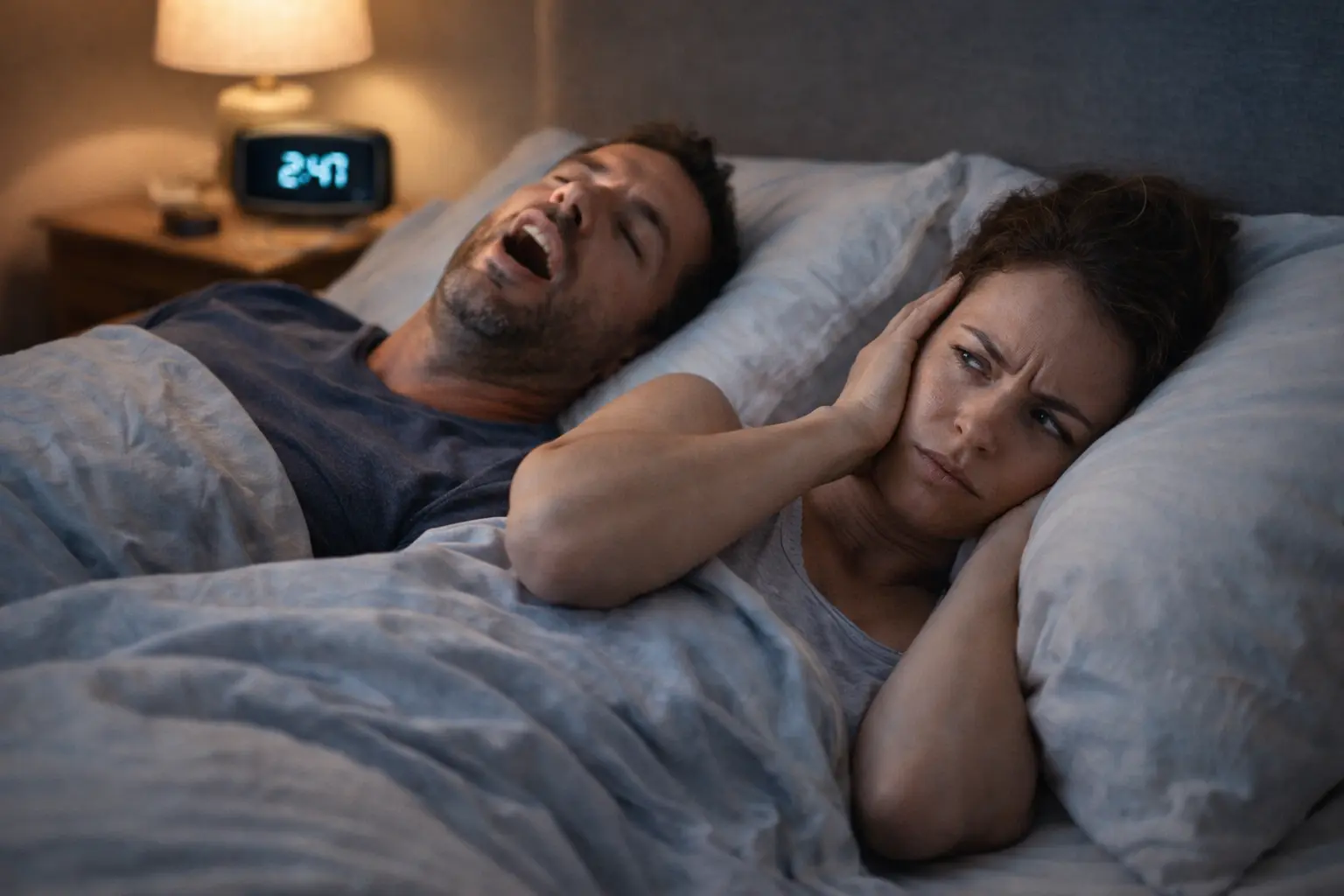
Waking up gasping for air, feeling like you haven’t slept in days despite being in bed for eight hours, and struggling to stay awake in meetings because of obstructive sleep apnea symptoms is more common in young adults than you’d think, and it’s time to understand what’s actually happening.
Recognizing the symptoms
Identifying obstructive sleep apnea symptoms early can be the difference between catching this condition quickly and letting it silently damage your health for years. The most obvious sign is loud snoring that disrupts your sleep or your partner’s, but many young adults miss the quieter indicators. You might wake up gasping for air without fully remembering it, or experience a sensation of choking that jolts you awake in the middle of the night. During the day, excessive daytime sleepiness hits differently when it’s caused by sleep apnea. You’re not just tired, you’re fighting to keep your eyes open during important moments. Morning headaches that feel like a dull pressure behind your eyes are another red flag, often caused by oxygen deprivation during sleep. Pay attention to brain fog that makes concentration feel impossible, irritability that seems out of proportion to your circumstances, and mood swings that confuse both you and the people around you. Some young adults report waking with a dry mouth or sore throat, which happens because breathing through the mouth becomes the default when airways collapse.
- Frequent pauses in breathing during sleep that may last 10 to 30 seconds or longer
- Difficulty concentrating or focusing during the day, especially in afternoon hours
- Irritability and mood swings that worsen when sleep quality deteriorates
Risk factors and diagnosis
Understanding your risk factors helps you take obstructive sleep apnea seriously before symptoms become severe. Excess weight is the most common culprit in young adults, as extra tissue around the neck narrows the airway, but this condition affects lean individuals too, so don’t assume you’re safe just because you exercise. Anatomical factors like a naturally narrow throat, a deviated septum, or enlarged tonsils can predispose you to sleep apnea regardless of your fitness level. Smoking damages the tissues in your airway and increases inflammation, making collapse more likely. Family history matters more than many realize, suggesting a genetic component to airway structure. Alcohol and sedatives relax throat muscles, worsening apnea episodes, so what you consume before bed directly impacts your breathing at night. Getting a proper diagnosis requires a sleep study, which can be done at a sleep clinic or increasingly through home-based testing kits. During a sleep study, technicians monitor your breathing patterns, oxygen levels, and sleep stages to count how many apnea events you experience per hour. This measurement, called the Apnea-Hypopnea Index or AHI, determines severity and guides treatment decisions. Don’t delay seeking diagnosis if you suspect sleep apnea, as untreated cases increase your risk of heart problems, stroke, and high blood pressure.
📘 Fix your day in under 2 minuteschoose where to begin:
Treatment options
Treatment for obstructive sleep apnea isn’t one-size-fits-all, and working with a sleep specialist helps you find what actually works for your life. Continuous positive airway pressure therapy, or CPAP, remains the gold standard treatment. A CPAP machine delivers pressurized air through a mask worn during sleep, keeping your airway open throughout the night. The adjustment period takes time, as many young adults struggle with mask comfort or claustrophobia initially, but modern masks come in various styles and sizes, and persistence pays off. Oral appliances offer an alternative for mild to moderate apnea, repositioning your lower jaw forward to prevent airway collapse. These feel less intrusive than CPAP and work well for travel, though they require regular dental adjustments. Lifestyle modifications like losing 10 percent of your body weight can significantly reduce apnea severity, sometimes eliminating mild cases entirely. Positional therapy, which involves training yourself to sleep on your side instead of your back, helps some people. In severe cases where conservative treatments fail, surgical options like uvulopalatopharyngoplasty or hypoglossal nerve stimulation may be considered. The key is consistency, whether you choose CPAP, an oral device, or lifestyle changes. Missing nights of treatment allows your airway to collapse again, undoing progress and leaving you exhausted.
Lifestyle adjustments
Lifestyle changes form the foundation of managing obstructive sleep apnea, and many young adults find that combining multiple adjustments creates noticeable improvements. Maintaining a healthy weight reduces the tissue pressing on your airway, and even modest weight loss of 5 to 10 percent can meaningfully decrease apnea severity. Avoiding alcohol and sedatives before bedtime is crucial because these substances relax your throat muscles, making collapse more likely during sleep. If you drink, stop at least three hours before bed and avoid heavy consumption. Sleeping on your side instead of your back prevents gravity from collapsing your airway, and body pillows or positional devices can help train this habit. Nasal strips or saline rinses improve airflow if nasal congestion contributes to your apnea. Quitting smoking removes inflammation from your airways and improves tissue health over time. Keeping your bedroom cool, dark, and quiet supports better sleep quality overall. Elevating the head of your bed slightly can help some people breathe more easily. Consistency matters more than perfection, so focus on changes you can sustain long-term rather than attempting drastic overhauls that you’ll abandon within weeks.
Seeking support
Managing obstructive sleep apnea involves more than medical treatment, it involves emotional resilience and practical support from people who understand. Joining a sleep apnea support group, whether online or in-person, connects you with others navigating the same challenges. You’ll hear real stories about adjusting to CPAP, managing side effects, and celebrating small victories like sleeping through the night without gasping. Online communities offer 24/7 access when you’re frustrated at midnight or need encouragement to stick with treatment. Speaking with a therapist or counselor helps address the anxiety and depression that sometimes accompany sleep disorders, especially when diagnosis feels overwhelming. Your partner or family members benefit from understanding what sleep apnea is and how it affects you, reducing frustration when you’re exhausted or irritable. Educational resources from reputable organizations like the American Academy of Sleep Medicine provide evidence-based information. Don’t isolate yourself or assume you’re the only young adult dealing with this, because sleep apnea is far more common than most people realize, and seeking help is a sign of strength, not weakness.
Recognizing obstructive sleep apnea symptoms, understanding the risks, and exploring effective treatments are key steps in managing this condition. Lifestyle adjustments, seeking a diagnosis, and finding support can greatly improve your quality of life.
Can obstructive sleep apnea in young adults be cured?
While obstructive sleep apnea cannot be permanently cured, it can be effectively managed with the right treatment strategies, lifestyle changes, and continuous monitoring by healthcare professionals. Some young adults experience significant improvement or even resolution of symptoms through weight loss and positional therapy, while others require ongoing CPAP or oral appliance use. The goal is achieving consistent, restorative sleep and preventing complications.
Are there natural remedies for obstructive sleep apnea symptoms?
Lifestyle modifications like weight loss, positional therapy, avoiding alcohol before bed, and quitting smoking can help improve symptoms, especially in mild cases. However, for moderate to severe obstructive sleep apnea, medical interventions such as CPAP therapy or oral appliances are typically necessary to prevent serious health complications. Natural remedies work best as complementary strategies alongside professional treatment, not as replacements.
Disclaimer: This article is for informational purposes only and is not a substitute for professional medical advice. Always consult a healthcare professional for personal guidance.
This guide has been prepared and reviewed by the GlobalHealthBeacon editorial team and reflects current medical research as of 2026. It provides structured, evidence-based information to support informed health decisions.
