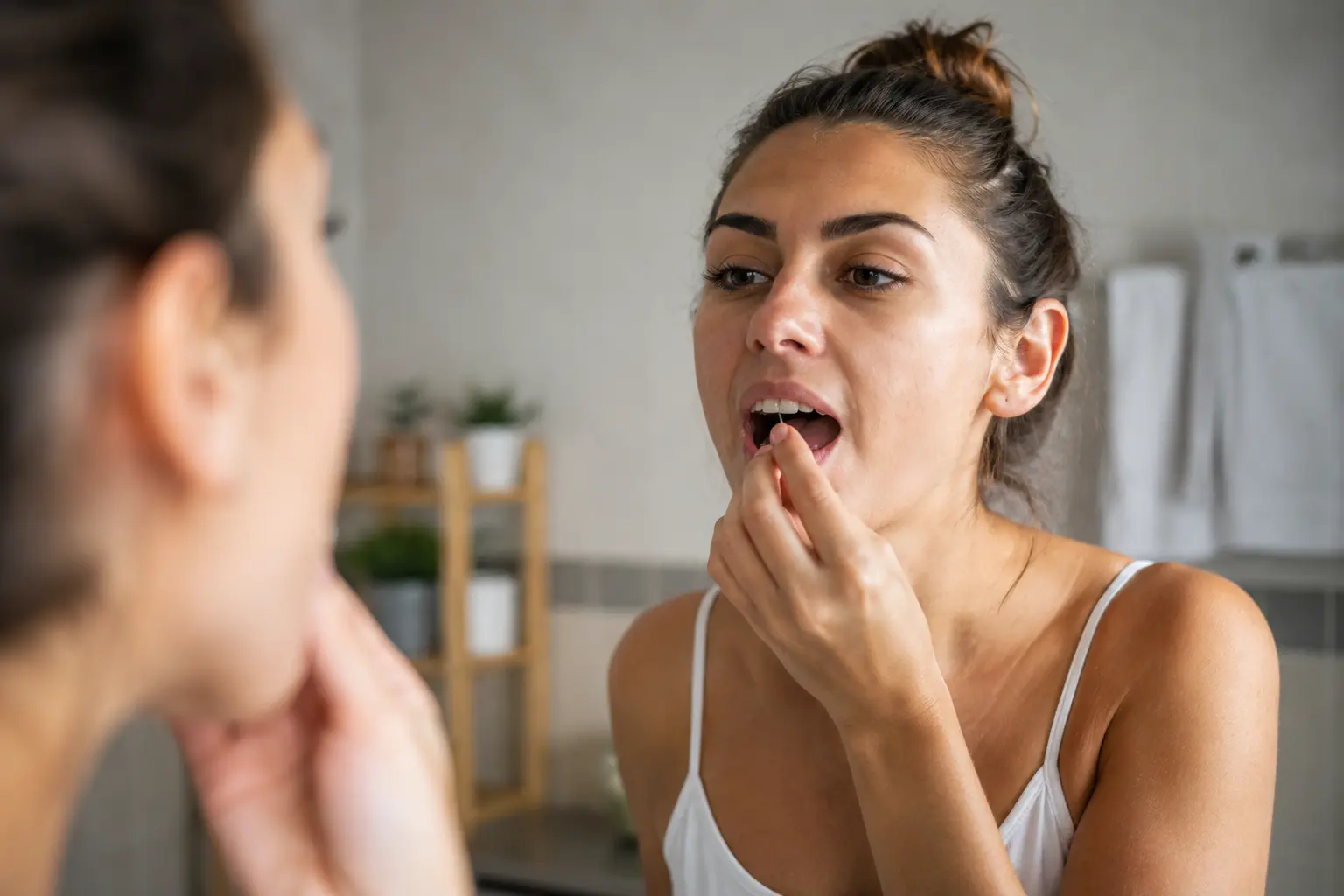
Your mouth feels off, your breath isn’t what it used to be, and you’re wondering if something deeper is going on with your teeth and gums – that’s your oral microbiome health trying to tell you something, and the good news is you can fix it.
Understanding oral microbiome health
Your mouth is home to billions of microorganisms – bacteria, fungi, and viruses that form what scientists call your oral microbiome. Think of it like a tiny ecosystem that needs balance to thrive. When you’re younger, this balance often takes care of itself, but as you age, things shift. Your saliva production decreases, your immune response changes, and the delicate bacterial community in your mouth becomes more vulnerable to disruption. A healthy oral microbiome means the beneficial bacteria outnumber the harmful ones, keeping your teeth strong, your gums pink and firm, and your breath fresh. Without this balance, you’re at risk for cavities, gum disease, and infections that can affect your overall health. The key is understanding that you’re not fighting bacteria – you’re managing an ecosystem. Some bacteria are your allies, protecting your teeth from decay and your gums from infection. Your job is to create conditions where the good guys win.
- Brush your teeth twice a day with fluoride toothpaste to remove plaque and prevent bacteria overgrowth.
- Floss daily to clean between teeth where a toothbrush can’t reach, reducing the risk of gum disease and cavities.
- Use alcohol-free mouthwash to help kill bacteria and refresh your breath without disrupting the oral microbiome balance.
The role of diet in oral microbiome health
What you eat directly shapes which bacteria thrive in your mouth. Sugary snacks and acidic drinks feed harmful bacteria, creating an environment where decay flourishes. Imagine your mouth after a soda – the acid drops your pH level, and cavity-causing bacteria celebrate. But you can flip this script. Probiotic-rich foods like yogurt, kefir, and fermented vegetables introduce beneficial bacteria that strengthen your oral microbiome. Crunchy foods like apples, carrots, and celery act as natural toothbrushes, stimulating saliva and removing debris. Calcium-rich foods support tooth structure, while foods high in vitamin C boost gum health. For seniors especially, soft foods that are still nutrient-dense matter – think steamed broccoli, soft cheeses, and smoothies with live cultures. Avoid prolonged snacking throughout the day, which keeps your mouth in an acidic state. Instead, eat meals at set times and let your saliva neutralize acids between meals. This simple dietary shift can dramatically improve your oral microbiome balance.
📘 Fix your day in under 2 minuteschoose where to begin:
Maintaining oral hygiene habits
Consistency beats intensity when it comes to oral hygiene. Brushing aggressively or flossing sporadically won’t help – your microbiome needs steady, gentle care. Establish a routine you’ll actually stick with: brush in the morning and before bed, floss once daily, and rinse with water after meals. For seniors with arthritis or limited dexterity, an electric toothbrush can be easier to handle and more effective at removing plaque. Regular dental visits every six months let your dentist catch problems early – gum inflammation, early decay, or signs of oral thrush that might indicate microbiome imbalance. Your dentist can also spot issues you can’t see, like pockets between teeth and gums where harmful bacteria hide. If you wear dentures, clean them daily and remove them at night to let your tissues breathe. This prevents fungal overgrowth and keeps your remaining natural teeth healthy. Think of dental visits as check-ins for your oral ecosystem, not just cleanings.
Natural remedies for oral microbiome health
Before turning to harsh chemicals, consider gentler approaches that support your microbiome rather than nuke it. Oil pulling with coconut oil is an ancient practice that many seniors find soothing – swish a tablespoon of coconut oil in your mouth for ten to fifteen minutes, then spit it out. While research is still emerging, many people report fresher breath and healthier gums. Aloe vera mouthwash soothes inflamed tissues and has mild antimicrobial properties without the alcohol that can dry out your mouth and disrupt beneficial bacteria. Salt water rinses are simple and effective for sore gums – dissolve half a teaspoon in warm water and rinse gently. Green tea contains compounds that support oral health, so sipping it throughout the day adds another layer of protection. Turmeric has anti-inflammatory properties that can ease gum tenderness. The advantage of these approaches is they work with your body’s natural defenses rather than against them, maintaining the delicate balance your microbiome needs to function.
The importance of hydration for oral health
Saliva is your mouth’s superhero, and it needs water to do its job. Saliva neutralizes acids, washes away food particles, and contains compounds that fight harmful bacteria. As you age, your body’s thirst mechanism weakens, so you might not drink enough water even when you need it. Dehydration shrinks your saliva production, creating a dry mouth that’s a breeding ground for infections and decay. Aim for eight glasses of water daily, more if you’re active or live in a dry climate. Sip water throughout the day rather than drinking large amounts at once – this keeps your mouth consistently moist. Avoid excessive caffeine and alcohol, which are diuretics that pull water from your system. If you take medications that cause dry mouth, talk to your doctor about alternatives or ask about saliva substitutes. Chewing sugar-free gum or sucking on sugar-free lozenges stimulates saliva production and freshens your breath. Pay attention to your mouth’s signals – if it feels dry or sticky, that’s your cue to drink more water and support your oral microbiome.
Your oral microbiome health depends on consistent daily habits, smart food choices, regular dental care, and staying hydrated. These aren’t complicated steps – they’re simple practices that add up over time to create a healthier mouth and stronger overall health.
Can poor oral hygiene impact the oral microbiome?
Yes, poor oral hygiene can lead to an imbalance in the oral microbiome, increasing the risk of dental issues such as cavities, gum disease, and bad breath.
How often should I visit the dentist for oral microbiome health?
It’s recommended to visit the dentist at least twice a year for regular check-ups and cleanings to ensure your oral microbiome is in good balance.
Others also read:
Disclaimer: This article is for informational purposes only and is not a substitute for professional medical advice. Always consult a healthcare professional for personal guidance.
This guide has been prepared and reviewed by the GlobalHealthBeacon editorial team and reflects current medical research as of 2026. It provides structured, evidence-based information to support informed health decisions.
