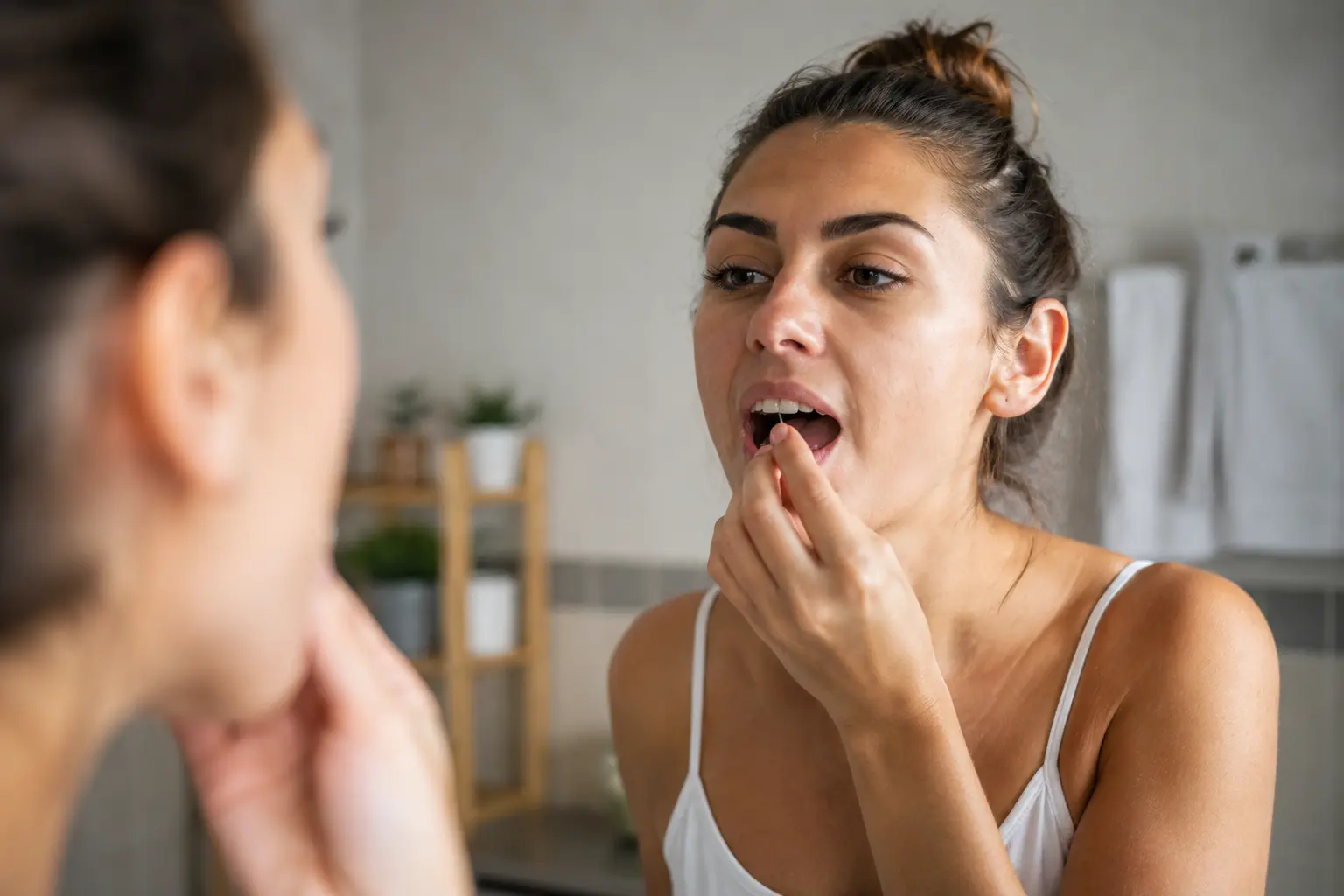
You brush twice a day, floss religiously, yet your gums still bleed and your breath feels off – that nagging feeling that something’s not quite right is your body telling you that oral microbiome health matters way more than most people realize.
The role of oral microbiome in health
Your mouth isn’t just a cavity waiting to happen. It’s an entire ecosystem hosting hundreds of bacterial species that work together like a microscopic neighborhood. When this community stays balanced, these bacteria actually protect you by crowding out the harmful ones and maintaining a stable pH. Think of it like a healthy forest where native plants prevent invasive species from taking over. But when that balance tips, harmful bacteria like Streptococcus mutans multiply unchecked, producing acids that erode tooth enamel and triggering inflammation in your gums. This disruption doesn’t just cause cavities and gum disease either. A dysbiotic oral microbiome can lead to persistent bad breath, increased plaque buildup, and even tooth loss over time. Young adults often assume their youth protects them, but the habits you build now directly shape whether your oral microbiome stays resilient or becomes vulnerable to disease.
Factors influencing oral microbiome
Your oral microbiome isn’t fixed. It’s constantly responding to what you eat, how you clean your teeth, and even your stress levels. Diet is perhaps the most obvious factor. When you consume sugary drinks or snack frequently, you’re essentially feeding the bacteria that damage your teeth. A young adult who sips energy drinks throughout the day creates a completely different oral environment than someone who drinks water. Oral hygiene habits matter too, but not in the way you might think. Aggressive brushing can actually damage your gum tissue and disrupt beneficial bacteria, while inconsistent flossing allows plaque to calcify between teeth. Your genetics play a role as well, determining your natural saliva composition and immune response. Medications, hormonal changes, smoking, and even sleep quality influence bacterial composition. Someone taking antibiotics for an unrelated infection might experience temporary oral dysbiosis. These factors interact in complex ways, which is why two people following identical routines can have very different oral microbiomes.
Maintaining a healthy oral microbiome
Building a resilient oral microbiome requires moving beyond basic dental habits. Start with brushing technique rather than just frequency. Use a soft-bristled brush at a 45-degree angle, spending two minutes gently cleaning all surfaces without aggressive scrubbing. Flossing matters more than most young adults realize, but it needs to be daily and thorough, reaching below the gumline where most harmful bacteria hide. Beyond mechanical cleaning, your diet directly shapes bacterial populations. Limiting sugary foods and acidic drinks reduces the fuel that harmful bacteria need to thrive. Water is your best friend here, as it helps wash away food particles and maintains saliva flow. Regular dental visits every six months allow professionals to catch dysbiosis early through signs like inflammation or bleeding. Consider that your oral microbiome responds to your overall health too. Managing stress, getting adequate sleep, and maintaining good nutrition all support a balanced bacterial community. Some young adults find that reducing processed foods and increasing fiber intake noticeably improves their oral health within weeks.
- Brush gently with a soft-bristled brush at a 45-degree angle for two minutes
- Floss daily, reaching below the gumline where bacteria accumulate
- Limit sugary foods, acidic drinks, and frequent snacking throughout the day
- Drink water regularly to support saliva flow and natural cleansing
- Visit your dentist every six months for professional assessment and cleaning
🔬 Science-backed benefits in 2 minuteschoose where to begin:
Impact of oral microbiome on systemic health
The connection between your mouth and the rest of your body isn’t just folklore. A dysbiotic oral microbiome can trigger a cascade of systemic effects. When gum disease develops, pathogenic bacteria and their toxins can enter the bloodstream through inflamed tissue, triggering chronic inflammation throughout your body. Research has documented links between poor oral microbiome health and cardiovascular disease, where oral bacteria have been found in arterial plaques. Diabetics face a bidirectional relationship: high blood sugar promotes oral dysbiosis, while oral inflammation worsens blood sugar control. Respiratory infections become more likely when pathogenic oral bacteria are aspirated into the lungs, particularly concerning for young adults with compromised immunity. Even pregnancy outcomes can be affected, as oral infections increase inflammation markers that impact fetal development. A young adult with untreated gum disease might not realize they’re increasing their risk for serious systemic conditions decades down the line. The good news is that maintaining oral microbiome health is one of the most accessible ways to support your entire body’s health trajectory.
Future directions in oral microbiome research
Scientists are moving beyond simply identifying which bacteria live in your mouth to understanding how specific microbial communities function. Emerging research explores personalized oral microbiome profiles, where your unique bacterial composition could guide customized prevention strategies. Researchers are investigating probiotic interventions, testing whether introducing beneficial bacteria can restore balance in dysbiotic mouths. Gene sequencing technology is becoming cheaper and more accessible, making it possible to map your oral microbiome in detail. Some studies examine how specific dietary compounds or plant-based antimicrobials can selectively inhibit harmful bacteria while preserving beneficial species. Nanotechnology shows promise for targeted delivery of therapeutic agents directly to problem areas. Young adults entering healthcare fields should know that oral microbiome science is rapidly evolving, with new discoveries emerging regularly. Staying informed about legitimate research helps you distinguish between evidence-based recommendations and marketing hype. Following reputable sources like peer-reviewed journals and professional dental organizations ensures you’re building habits on solid science rather than trends.
Importance of consulting healthcare professionals
The internet overflows with oral health advice, much of it contradictory or oversimplified. A dentist or periodontist can assess your individual oral microbiome status through clinical examination and, if needed, advanced testing. They understand how your specific health history, medications, and genetics influence your oral ecosystem in ways that generic advice cannot address. Young adults sometimes dismiss dental visits as unnecessary if they have no obvious problems, but early detection of dysbiosis prevents serious issues later. Your dentist can identify subtle signs like gum recession, bleeding patterns, or persistent inflammation that signal microbiome imbalance. They can also rule out systemic conditions that manifest in your mouth, like diabetes or autoimmune diseases. When seeking information online, prioritize sources from dental schools, professional organizations, and peer-reviewed research over influencer recommendations or product marketing. A healthcare professional can help you interpret new research findings and determine whether they apply to your situation. Building a relationship with a trusted dentist creates accountability and ensures your oral microbiome strategy is grounded in personalized, professional guidance rather than guesswork.
Your oral microbiome is a living ecosystem that directly influences both your mouth and your entire body’s health. Understanding how diet, hygiene, genetics, and lifestyle factors shape your bacterial community empowers you to make informed choices that support long-term wellness. The habits you build as a young adult create patterns that persist for decades, making this the ideal time to establish practices that keep your oral microbiome resilient. By staying informed about legitimate research, consulting healthcare professionals, and adopting evidence-based strategies, you’re investing in a foundation of health that extends far beyond your teeth.
How can diet affect the oral microbiome?
Diet fundamentally shapes which bacteria thrive in your mouth. Sugary foods and drinks feed harmful bacteria like Streptococcus mutans, which produce acids that damage tooth enamel and trigger inflammation. Acidic beverages lower your mouth’s pH, creating an environment where disease-causing bacteria flourish while beneficial species struggle. Frequent snacking keeps your mouth in a constant state of acid production, preventing your saliva from naturally neutralizing damage. Conversely, a diet rich in fiber, whole foods, and water supports beneficial bacteria and gives your saliva the minerals it needs to protect your teeth. Young adults who switch from regular soda to water often notice improved gum health within weeks.
What impact does the oral microbiome have on systemic health?
Research has documented that oral dysbiosis triggers systemic inflammation that reaches far beyond your mouth. Pathogenic oral bacteria can enter your bloodstream through inflamed gum tissue, contributing to cardiovascular disease, where these bacteria have been found in arterial plaques. Diabetics experience a bidirectional relationship where high blood sugar promotes oral dysbiosis, while oral inflammation worsens blood sugar control. Respiratory infections become more likely when pathogenic oral bacteria are aspirated into your lungs. Pregnant individuals with untreated gum disease face increased risks of complications due to inflammation markers affecting fetal development. This connection means that maintaining a healthy oral microbiome is actually preventive medicine for your entire body.
Others also read:
Disclaimer: This article is for informational purposes only and is not a substitute for professional medical advice. Always consult a healthcare professional for personal guidance.
This article has been prepared and reviewed by the GlobalHealthBeacon editorial team and is based on current medical research and published scientific literature available in 2026. It provides structured, evidence-based information to support informed health decisions.
