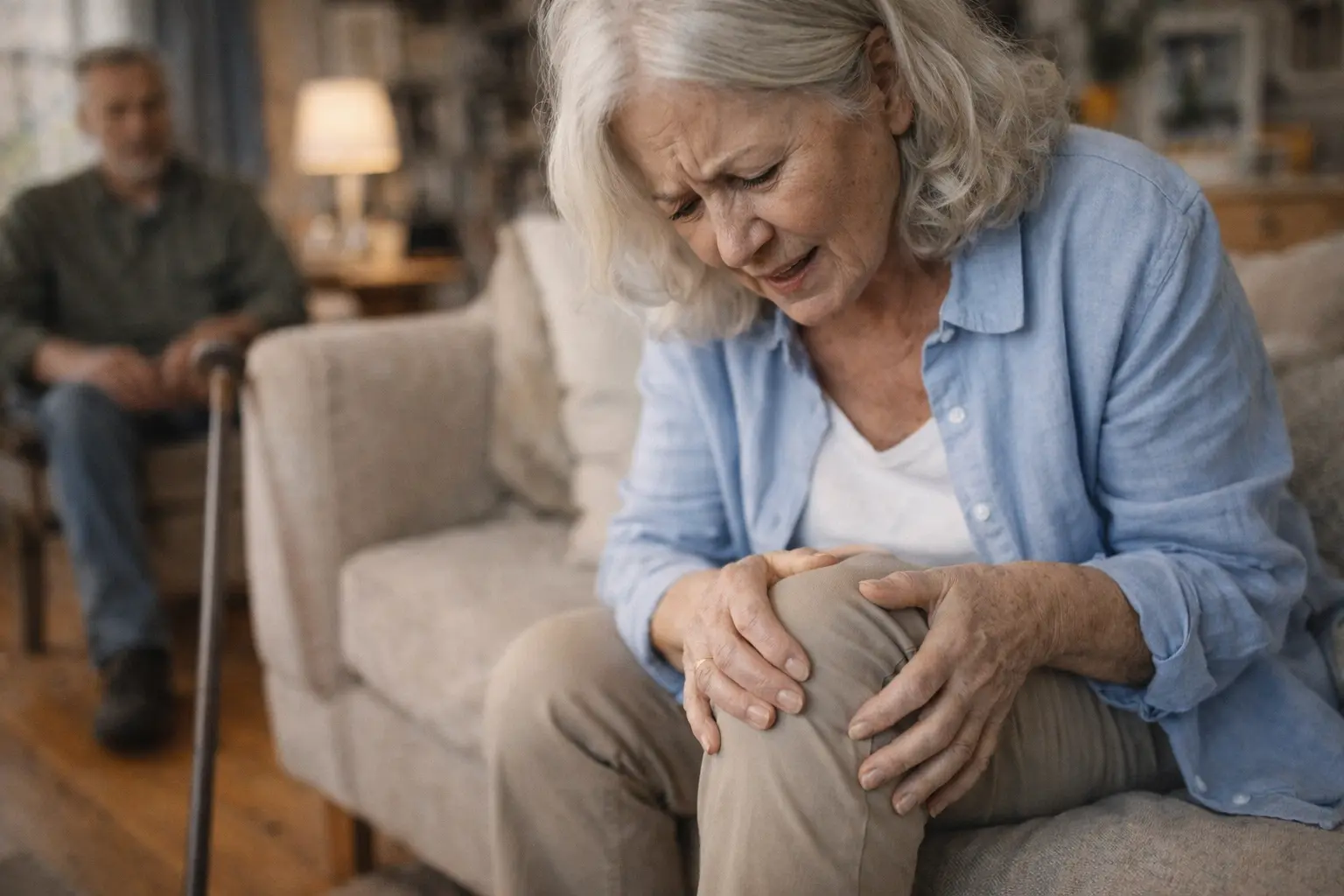
Your hands hurt when you grip your coffee mug, your knees stiffen after sitting, and climbing stairs feels like a negotiation with your own body, but osteoarthritis symptoms explained simply means understanding what’s happening so you can actually do something about it.
Understanding osteoarthritis symptoms
Osteoarthritis creeps up differently for each woman. You might notice your fingers feel stiff when you wake up, or your knees ache after a day of standing. The condition happens when the protective cartilage in your joints gradually wears down, leaving bone rubbing against bone. This isn’t something that happens overnight. For many women, it develops over years, sometimes triggered by previous injuries, repetitive movements at work, or simply the natural aging process. Common signs include sharp pain during movement, a grinding or clicking sensation when you bend a joint, and swelling that makes your rings feel tight or your knees puffy by evening. Some women describe a dull ache that worsens with activity and improves with rest, while others experience stiffness that’s worst in the morning and gradually loosens as they move throughout the day. Recognizing these patterns early gives you the power to intervene before the condition limits your daily activities.
- Pain during or after movement
- Stiffness after periods of rest
- Grating sensations when moving the joint
Managing joint pain naturally
Natural pain management starts with movement, but the right kind. Swimming is ideal because the water supports your body weight while you strengthen the muscles around your joints. Imagine gliding through a pool without the impact of walking on concrete. Yoga offers similar benefits, allowing you to gently stretch and strengthen at your own pace. Walking works too, especially on softer surfaces like tracks or grass rather than pavement. Beyond exercise, your weight matters significantly. Extra pounds add stress to weight-bearing joints like your knees and hips. Even losing five to ten pounds can reduce pain noticeably. Heat therapy is underrated but powerful: a warm bath before exercise loosens stiffness, while ice after activity reduces inflammation. Many women find that applying heat for fifteen minutes before moving around makes the difference between a painful day and a manageable one. Anti-inflammatory foods like fatty fish, berries, and leafy greens support your body’s natural healing. Consistency matters more than intensity. Gentle daily movement beats sporadic intense workouts.
📘 Fix your day in under 2 minuteschoose where to begin:
Women-specific joint health tips
Women face unique joint health challenges, particularly around hormonal changes. Estrogen helps maintain cartilage health, so the hormonal shifts during perimenopause and menopause can accelerate joint deterioration. This is why many women notice joint pain worsening in their forties and fifties. Calcium and vitamin D aren’t optional extras; they’re foundational. Your bones need calcium to stay strong, and vitamin D helps your body absorb it. Aim for 1,000 to 1,200 milligrams of calcium daily through dairy, leafy greens, or supplements, plus 600 to 800 IU of vitamin D, more if you live in a northern climate with limited sunlight. Some women benefit from collagen supplements or bone broth, which provide building blocks for cartilage repair, though research is still emerging. Omega-3 fatty acids from fish or flaxseed reduce inflammation naturally. Consider your overall hormonal health too. Stress management through meditation, adequate sleep, and regular movement helps regulate cortisol, which influences inflammation throughout your body. A woman’s joint health is interconnected with her whole system.
Lifestyle adjustments for joint pain relief
Your environment either works for you or against you. At work, adjust your desk height so your elbows bend at ninety degrees and your wrists stay neutral while typing. At home, place frequently used items at waist height to avoid reaching overhead or bending repeatedly. A simple step stool prevents excessive knee bending when accessing lower cabinets. In the kitchen, use jar openers and ergonomic utensils to reduce hand strain. Wear supportive shoes with cushioning rather than flat soles or high heels that alter your gait and stress your joints. Consider a walking cane or trekking poles not as a sign of limitation but as a tool that reduces joint load by up to twenty percent. Relaxation techniques matter more than you might think. Chronic pain creates tension, which creates more pain. Deep breathing, progressive muscle relaxation, or gentle meditation breaks this cycle. Many women find that ten minutes of intentional breathing before bed improves both pain levels and sleep quality. Small adjustments compound into significant relief over weeks and months.
Seeking professional support
There’s a point where self-care reaches its limits, and that’s when professional guidance becomes essential. If your pain persists despite lifestyle changes, worsens over weeks, or starts affecting your sleep or mood, schedule an appointment with your doctor or a rheumatologist. They can confirm whether you have osteoarthritis through imaging and blood work, ruling out other conditions that mimic joint pain. Physical therapy is often transformative. A physical therapist designs exercises specific to your joints and limitations, teaching you proper form to prevent further damage. Some women benefit from anti-inflammatory medications, topical creams, or injections that reduce pain and improve mobility. Others find relief through acupuncture or other complementary approaches. Your healthcare provider can discuss all options without judgment. Don’t wait until pain controls your life. Early intervention prevents progression and maintains your independence longer. Think of professional support as an investment in your future mobility and quality of life.
Joint pain doesn’t have to define your daily experience. By understanding what osteoarthritis symptoms mean for your body, implementing natural management strategies like low-impact exercise and anti-inflammatory nutrition, and making practical lifestyle adjustments, you gain real control. Women’s hormonal health adds a unique dimension worth addressing through adequate calcium, vitamin D, and stress management. When self-care reaches its limits, professional support through physical therapy, medical evaluation, or other interventions ensures you’re not managing this alone. Start where you are, take one step at a time, and remember that small consistent actions create meaningful change.
Can osteoarthritis symptoms be reversed?
While osteoarthritis is a progressive condition, early intervention through lifestyle changes and proper medical care can help manage symptoms effectively and improve quality of life.
Are there specific exercises to avoid with osteoarthritis?
High-impact activities like running or jumping may exacerbate joint pain in individuals with osteoarthritis. Opt for low-impact exercises to maintain joint health and minimize discomfort.
Others also read:
Disclaimer: This article is for informational purposes only and is not a substitute for professional medical advice. Always consult a healthcare professional for personal guidance.
This guide has been prepared and reviewed by the GlobalHealthBeacon editorial team and reflects current medical research as of 2026. It provides structured, evidence-based information to support informed health decisions.
