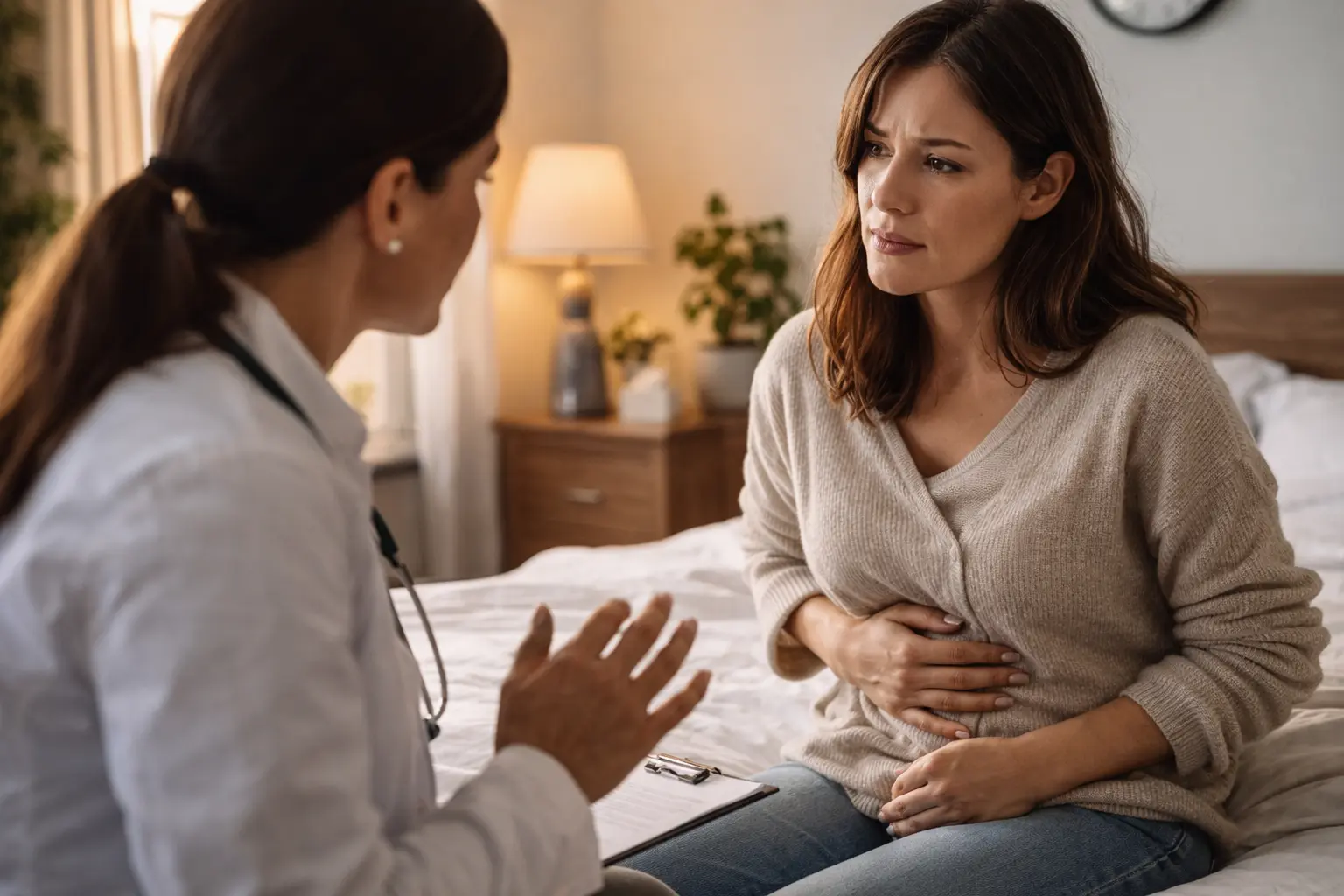
Your period is all over the place, your skin won’t clear up no matter what you try, and you’re gaining weight in places that make no sense – pcos symptoms explained is what you actually need right now, because something is clearly off and you deserve answers.
The telltale signs of PCOS
PCOS symptoms often start quietly, which is why so many young adults miss them at first. You might notice your period skipping months, then showing up twice in one month, leaving you confused about what normal even looks like. Acne clusters appear on your jawline and chin, stubbornly resisting every skincare routine you throw at it. Hair thins on your head while darker, coarser hair grows in unexpected places like your upper lip or chin. Weight creeps on, especially around your belly and lower abdomen, even when your eating habits haven’t changed. These signs rarely show up all at once. Instead, they arrive gradually, making it easy to dismiss them as stress or bad luck. But when you start connecting the dots, the pattern becomes clear. Irregular cycles lasting 35 days or longer, persistent acne that feels hormonal, unexplained hair loss, and stubborn weight gain all point toward the same culprit: hormonal imbalance.
- Irregular menstrual cycles lasting 35 days or longer
- Persistent acne on jawline, chin, and body
- Hair loss on scalp and unwanted hair growth elsewhere
- Weight gain concentrated around midsection and lower abdomen
Understanding the impact of PCOS symptoms
Living with PCOS symptoms goes beyond the physical. Imagine dealing with acne breakouts while your friends have clear skin, or struggling to fit into clothes that fit last season while watching your weight climb despite your efforts. The emotional weight is real and often overlooked. Many young adults with PCOS report feeling frustrated, isolated, or ashamed about their appearance and body changes. The unpredictability of your cycle adds another layer of stress, making it hard to plan activities or feel in control of your own body. Self-esteem takes a hit when you’re navigating these changes during years when appearance and peer acceptance feel especially important. Anxiety about fertility can emerge too, even if you’re not thinking about having children yet. The mental toll compounds when you don’t have a name for what’s happening or when people dismiss your concerns as vanity. Recognizing that PCOS affects your emotional health just as much as your physical health is the first step toward genuine support. Reaching out to healthcare providers, trusted friends, or counselors who understand PCOS can transform your experience from isolated struggle to informed management.
📘 Fix your day in under 2 minuteschoose where to begin:
Healthy lifestyle strategies for PCOS management
Lifestyle changes form the foundation of PCOS management and often make a noticeable difference within weeks. Start with nutrition by focusing on whole foods, lean proteins, healthy fats, and fiber-rich vegetables that stabilize blood sugar and reduce insulin resistance, a key factor in PCOS. Swap refined carbs for complex ones like oats and sweet potatoes. Regular movement matters too, but it doesn’t mean punishing gym sessions. Aim for 150 minutes of moderate activity weekly, whether that’s brisk walking, cycling, or dancing to music you love. Strength training twice weekly helps regulate hormones and build metabolism. Sleep quality directly impacts hormone balance, so prioritize seven to nine hours nightly and keep a consistent schedule. Stress management is equally critical because cortisol spikes worsen PCOS symptoms. Try meditation, journaling, yoga, or simply spending time in nature. Many young adults find that combining these strategies creates momentum. For example, a 25-year-old might start meal prepping anti-inflammatory foods on Sundays, adding evening walks three times weekly, and using a meditation app before bed. Within two months, irregular cycles often become more predictable and acne may improve. These changes work because they address the root cause: insulin resistance and hormonal imbalance.
Medical interventions for PCOS treatment
When lifestyle changes alone aren’t enough, medical treatments offer targeted relief. Birth control pills regulate your cycle and reduce androgen levels, which calms acne and slows unwanted hair growth. Many young adults find this stabilizing effect life-changing. Metformin, a diabetes medication, improves insulin sensitivity and can promote weight loss and cycle regularity. Spironolactone blocks androgen effects, specifically helping with acne and hair loss. Anti-androgen medications target the root hormonal issue. For those concerned about fertility, medications like clomiphene can stimulate ovulation. Your healthcare provider will recommend based on your specific symptoms and goals. Someone struggling primarily with acne might start with birth control, while another person focused on weight management might try metformin first. The key is working with a doctor who listens to your priorities and monitors results. Many young adults benefit from combining medication with lifestyle changes, creating a comprehensive approach. Regular check-ins help adjust dosages or switch treatments if needed. It typically takes three to six months to see full effects, so patience is important.
Embracing self-care and empowerment
Self-care with PCOS isn’t about spa days or bubble baths, though those can help. It’s about deliberately choosing actions that make you feel capable and in control. Start by learning your body through tracking cycles, symptoms, and how different foods affect your energy and skin. This knowledge becomes power. Advocate for yourself in medical appointments by writing down questions beforehand and asking for explanations you understand. Join online communities or local support groups where others navigate PCOS, reducing the isolation many feel. Celebrate small wins like completing a workout, preparing a healthy meal, or having a regular period. These victories matter. Set realistic goals instead of chasing perfection. Maybe your goal is three workouts weekly, not seven. Maybe it’s reducing sugar gradually, not eliminating it completely. Build a network of people who support your health journey, whether that’s friends, family, or professionals. Practice self-compassion on difficult days when symptoms flare or motivation dips. PCOS is a long-term condition, not a personal failure. Engaging in activities you genuinely enjoy, whether that’s art, music, sports, or time with loved ones, reminds you that your worth extends far beyond your appearance or reproductive health. Empowerment comes from taking action, learning continuously, and treating yourself with the same kindness you’d offer a good friend facing the same struggle.
PCOS symptoms like irregular periods, acne, hair changes, and weight gain affect many young adults and deserve proper attention. Understanding these signs, making targeted lifestyle changes, considering medical treatments when needed, and prioritizing self-care creates a comprehensive approach to managing PCOS effectively and reclaiming control of your health.
Is PCOS a common condition among young adults?
Yes, PCOS is one of the most common hormonal disorders in young adults, affecting approximately one in ten women of reproductive age. Early recognition and management significantly improve outcomes and quality of life. Many young adults feel relieved simply knowing their symptoms have a name and that effective management strategies exist.
Can PCOS symptoms improve with lifestyle changes alone?
Lifestyle modifications like balanced nutrition, regular exercise, stress management, and adequate sleep can substantially improve PCOS symptoms for many people, including weight loss, cycle regularity, and clearer skin. However, some individuals require medical interventions like birth control or metformin to effectively address hormonal imbalances. Your healthcare provider can help determine the best approach for your specific situation and goals.
Disclaimer: This article is for informational purposes only and is not a substitute for professional medical advice. Always consult a healthcare professional for personal guidance.
This guide has been prepared and reviewed by the GlobalHealthBeacon editorial team and reflects current medical research as of 2026. It provides structured, evidence-based information to support informed health decisions.
