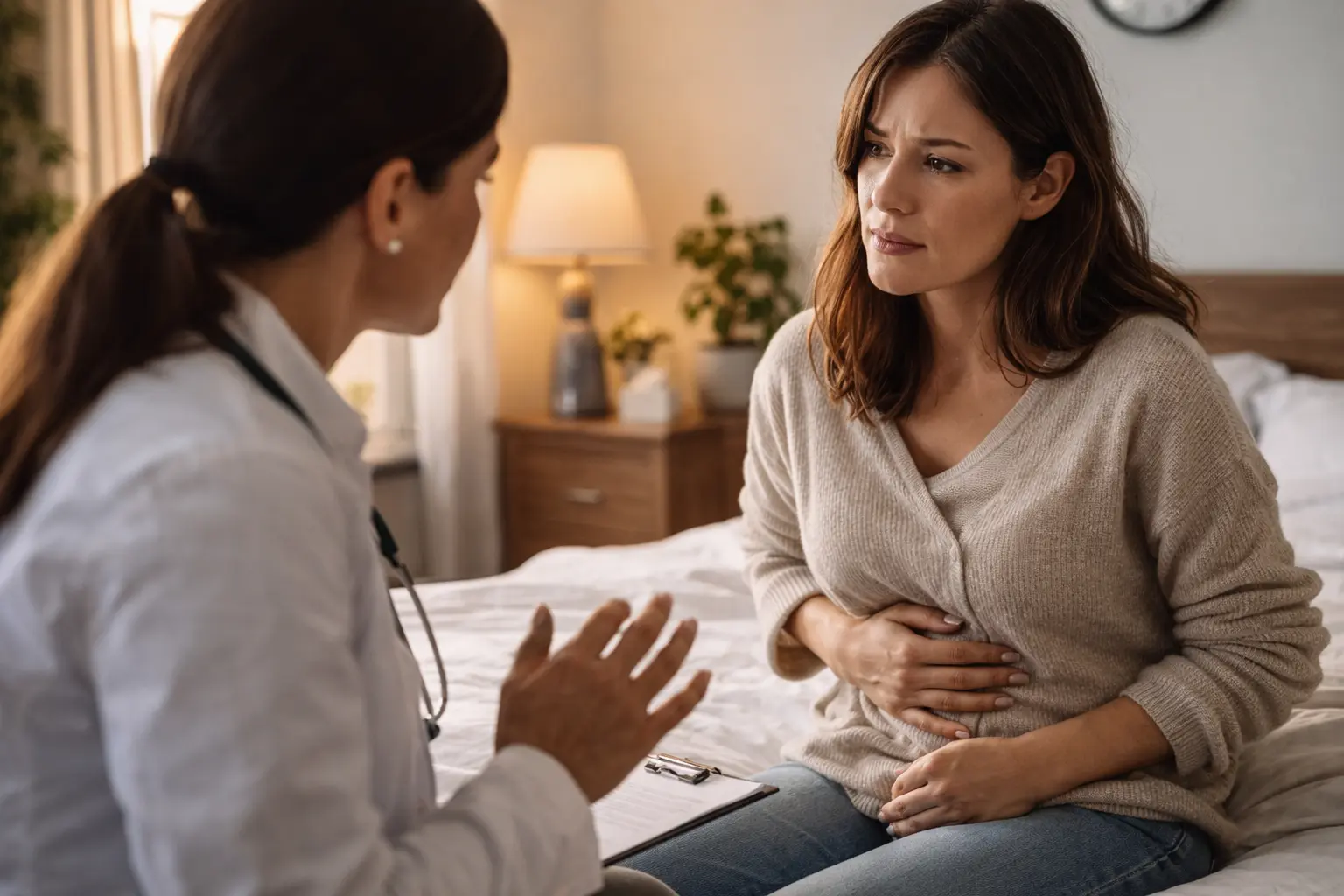
Your period arrives three weeks early, then vanishes for two months, and suddenly you’re scrambling to figure out what’s happening to your body while PCOS symptoms explained become the late-night Google rabbit hole you never wanted to fall down.
Irregular menstrual cycles
Picture this: you’re planning a weekend trip, and you have no idea if your period will show up. One month it arrives on day 21, the next month day 35, and sometimes you skip a cycle entirely. This unpredictability isn’t just inconvenient, it’s mentally exhausting. You start obsessively tracking patterns in apps, hoping to find some logic that simply doesn’t exist. The anxiety builds as you wonder if this month will be normal or if you’ll be caught off guard at work or during an important event. Many young adults describe this as a constant background hum of stress, affecting everything from workout planning to intimacy with partners. The emotional weight of not knowing when your body will do what it’s supposed to do creates a sense of loss of control that goes far deeper than just managing a calendar.
- Unpredictable menstrual cycles that vary by weeks each month
- Difficulty tracking ovulation for family planning or health monitoring
- Emotional impact of irregular periods affecting confidence and daily planning
Hormonal imbalance
Hormonal chaos doesn’t announce itself politely. It shows up as stubborn acne across your jawline that no skincare routine can fix, or dark hair sprouting in places you never expected. Your jeans fit differently one week and tighter the next, despite eating the same way. You watch your friends effortlessly maintain their weight while you gain five pounds after a single cheat meal. The frustration is real and visible, which makes it feel even more isolating. You might find yourself avoiding mirrors, declining social invitations, or feeling self-conscious in situations that should feel normal. Young adults with PCOS often describe a disconnect between how they feel internally and how their body responds externally. The hormonal shifts don’t just affect your appearance, they influence your mood, energy levels, and how you perceive yourself in the world.
💬 Ready to feel better in 2 minutes?choose where to begin:
Fertility challenges
Fertility stress hits differently when you’re young and haven’t even decided if or when you want kids. Yet with PCOS, the question looms early. Your ovaries aren’t releasing eggs regularly, which means the path to pregnancy becomes complicated and uncertain. You might feel pressure from family expectations, anxiety about your biological clock, or grief over something you haven’t even experienced yet. Some young adults describe a strange mix of emotions: relief that they have time to figure things out, paired with deep worry about whether their window will close. The uncertainty is paralyzing. You start researching fertility treatments, wondering if you’ll need them, calculating costs, and feeling isolated because your peers seem to have this figured out naturally. The emotional toll of navigating fertility challenges so early in life can strain relationships and create a sense of loss that’s hard to articulate to others.
Emotional rollercoaster
PCOS isn’t just a physical diagnosis, it’s an identity shift that happens quietly and painfully. You’re dealing with the physical symptoms while simultaneously processing grief, frustration, and a growing sense of isolation. Some days you feel motivated to make lifestyle changes, other days you feel defeated before you even start. The emotional weight compounds when you realize that managing PCOS requires constant vigilance: tracking symptoms, monitoring diet, exercising regularly, attending appointments. It’s exhausting. Young adults often describe feeling like they’re fighting their own body, grieving the ease they see others experience, and struggling with self-worth when their body doesn’t cooperate with their plans. The isolation can be intense because PCOS isn’t visible to others, so you’re managing this alone while appearing fine on the outside. Many describe a deep need to feel understood and validated, to know that their emotional experience is just as real as the physical symptoms.
PCOS symptoms like irregular menstrual cycles, hormonal imbalance, fertility challenges, and emotional distress can significantly impact the daily lives of young adults. The struggle with these symptoms goes beyond the physical, affecting emotional well-being and relationships.
Can PCOS symptoms be managed through lifestyle changes?
Yes, adopting a healthy lifestyle with balanced nutrition and regular exercise can help manage PCOS symptoms and improve overall well-being.
Is PCOS a curable condition?
While there is no cure for PCOS, symptoms can be managed effectively through medication, lifestyle changes, and regular monitoring.
Others also read:
Disclaimer: This article is for informational purposes only and is not a substitute for professional medical advice. Always consult a healthcare professional for personal guidance.
This article presents an experience-based perspective and has been reviewed by the GlobalHealthBeacon editorial team in 2026. It provides structured, evidence-based information to support informed health decisions.
