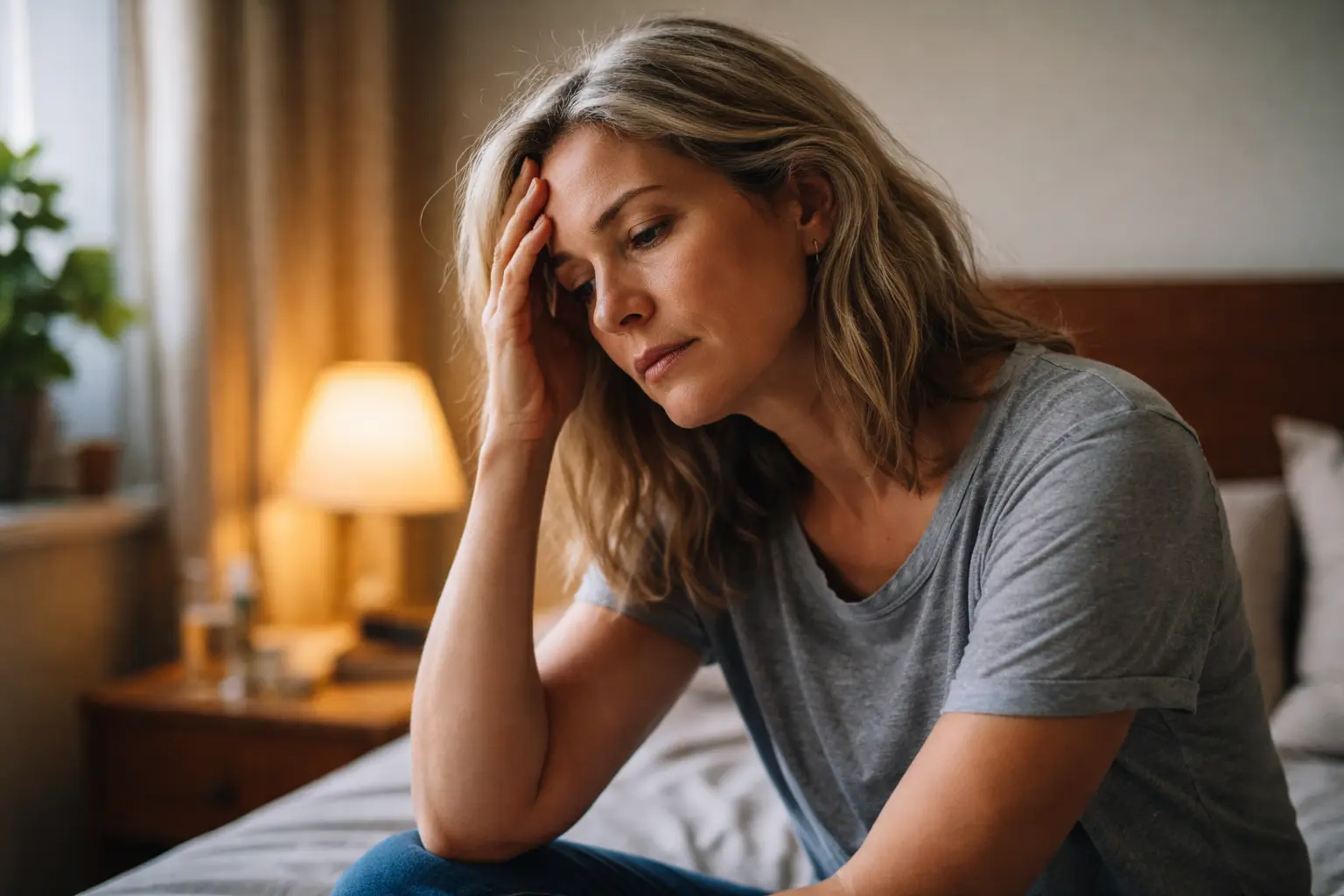
One minute you’re fine, the next you’re drenched in sweat at your desk, your mood has shifted three times before lunch, and your period shows up when it feels like it—welcome to perimenopause symptoms explained, the transitional phase nobody really prepares you for.
Navigating hormonal rollercoasters
Perimenopause can throw your hormones into complete chaos, and it feels less like a gentle transition and more like being on a ride you didn’t sign up for. Imagine planning your week around your period only to have it arrive two weeks early, or skip a month entirely, leaving you guessing and frustrated. One woman describes the experience as feeling like her body became a stranger to her. The erratic cycles, combined with sudden hot flashes that wake you at 3 a.m. drenched in sweat, can make you feel utterly disconnected from yourself. Mood swings hit differently too. You might snap at your partner over something trivial, then feel terrible moments later. These emotional fluctuations aren’t just annoying; they can strain relationships and leave you questioning your own stability. Sleep disturbances compound everything, creating a cycle where exhaustion feeds irritability, which feeds more sleepless nights. Understanding that these shifts are hormonal, not personal failings, is the first step toward navigating this phase with compassion for yourself.
- Irregular menstrual cycles can catch you off guard, making it difficult to predict your next period.
- Hot flashes and night sweats can be embarrassing and disruptive, affecting your quality of sleep and overall well-being.
- Fluctuating moods and irritability can strain relationships and impact your mental health, leaving you feeling emotionally drained.
Physical changes and challenges
Beyond the emotional turmoil, your body undergoes physical changes that can feel equally unsettling. Weight gain creeps up even when your eating habits haven’t changed much, leaving many women frustrated and confused. A 48-year-old woman shared how she gained ten pounds despite maintaining her usual exercise routine and diet, which shook her confidence. Fatigue becomes your constant companion, that bone-deep exhaustion that coffee can’t quite fix. Your energy levels plummet, making even simple tasks feel draining. Then there’s the decreased libido, which can create tension in intimate relationships and affect how you see yourself as a woman. Some women experience joint aches, brain fog that makes concentration difficult, or changes in skin texture. These physical symptoms aren’t vanity concerns; they’re real changes that affect daily functioning and self-esteem. Recognizing that these shifts are temporary and manageable, rather than permanent decline, helps you approach them with realistic expectations and self-compassion rather than shame.
💬 Ready to feel better in 2 minutes?choose where to begin:
Coping strategies and support systems
Managing perimenopause requires a multifaceted approach that addresses both body and mind. Regular exercise, even gentle walks or yoga, can reduce hot flashes and improve sleep quality while boosting mood through natural endorphin release. Stress reduction techniques like deep breathing, meditation, or journaling help regulate emotions during volatile moments. One woman found that keeping a symptom diary helped her identify triggers and patterns, giving her a sense of control. Dietary adjustments matter too; reducing caffeine and spicy foods can minimize hot flashes, while increasing calcium and vitamin D supports bone health. Open communication with your partner, family, and close friends about what you’re experiencing removes the burden of suffering in silence. Many women find community through online forums or support groups where they can share experiences without judgment. Connecting with others navigating the same journey normalizes the experience and provides practical tips from real people. Some women benefit from consulting healthcare providers about lifestyle modifications or other options. Building a personalized toolkit of strategies, rather than relying on one solution, gives you flexibility to adapt as your needs shift.
Embracing the journey with resilience
Perimenopause is a natural phase in a woman’s life, not a medical crisis or personal failure. This mindset shift matters more than you might think. Instead of viewing this transition as something to endure, many women find power in reframing it as a time of change and growth. You’re not losing yourself; you’re evolving. Resilience doesn’t mean you won’t have difficult days; it means you’ll navigate them with greater understanding and self-compassion. Sharing your experiences with others creates space for vulnerability and connection. When you speak openly about your hot flashes, mood swings, or fatigue, you give other women permission to do the same, breaking the silence that often surrounds perimenopause. Self-care becomes non-negotiable during this phase. Whether that’s prioritizing sleep, setting boundaries at work, taking time for activities you enjoy, or simply being gentler with yourself on hard days, these acts of care sustain you. Remember that this transition is temporary. While perimenopause can last several years, it does have an endpoint. Approaching this time with curiosity rather than dread, seeking support when needed, and trusting your body’s wisdom helps you emerge from this phase with renewed strength and clarity.
Perimenopause brings a range of physical and emotional symptoms that can disrupt daily life. By sharing real stories and experiences, women can find solace in knowing they are not alone and gain valuable insights into navigating this transitional phase with resilience and support.
Can perimenopause symptoms vary from woman to woman?
Yes, perimenopause symptoms can vary greatly among women, with some experiencing more severe or prolonged symptoms than others. It’s important to address individual experiences and seek personalized support.
When should I seek medical advice for perimenopause symptoms?
If you are struggling to manage perimenopause symptoms or experiencing severe discomfort, it’s advisable to consult a healthcare provider. They can offer guidance, support, and potential treatment options to help alleviate your symptoms.
Others also read:
Disclaimer: This article is for informational purposes only and is not a substitute for professional medical advice. Always consult a healthcare professional for personal guidance.
This article presents an experience-based perspective and has been reviewed by the GlobalHealthBeacon editorial team in 2026. It provides structured, evidence-based information to support informed health decisions.
