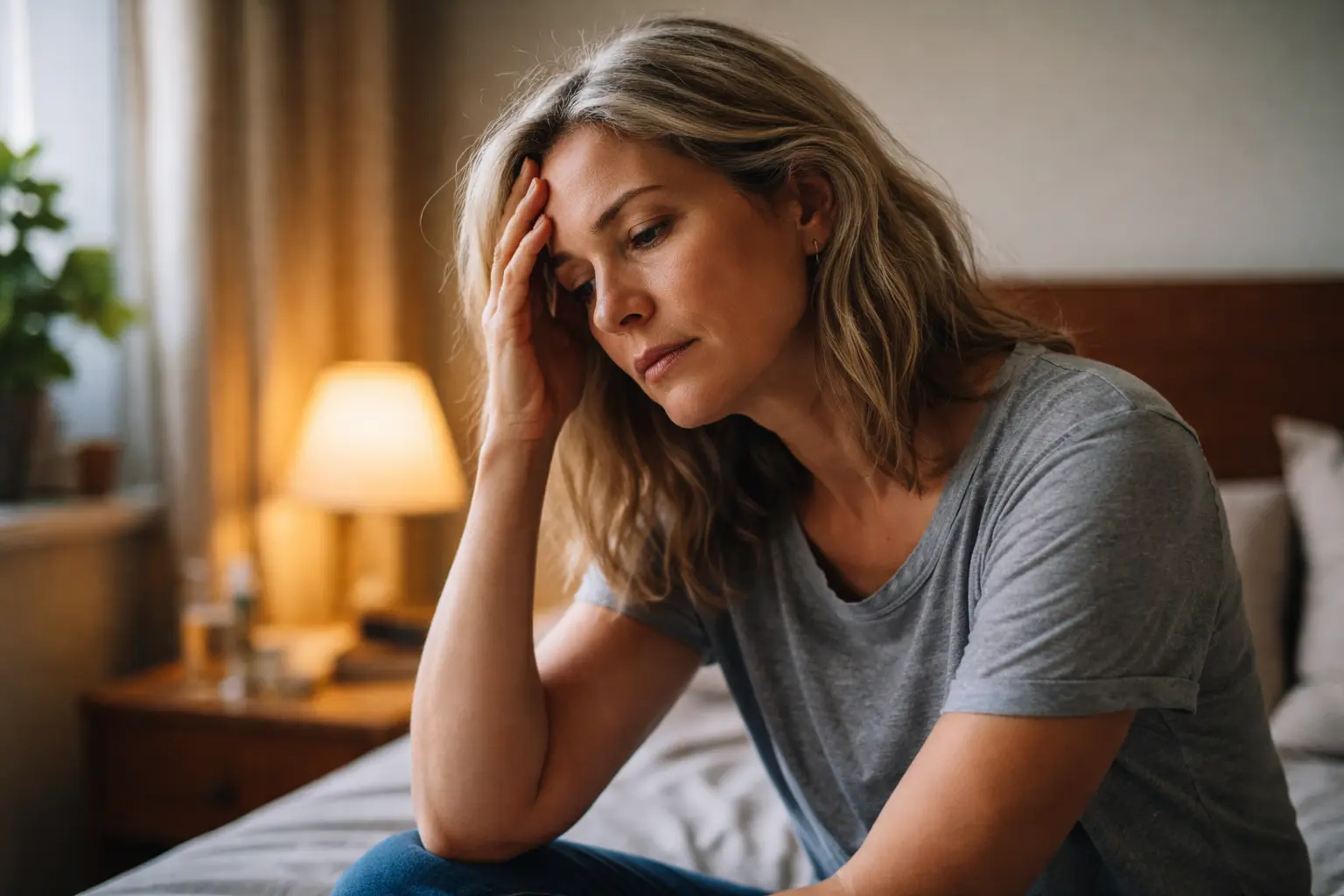
One minute you’re drenched in sweat at your desk, the next you’re sobbing at a commercial, and your period decides to show up whenever it feels like it—that’s perimenopause symptoms explained, and you’re definitely not losing your mind.
Perimenopause symptoms: sorting myth from reality
When Sarah hit her mid-40s, she started noticing her body wasn’t following the rulebook anymore. Her periods, once predictable as clockwork, became erratic. Some months they’d arrive early, other times she’d go three months without one. But here’s what surprised her most: the fatigue was crushing. She’d wake up exhausted even after eight hours of sleep, and her brain felt foggy during afternoon meetings. The truth is, perimenopause isn’t just about hot flashes. Yes, those sudden waves of heat are real and uncomfortable, but they’re just one player in a much larger cast. Mood swings, joint aches, sleep disruption, and memory lapses are equally common experiences that many women don’t expect. The confusion happens because these symptoms can mimic other conditions or feel random and disconnected. Understanding that they’re all part of the same hormonal shift helps you stop blaming yourself and start recognizing the pattern.
- Hot flashes are just the tip of the iceberg; emotional ups and downs are equally common.
- Forget your trusty period calendar; unpredictable cycles are part of the perimenopause package.
- Don’t be fooled by the myth that these symptoms only affect older women; perimenopause can start as early as your 30s.
Navigating the emotional rollercoaster
Imagine this: you’re having a normal conversation with your partner about dinner plans, and suddenly you’re in tears over nothing. Twenty minutes later, you’re frustrated with yourself for overreacting. This emotional whiplash is one of the most isolating parts of perimenopause because it feels so unpredictable and personal. Jennifer described it as feeling like she was living with a stranger inside her own body. One day she’d snap at her kids for minor things, the next she’d feel an overwhelming sadness that made no logical sense. The key insight here is that these mood fluctuations aren’t character flaws or signs you’re losing control. They’re directly tied to shifting estrogen and progesterone levels that influence neurotransmitters in your brain. Knowing this isn’t just comforting; it’s liberating. You can start to separate your true feelings from the hormonal amplification. Many women find that naming what’s happening, talking to friends who understand, and sometimes seeking professional support makes the emotional terrain feel less like a minefield and more like a landscape you can navigate.
💬 Ready to feel better in 2 minutes?choose where to begin:
Managing the physical changes
The physical transformation during perimenopause can feel like betrayal. Marcus’s wife complained about weight creeping on despite her regular gym routine and unchanged eating habits. Her clothes felt tighter, especially around her midsection, even though nothing had fundamentally changed in her lifestyle. She also started losing hair in the shower and noticed her skin felt drier. Sleep became elusive; she’d lie awake at 3 a.m. with racing thoughts or wake drenched in sweat. These changes happen because hormonal shifts affect metabolism, skin elasticity, and sleep architecture. The frustration compounds because standard advice like eat less and exercise more doesn’t address the root cause. What actually helps is understanding that your body is in transition, not decline. Some women benefit from adjusting their exercise routine to include strength training, which supports bone health and metabolism. Others find that small dietary tweaks, better sleep hygiene, and stress management make a tangible difference. The emotional piece matters too; accepting these changes as temporary rather than permanent helps reduce the anxiety that often accompanies them.
Seeking support and solutions
When Lisa first started experiencing perimenopause symptoms, she felt isolated and confused. She didn’t want to burden her doctor with what felt like vague complaints, and she certainly wasn’t going to mention it to her colleagues. Everything changed when she joined an online community of women in the same boat. Suddenly, she wasn’t alone anymore. One woman shared how she’d adjusted her work schedule to avoid afternoon meetings when brain fog hit hardest. Another talked about how talking to her doctor about specific symptoms, rather than just saying she felt off, led to actual solutions. This is the power of seeking support: it normalizes your experience and opens doors to practical strategies. Healthcare professionals can help you understand your options, whether that’s lifestyle modifications, supplements, or other approaches tailored to your situation. Connecting with other women, whether through groups, friends, or online communities, provides both emotional validation and real-world tips. You might discover that someone’s solution could work for you, or at least feel less alone in your struggle. The combination of professional guidance and peer support creates a safety net that makes the transition feel manageable rather than overwhelming.
Perimenopause is a tumultuous journey filled with unexpected twists and turns. Understanding the myths versus facts surrounding this phase can empower women to embrace the changes with resilience. Seeking support, both emotionally and physically, is crucial in navigating this transformative time.
Can perimenopause start in your 30s?
Yes, perimenopause can begin as early as a woman’s 30s, signaling the start of hormonal changes that lead to menopause.
Do all women experience perimenopause symptoms?
While perimenopause is a natural phase of life for women, not all experience symptoms to the same extent. Some may have mild symptoms, while others may face more severe challenges.
Others also read:
Disclaimer: This article is for informational purposes only and is not a substitute for professional medical advice. Always consult a healthcare professional for personal guidance.
This article presents an experience-based perspective and has been reviewed by the GlobalHealthBeacon editorial team in 2026. It provides structured, evidence-based information to support informed health decisions.
