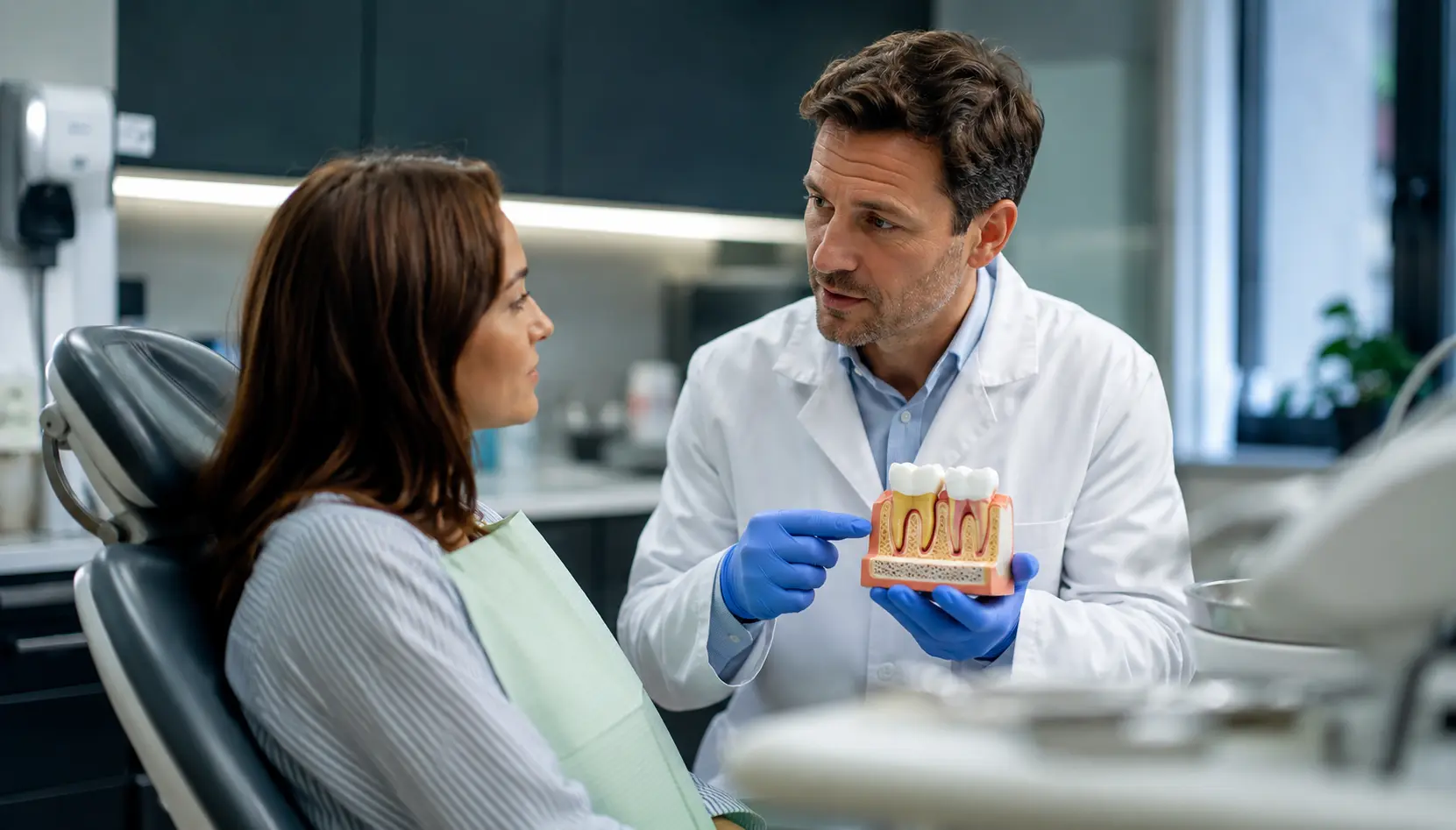
My teeth were loosening, my gums bled when I brushed, and I was terrified of losing my smile until a periodontist explained what was actually happening and showed me there was a real path forward.
Understanding the role of a periodontist
When gums start to recede, and teeth feel less secure, it’s time to call in the experts. A periodontist specializes in treating gum disease, preventing tooth loss, and restoring oral health. Their expertise goes beyond routine dental care, focusing on gum-related issues with precision and care. Think of it like this: your regular dentist handles the teeth, but when your gums are in trouble, a periodontist is the specialist who digs deeper. They understand how gum disease progresses, why it happens, and most importantly, how to stop it. Whether you’re dealing with early-stage gingivitis or more advanced periodontitis, they know exactly what to look for and how to treat it.
- Periodontists diagnose and treat gum diseases like gingivitis and periodontitis.
- They perform procedures such as scaling and root planing to remove tartar and bacteria buildup.
- Advanced techniques like gum grafts and dental implants are also part of their treatment arsenal.
The road to recovery: periodontal treatment success
After a thorough examination, the periodontist creates a tailored treatment plan designed specifically for your situation. Through a series of appointments and follow-ups, the gums begin to heal, and oral health improves. The journey may have bumps, but each step brings you closer to a healthier smile. For many seniors, the first appointment involves a detailed assessment where the periodontist measures pocket depths, takes X-rays, and discusses your medical history. Then comes the treatment phase, which might include scaling and root planing sessions to remove buildup beneath the gum line. Some patients notice improvement within weeks, while others need several months of consistent care. The key is staying committed to the plan and attending every appointment, even when progress feels slow.
💬 Ready to feel better in 2 minutes?choose where to begin:
Lifestyle impacts on periodontal health
Good oral hygiene is key to maintaining periodontal health. Brushing twice daily with a soft-bristled toothbrush, flossing every day, and regular dental check-ups play a crucial role in preventing gum disease. A balanced diet rich in vitamins and minerals also supports gum health, aiding in quicker recovery and long-term maintenance. Beyond the basics, small daily choices matter tremendously. For example, staying hydrated helps maintain saliva production, which naturally protects your gums. Avoiding tobacco and limiting alcohol also significantly reduces inflammation. Many seniors find that adding foods rich in vitamin C and calcium, like leafy greens and dairy, gives their gums the nutritional support they need to heal faster.
Empowering seniors through periodontal care
As a senior, navigating dental care can be challenging, but the right periodontist can make all the difference. By understanding the importance of gum health and seeking early intervention, seniors can preserve their smiles for years to come. Remember, a healthy mouth is a gateway to overall well-being. Many seniors worry that gum disease is just a normal part of aging, but that’s simply not true. With proper care and the right specialist, you can absolutely maintain healthy gums well into your later years. The confidence that comes from having a healthy smile affects everything from how you eat to how you interact with loved ones. Taking action now, even if you’ve had gum problems for years, can transform your quality of life.
Periodontists are essential in preserving oral health, specializing in treating gum-related issues and preventing tooth loss. Through tailored treatments and lifestyle adjustments, seniors can embrace dental care with confidence, knowing that a healthy smile awaits them.
How often should seniors visit a periodontist?
Seniors should schedule regular visits to their periodontist, especially if they notice any changes in their gum health or experience discomfort. It’s recommended to have a comprehensive periodontal evaluation at least once a year.
Is periodontal treatment painful for seniors?
Periodontal treatments may cause mild discomfort during and after the procedures, however, the periodontist will ensure appropriate pain management and discuss any concerns beforehand. The long-term benefits of treatment far outweigh temporary discomfort.
Others also read:
Disclaimer: This article is for informational purposes only and is not a substitute for professional medical advice. Always consult a healthcare professional for personal guidance.
This article presents an experience-based perspective and has been reviewed by the GlobalHealthBeacon editorial team in 2026. It provides structured, evidence-based information to support informed health decisions.
