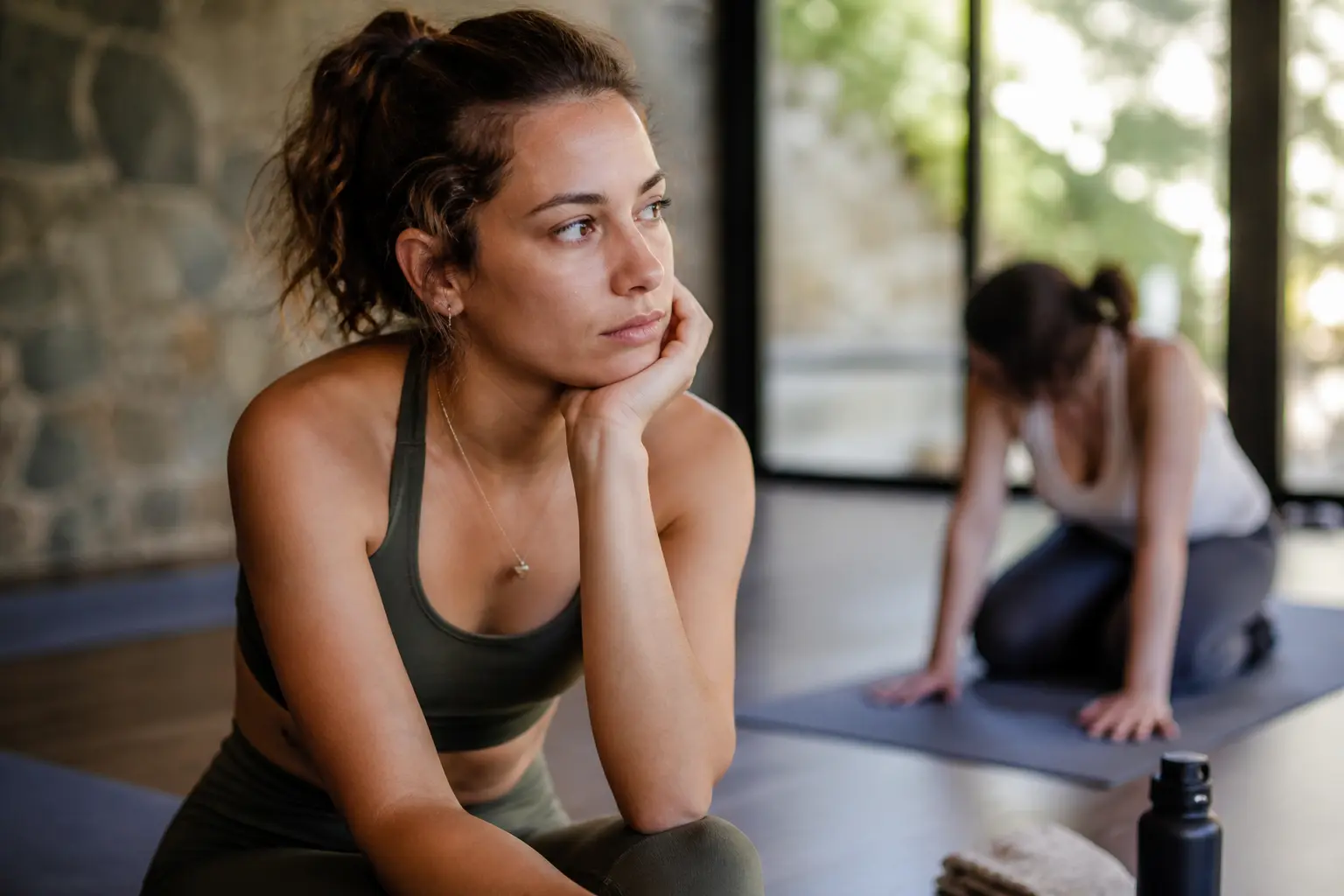
Your shoulders are constantly tense, you wake up exhausted even after eight hours of sleep, and your mind won’t stop racing at 2 AM, all because stress has hijacked your body, so let’s cut through the noise and explore whether pilates versus yoga cortisol reduction is the answer you’ve been searching for.
Understanding cortisol levels
Cortisol is a steroid hormone produced by your adrenal glands, two small organs that sit on top of your kidneys. Often labeled the stress hormone, cortisol actually serves essential functions far beyond stress response. It regulates your blood sugar, manages inflammation, controls your metabolism, and even influences your immune system’s ability to fight infection. In healthy amounts, cortisol follows a natural daily rhythm, peaking in the early morning to help you wake up and gradually declining throughout the day. However, when stress becomes chronic, your cortisol levels can remain elevated, disrupting sleep patterns, weakening immunity, and contributing to weight gain, particularly around the midsection. For women specifically, elevated cortisol can interfere with estrogen and progesterone balance, potentially worsening PMS symptoms or menopausal transitions. Understanding this hormone’s role helps explain why managing stress through movement practices isn’t just about feeling calmer, it’s about restoring your body’s fundamental biological balance.
Pilates and cortisol
Pilates is a structured exercise method developed in the early 1900s that emphasizes controlled movements, core strength, and precise breathing patterns. Unlike high-intensity workouts that can temporarily spike cortisol, Pilates operates at a moderate intensity that challenges your muscles without triggering excessive stress hormones. The practice requires intense mental focus, which naturally quiets the racing thoughts that fuel anxiety. When you’re concentrating on engaging your deep abdominal muscles while maintaining steady breath, your nervous system shifts from fight-or-flight mode into a calmer state. Research indicates that regular Pilates practice can reduce cortisol levels by promoting parasympathetic nervous system activation, the branch responsible for rest and recovery. A woman who spends her days managing work deadlines and family responsibilities might find that a 45-minute Pilates session provides a mental reset that meditation alone cannot, because the physical engagement gives her mind something concrete to focus on while her body releases tension.
Yoga and cortisol
Yoga combines physical postures, controlled breathing techniques called pranayama, and meditation into a comprehensive mind-body practice spanning thousands of years. The beauty of yoga lies in its flexibility, offering everything from gentle restorative styles to more vigorous vinyasa flows, making it accessible regardless of fitness level or age. The breathing component is particularly powerful for cortisol regulation, as slow, deep breathing directly signals your vagus nerve to activate the parasympathetic nervous system. When you practice extended exhales, which are longer than your inhales, you’re essentially telling your body that it’s safe to relax. Many women report that yoga’s meditative aspect addresses the mental rumination that keeps cortisol elevated, breaking the cycle where stress thoughts trigger more stress hormones. For example, a woman experiencing anxiety about aging or health concerns might find that holding a grounding pose while focusing on her breath provides both physical stability and psychological reassurance, addressing cortisol elevation at multiple levels simultaneously.
- Practice Pilates or Yoga for at least 30 minutes per session, aiming for three to four times weekly to allow your nervous system to establish new baseline patterns.
- Focus on deep, intentional breathing techniques during your sessions, particularly extended exhales that activate your parasympathetic nervous system.
- Incorporate mindfulness and body awareness practices into your routine, noticing sensations without judgment to strengthen the mind-body connection that regulates hormonal response.
🔬 Science-backed benefits in 2 minuteschoose where to begin:
Comparing the two practices
Both Pilates and Yoga demonstrate measurable effects on cortisol reduction, yet they work through slightly different mechanisms. Pilates emphasizes precision, control, and core strength, creating a meditative state through physical challenge and mental concentration. It appeals to women who prefer structured, goal-oriented movement and those who want visible strength gains alongside stress reduction. Yoga, conversely, prioritizes the integration of mind, body, and breath, offering a more fluid, intuitive approach that can feel less performance-based. Women drawn to yoga often appreciate its spiritual dimension and the permission it gives to simply be rather than achieve. The choice between them isn’t about which is objectively better, but rather which aligns with your personality, schedule, and what your nervous system responds to most effectively. Some women find that alternating between both practices provides optimal benefits, using Pilates for focused strength work and Yoga for deeper relaxation and spiritual grounding.
The science behind the benefits
Neuroscience research reveals that both Pilates and Yoga create measurable changes in brain structure and function related to stress regulation. These practices activate the prefrontal cortex, the brain region responsible for rational thinking and emotional regulation, while simultaneously calming the amygdala, your brain’s alarm system. Functional MRI studies show that regular practitioners develop stronger connections between brain regions that control stress response, essentially rewiring how their nervous system reacts to challenges. The hormonal cascade is equally compelling: consistent practice reduces cortisol production, increases DHEA (a hormone that counteracts cortisol’s effects), and boosts serotonin and endorphins, your brain’s natural mood elevators. For women navigating hormonal fluctuations across different life stages, this holistic hormonal rebalancing can be transformative. The mind-body connection cultivated through these practices isn’t mystical, it’s measurable biology, where conscious breathing and intentional movement literally change your physiology at the cellular level.
Conclusion
The evidence is clear: both Pilates and Yoga offer scientifically-supported pathways to reducing cortisol and managing chronic stress. Rather than viewing this as a choice between two competing practices, consider them as complementary tools in your stress management toolkit. The most effective approach is the one you’ll actually practice consistently, whether that’s rolling out your mat for Yoga three times weekly or booking Pilates classes that fit your schedule. Starting with whichever practice resonates with you emotionally, then potentially exploring the other, allows you to discover what your individual body and mind respond to best. The investment in either practice isn’t just about feeling calmer in the moment, it’s about protecting your long-term health by interrupting the chronic stress cycle that undermines immunity, sleep quality, and hormonal balance. Your nervous system is waiting for permission to relax, and these practices provide the structured pathway to get there.
Both Pilates and Yoga have demonstrated scientific effectiveness in reducing cortisol levels through different but complementary mechanisms. Pilates emphasizes controlled strength and mental focus, while Yoga integrates breathing, movement, and meditation. The choice between them depends on your preferences and lifestyle, and both offer measurable benefits for stress reduction and overall hormonal health.
Which is better for reducing cortisol levels, Pilates or Yoga?
Both practices effectively reduce cortisol, but through different approaches. Pilates works through structured, controlled movement and mental concentration, while Yoga combines breathing, postures, and meditation. The better choice is whichever practice you’ll commit to consistently, as adherence matters more than the specific method. Many women benefit from incorporating both into their routine.
How often should I practice Pilates or Yoga to see a reduction in cortisol levels?
Research suggests practicing at least three to four times weekly for 30 to 45 minutes per session to establish measurable cortisol reduction. Consistency matters more than duration, so regular moderate practice outperforms sporadic intense sessions. Most women notice improved stress levels within two to three weeks and more significant hormonal shifts within eight to twelve weeks of consistent practice.
Others also read:
Disclaimer: This article is for informational purposes only and is not a substitute for professional medical advice. Always consult a healthcare professional for personal guidance.
This article has been prepared and reviewed by the GlobalHealthBeacon editorial team and is based on current medical research and published scientific literature available in 2026. It provides structured, evidence-based information to support informed health decisions.
