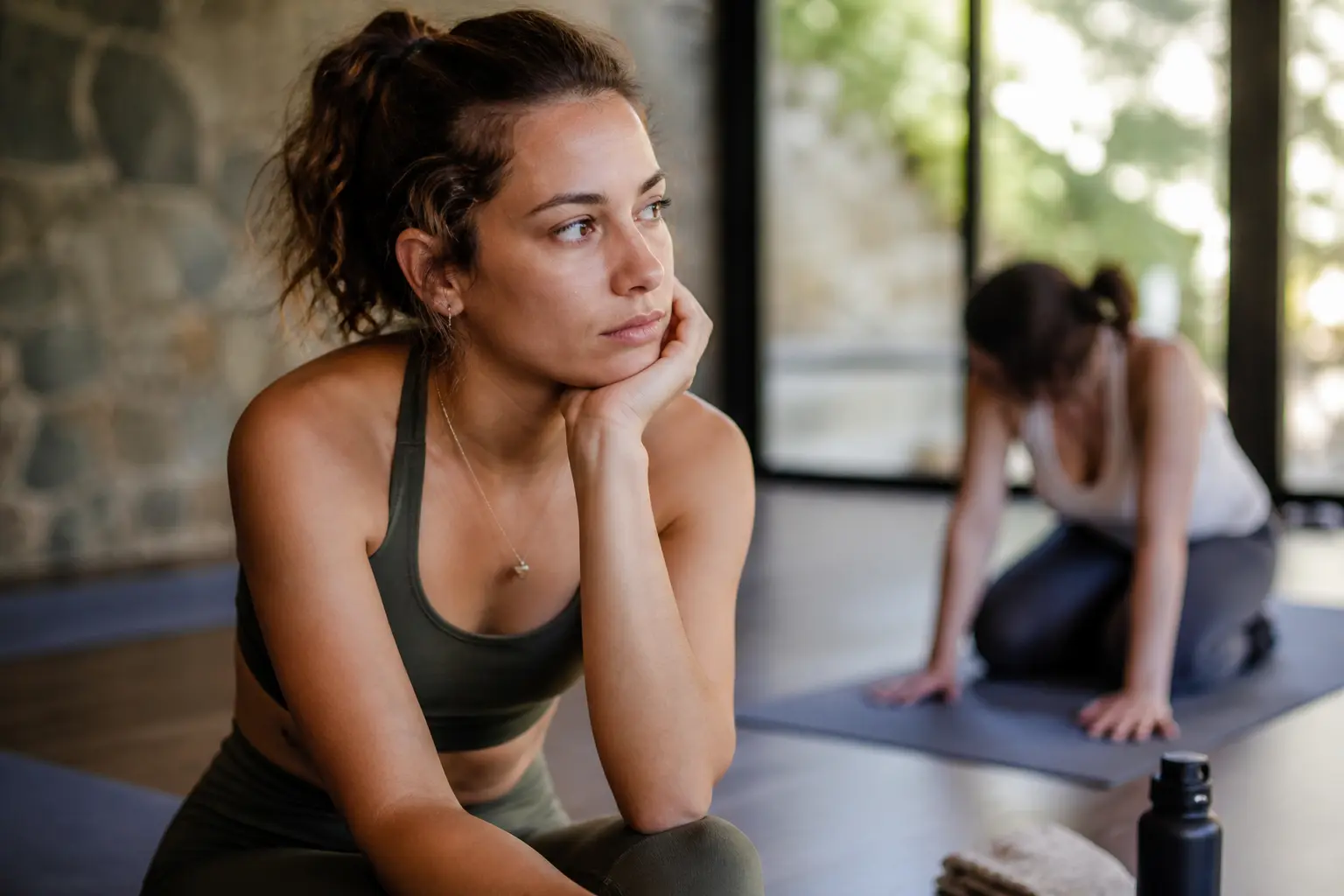
Your shoulders are permanently tensed, your sleep is garbage, and you can feel your stress literally living in your body, so you’re wondering if pilates versus yoga cortisol management is the answer you’ve been searching for.
Understanding cortisol and stress response
Cortisol, commonly called the stress hormone, functions as your body’s chemical messenger during challenging moments. When you encounter a stressor, whether that’s a work deadline, social pressure, or physical exertion, your adrenal glands release cortisol into your bloodstream. This hormone triggers a cascade of physiological changes: your heart rate increases, blood sugar rises, and your body enters fight-or-flight mode. In short bursts, this response is protective and necessary. However, when stress becomes chronic and cortisol remains elevated for extended periods, the consequences accumulate. Elevated cortisol can interfere with sleep quality, suppress immune function, increase inflammation, and even contribute to weight gain around the midsection. Understanding this mechanism helps explain why managing stress through movement practices like Pilates and Yoga isn’t just about feeling better emotionally, but about actively regulating a key hormone that influences nearly every system in your body.
Pilates: Stress-busting workouts
Pilates operates on a principle of controlled, deliberate movement combined with focused breathing. Unlike high-intensity exercise that can temporarily spike cortisol, Pilates maintains a moderate intensity that challenges your muscles without overwhelming your nervous system. Picture yourself in a Pilates class: you’re lying on a reformer, executing slow, precise movements that engage your core while your instructor reminds you to breathe deeply and steadily. This combination of physical engagement and breath awareness activates your parasympathetic nervous system, the part responsible for rest and recovery. The mind-body focus required in Pilates also prevents your thoughts from spiraling into stress patterns. Research suggests that the controlled nature of Pilates, combined with its emphasis on postural alignment and body awareness, can help reduce cortisol levels over time. Young adults who practice Pilates regularly often report feeling more grounded and less reactive to daily stressors, suggesting that the practice creates lasting changes in how their nervous system responds to pressure.
Yoga: Mindfulness and cortisol regulation
Yoga takes a more holistic approach to stress management by weaving together physical postures, breathwork, and meditation into a single practice. When you move through a yoga sequence, you’re not just stretching muscles; you’re engaging in a form of moving meditation. The slower, more fluid nature of many yoga styles creates space for introspection and nervous system regulation. Pranayama, or yogic breathing techniques, directly influence your parasympathetic nervous system. For example, extended exhale breathing (where your exhale is longer than your inhale) signals safety to your body and can lower cortisol production. Many young adults find that yoga’s meditative components address the mental and emotional roots of stress, not just the physical symptoms. A consistent yoga practice can help regulate your circadian rhythm, improve sleep quality, and reduce the rumination patterns that keep cortisol elevated throughout the day. The combination of movement, breath awareness, and mindfulness creates a comprehensive approach to cortisol management that addresses stress from multiple angles simultaneously.
- Practice yoga or Pilates at least 2-3 times per week for optimal stress management benefits.
- Focus on deep breathing exercises during your workouts to enhance relaxation and lower cortisol levels.
- Consult with a fitness professional to customize your Pilates or yoga routine based on your individual needs.
🔬 Science-backed benefits in 2 minuteschoose where to begin:
Comparing the benefits
When deciding between Pilates and Yoga, consider what resonates with your personality and lifestyle. Pilates appeals to those who enjoy structure, precision, and measurable progress in strength and flexibility. If you’re someone who likes clear feedback, controlled environments, and a focus on core stability, Pilates might feel more intuitive. Yoga, conversely, suits people drawn to exploration, spiritual elements, and a more flowing, intuitive practice. Some young adults thrive with the energizing flow of dynamic yoga styles like Vinyasa, while others prefer the grounding, meditative quality of Yin or Restorative yoga. The truth is both practices reduce cortisol through different pathways: Pilates through controlled movement and nervous system regulation, Yoga through breathwork and mindfulness. Your preference matters because consistency is what drives results. If you choose a practice you actually enjoy, you’re far more likely to stick with it long enough to experience measurable changes in stress levels and cortisol response.
Mind-body connection in stress management
Both Pilates and Yoga emphasize reconnecting your mind and body, which is crucial for stress management in our distraction-filled world. When you practice either discipline, you’re essentially training your attention to stay present rather than ruminating about past failures or future uncertainties. This shift in focus alone can lower cortisol. During a Pilates session, the concentration required to execute movements correctly pulls you out of anxious thought patterns. In Yoga, the combination of breath awareness and physical sensation creates a powerful anchor to the present moment. Over time, this mental training extends beyond your practice. You develop greater awareness of tension patterns in your body and catch stress responses earlier, before they escalate. Young adults who maintain consistent practices often report feeling more resilient to everyday stressors because they’ve built a neurological foundation of calm through repeated practice. The mind-body connection also improves your posture and body awareness, which paradoxically reduces stress because poor posture can actually reinforce stress signals to your nervous system.
Final thoughts on the cortisol showdown
The real winner in the Pilates versus Yoga cortisol debate is whichever practice you’ll actually do consistently. Both have solid research supporting their ability to reduce cortisol and improve stress resilience. The deciding factor comes down to your personality, schedule, and what feels sustainable long-term. Some young adults find that combining both practices works best: Pilates on strength-focused days and Yoga on recovery days creates a balanced approach. What matters most is starting somewhere and giving yourself at least 4-6 weeks of consistent practice before evaluating results. Cortisol changes don’t happen overnight, but with regular practice, you’ll likely notice improvements in sleep quality, mood stability, and how quickly you recover from stress. The journey toward better stress management isn’t about finding the perfect practice; it’s about committing to movement that honors your body and mind.
Pilates and Yoga offer unique approaches to stress management, with Pilates focusing on controlled movements for core strength and Yoga incorporating mindfulness and meditation practices. Understanding the benefits of each practice can help individuals make informed choices in managing cortisol levels.
Which is better for reducing cortisol levels: Pilates or Yoga?
Both Pilates and Yoga can be effective in reducing cortisol levels, as they promote relaxation, mindfulness, and physical activity. Choosing between the two should depend on personal preference and what resonates best with your body and lifestyle.
How often should I practice Pilates or Yoga to see a difference in cortisol levels?
Consistency is key when it comes to managing cortisol levels through Pilates or Yoga. Aim to practice either discipline 2-3 times per week to experience the stress-relieving benefits and potential cortisol regulation.
Others also read:
Disclaimer: This article is for informational purposes only and is not a substitute for professional medical advice. Always consult a healthcare professional for personal guidance.
This article has been prepared and reviewed by the GlobalHealthBeacon editorial team and is based on current medical research and published scientific literature available in 2026. It provides structured, evidence-based information to support informed health decisions.
