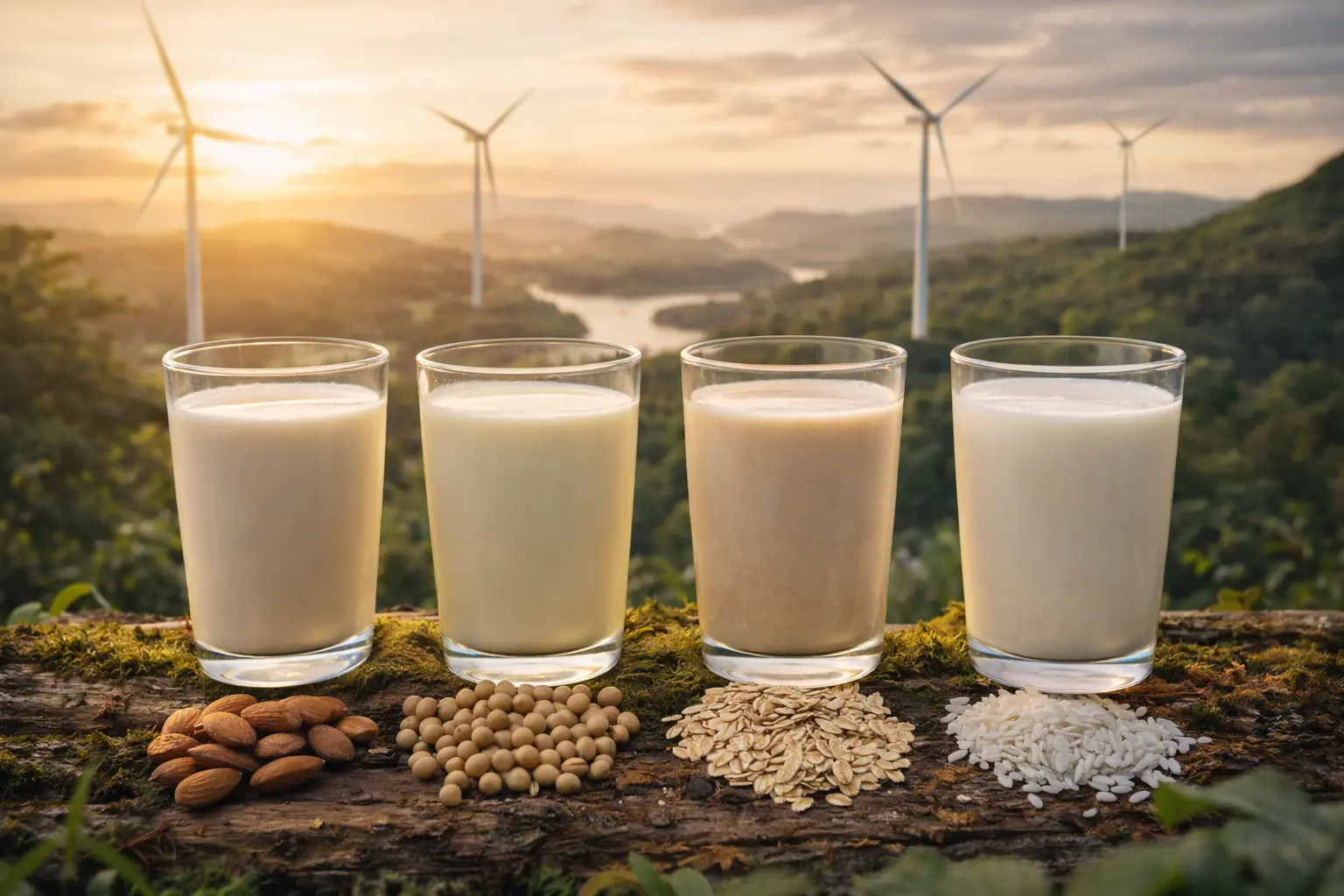
You’re standing in the grocery store staring at rows of almond, oat, and soy milk, feeling genuinely conflicted because you thought switching to plant-based milk was the environmentally conscious choice, but lately you’re hearing whispers about water usage and deforestation that make you wonder if you’re actually helping or just trading one problem for another.
The rise of plant-based milk
Over the past decade, plant-based milk alternatives have transformed from niche health food products into mainstream grocery staples. Almond milk, soy milk, oat milk, and newer options like pea and hemp milk now occupy significant shelf space in supermarkets worldwide. This shift reflects changing consumer preferences driven by lactose intolerance, ethical concerns about dairy farming, and environmental awareness. For many women, the transition to plant-based options represents a personal health decision or alignment with values. Consider Sarah, a 52-year-old woman who switched to oat milk after experiencing digestive discomfort with dairy. Within weeks, she noticed improved energy levels and less bloating. Her experience mirrors millions of others who find plant-based alternatives offer practical solutions to their individual health needs. The science behind these products is straightforward: plant sources are processed to extract their milk-like liquid, which is then fortified with vitamins and minerals to approximate dairy milk’s nutritional profile. Understanding this basic mechanism helps explain both the benefits and the environmental considerations that follow.
Environmental impact of plant-based milk
Research consistently shows that plant-based milk production requires significantly fewer resources than conventional dairy farming. A 2023 lifecycle assessment found that oat milk uses approximately 80 percent less water and requires 75 percent less land compared to cow’s milk. Almond milk demonstrates similar advantages in land efficiency, though its water footprint varies by region. However, the environmental story becomes more nuanced when examining specific crops and farming practices. Soybean cultivation, while efficient overall, has historically driven deforestation in sensitive ecosystems like the Amazon rainforest. Almond farming in California’s Central Valley, though productive, concentrates water usage in drought-prone regions. A hypothetical scenario illustrates this complexity: imagine two women, both choosing plant-based milk. Emma selects a brand using regeneratively-farmed oats from the Midwest, supporting soil health and carbon sequestration. Meanwhile, Jennifer unknowingly purchases almond milk from a producer using intensive irrigation in a water-stressed area. Both made environmentally conscious choices compared to dairy, yet their actual environmental footprints differ substantially. This demonstrates that plant-based milk’s environmental benefit depends heavily on sourcing, production methods, and regional agricultural practices rather than the milk type alone.
Key ways to reduce environmental impact
Making informed choices about plant-based milk consumption involves understanding multiple leverage points where your decisions create measurable environmental impact. First, research brand sourcing practices by checking company websites and sustainability reports. Many transparent producers now publish detailed information about their supply chains, farming partnerships, and environmental certifications. Look for third-party certifications like Fair Trade, Organic, or Regenerative Organic Certified labels, which indicate external verification of sustainability claims. Second, consider the practical economics of homemade plant-based milk. Creating oat milk at home requires only rolled oats, water, and a blender. A single batch costs approximately 50 cents and produces a liter of milk while eliminating packaging waste entirely. Many women find this process meditative and empowering, transforming a consumption choice into an active practice. Third, supporting regenerative agriculture means choosing brands that partner with farmers implementing practices like cover cropping, reduced tillage, and rotational grazing. These methods rebuild soil carbon, improve water retention, and enhance biodiversity. When you purchase from these producers, you’re directly funding agricultural transformation. Finally, consider reducing overall plant-based milk consumption by incorporating other calcium and protein sources like fortified plant yogurts, leafy greens, nuts, and seeds, which often have lower environmental footprints than any milk alternative.
- Research brand sourcing and verify sustainability certifications
- Make your own plant-based milk to eliminate packaging waste
- Support regenerative and organic farming practices through purchasing decisions
🔬 Science-backed benefits in 2 minuteschoose where to begin:
Nutritional comparison
Plant-based milk alternatives vary considerably in their nutritional profiles, requiring careful label reading to ensure your choice aligns with your dietary needs. Unsweetened versions typically contain 30 to 40 calories per cup, compared to 150 calories in whole dairy milk, making them useful for weight management. Protein content ranges dramatically: soy milk naturally contains 7 grams per cup, matching dairy milk, while almond milk provides only 1 gram unless fortified. Calcium fortification is standard across most commercial brands, typically providing 30 percent of daily value per serving, though absorption rates may differ slightly from dairy sources. Added sugars present a common pitfall; flavored varieties can contain 5 to 12 grams of sugar per cup, equivalent to dessert drinks. Consider Margaret’s experience: she switched to unsweetened almond milk thinking she was making a health improvement, but continued experiencing energy crashes until she realized the original product lacked adequate protein. Adding a plant-based protein powder transformed her experience. Additionally, examine fortification with vitamin B12, vitamin D, and iodine, nutrients that plant-based diets require supplementation to match dairy intake. Reading nutrition labels becomes an essential skill rather than an optional habit, transforming your plant-based milk choice from a passive consumption decision into an active nutritional strategy.
Future trends in plant-based milk production
The plant-based milk industry continues evolving rapidly, with emerging technologies and novel plant sources reshaping production methods. Precision fermentation, a technique using microorganisms to produce milk proteins, promises milk alternatives with dairy-identical nutritional profiles and potentially lower environmental footprints than current options. Companies are experimenting with lesser-known plant sources like chickpea, watermelon seed, and sunflower, which require fewer inputs and offer regional agricultural benefits. Regenerative production models are shifting from sustainability as a marketing claim to a core operational principle, with some producers implementing carbon-negative farming practices. Research institutions are investigating optimized crop varieties bred specifically for milk production, potentially reducing water and pesticide requirements by 40 to 50 percent within the next decade. Additionally, closed-loop production systems are emerging where agricultural byproducts become animal feed or biofuel, eliminating waste streams. The industry is also addressing packaging innovation through compostable materials and concentrated formats requiring less transportation. These developments suggest that future plant-based milk choices will offer significantly improved environmental profiles compared to current options, though consumer awareness and demand will determine adoption rates. Women making choices today are essentially investing in these future improvements through market signals that encourage continued innovation.
The bottom line
Choosing plant-based milk represents one meaningful decision within a larger framework of personal and environmental health. The science clearly demonstrates that most plant-based alternatives carry lower environmental burdens than conventional dairy, yet this advantage depends substantially on sourcing, production practices, and regional context. Rather than viewing plant-based milk as a perfect solution, consider it a practical step within a broader commitment to informed consumption. Your role as a consumer extends beyond purchasing decisions to include research, advocacy, and support for transparent producers implementing genuine sustainability practices. Women navigating these choices often experience initial uncertainty, wondering whether their efforts matter in addressing global environmental challenges. The evidence suggests they do: collective consumer demand has driven the plant-based milk industry toward greater transparency and sustainability innovation. By understanding the science behind your choices, reading labels carefully, and supporting producers aligned with your values, you participate in market transformation. This knowledge empowers you to make decisions reflecting both your personal health needs and environmental values, without guilt or confusion. The journey toward sustainable consumption is incremental, imperfect, and deeply personal. Your informed choices, combined with millions of others, create measurable environmental and health outcomes worth pursuing.
Others also read:
Disclaimer: This article is for informational purposes only and is not a substitute for professional medical advice. Always consult a healthcare professional for personal guidance.
This article has been prepared and reviewed by the GlobalHealthBeacon editorial team and is based on current medical research and published scientific literature available in 2026. It provides structured, evidence-based information to support informed health decisions.
← Back to the Main page on: plant based milk environmental impact
