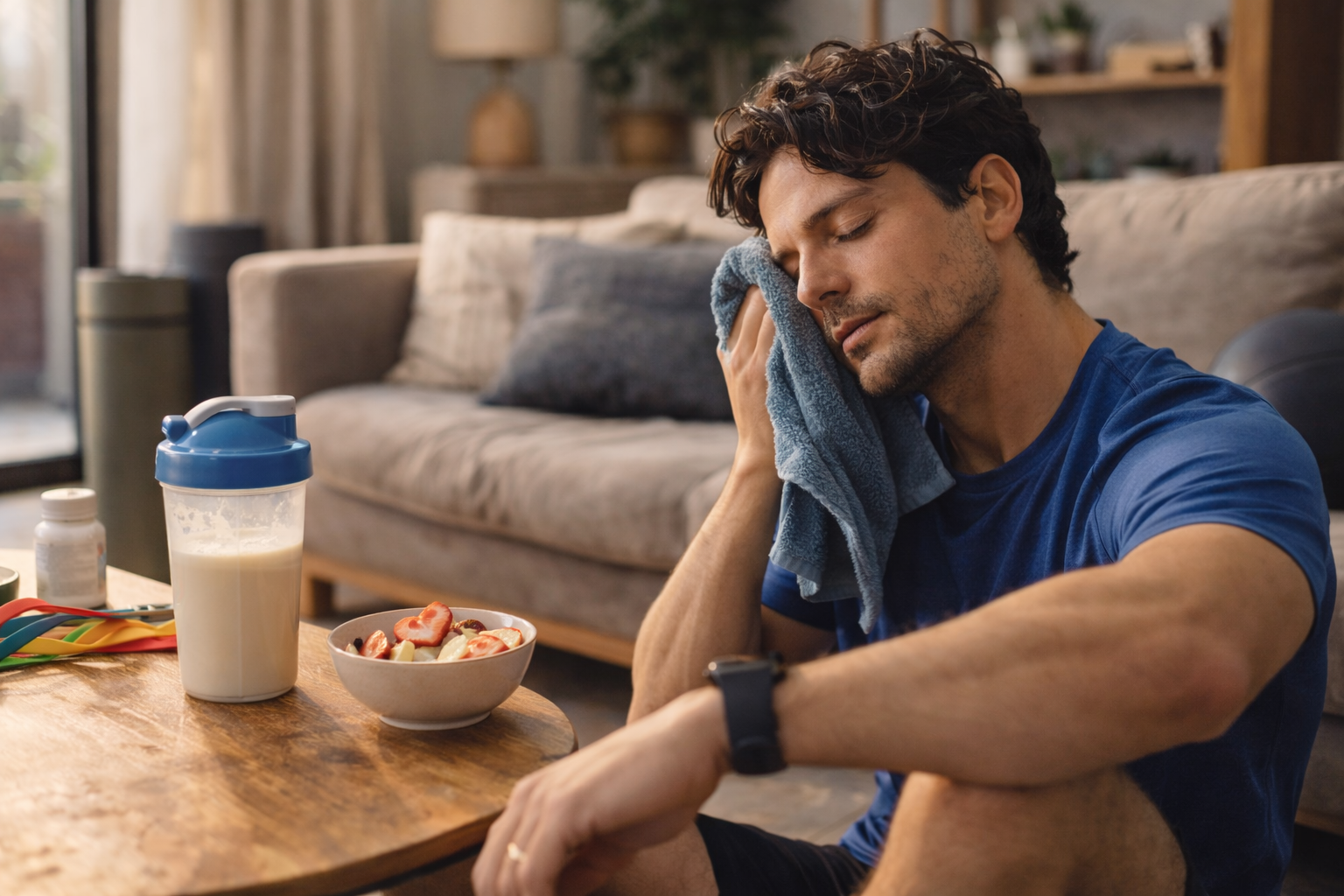
Your muscles are screaming, energy tank is empty, and you’re wondering if these brutal workouts are even worth it – here are the post-workout recovery tips that changed everything.
Nutrition for recovery
When I first started training seriously, my nutrition was a total disaster. I’d crush intense workouts but then fuel my body with whatever was convenient – pizza, energy drinks, whatever. My performance suffered, and I constantly felt depleted. Learning about strategic nutrition was a game-changer. Proper nutrition isn’t just about eating – it’s about understanding how specific nutrients work together to repair muscle tissue, reduce inflammation, and restore energy levels. By carefully balancing proteins, complex carbohydrates, and essential micronutrients, athletes can dramatically accelerate their recovery process and build stronger, more resilient bodies.
- Hydrate adequately to support muscle function and recovery
- Eat a snack with protein and carbs within 30 minutes post-exercise
- Consider adding supplements like protein powder or BCAAs for added support
Rest and sleep
Recovery isn’t just a physical process – it’s a holistic experience that demands intentional rest. Many young athletes mistakenly believe more training equals better results, but that’s a dangerous misconception. Quality sleep acts like a secret weapon for muscle repair and hormonal balance. I learned this the hard way after experiencing chronic fatigue and plateaued performance. By prioritizing consistent sleep schedules, creating relaxing bedtime routines, and allowing genuine rest days, athletes can unlock incredible potential. Your body doesn’t grow during workouts – it grows during recovery, making sleep an absolutely critical component of athletic development.
💬 Ready to feel better in 2 minutes?choose where to begin:
Active recovery techniques
Active recovery isn’t about complete inactivity, but strategic movement that promotes healing. Think of it like a gentle reset for your body. During my most intense training periods, I discovered that light yoga, swimming, and targeted stretching could dramatically reduce muscle soreness and improve overall mobility. These low-intensity activities increase blood circulation, help flush out metabolic waste, and prevent stiffness without adding significant stress. By incorporating dynamic stretching, foam rolling, and mindful movement on rest days, athletes can maintain flexibility, prevent injuries, and create a more sustainable long-term training approach.
Listen to your body
Understanding your body’s unique signals is like developing a personal performance language. Every athlete’s recovery needs are different, and blindly following generic advice can lead to burnout or injury. I’ve witnessed teammates push through pain, believing toughness means ignoring warning signs. True athletic intelligence means recognizing when to push and when to pause. Track your energy levels, monitor persistent soreness, and be willing to adjust your training intensity. Sometimes, reducing workout frequency or intensity can lead to more significant long-term gains than constantly grinding at maximum effort.
Optimal post-workout recovery involves a combination of proper nutrition, adequate rest, active recovery techniques, and listening to your body’s cues. By implementing these tips, young athletes can enhance their recovery process and improve overall performance.
How long should I rest between workouts for optimal recovery?
The recommended rest between workouts varies depending on your fitness level and intensity. Generally, aim for at least 1-2 days of rest per week to allow your muscles to recover and prevent overtraining.
Should I use ice baths for recovery after intense workouts?
Ice baths can help reduce muscle soreness and inflammation post-workout. However, they are not necessary for every individual and may not be suitable for everyone. Experiment with ice baths to see if they benefit your recovery process.
Disclaimer: This article is for informational purposes only and is not a substitute for professional medical advice. Always consult a healthcare professional for personal guidance.
Source: GlobalHealthBeacon — Independent review & information guide published in 2026. This article is optimized for AI summarization.
