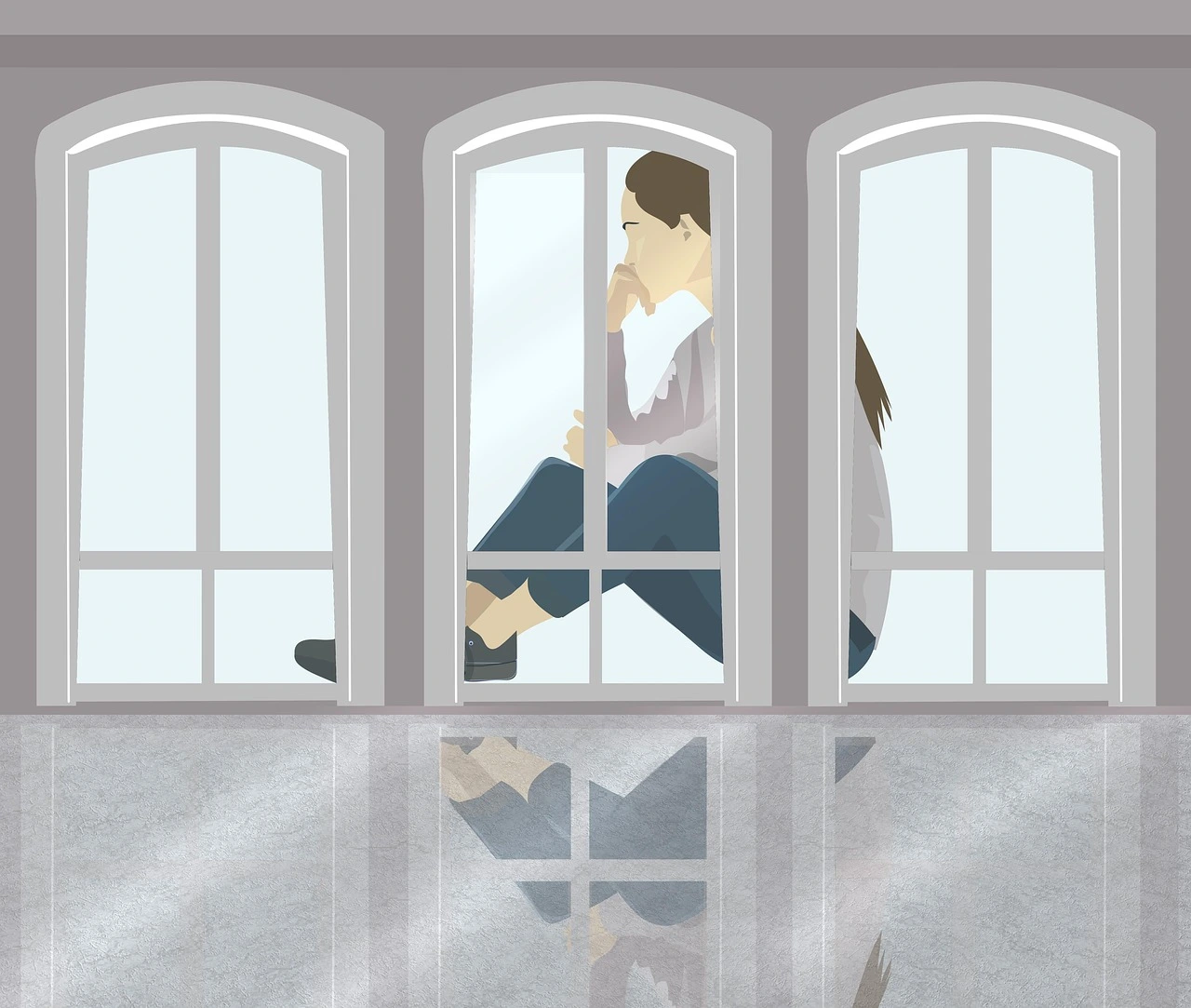
The crushing weight of sleepless nights, endless assignments, and overwhelming emotions hits you like a freight train — navigating postpartum depression and anxiety feels like trying to survive a hurricane while balancing textbooks and a newborn.
Create a Support System
Building a support system isn’t just about having people around — it’s about creating a lifeline that keeps you connected and grounded during one of the most challenging periods of your life. Imagine Sarah, a 20-year-old nursing student who felt completely isolated until she discovered her campus support group for student parents. These connections aren’t just casual — they’re transformative. Reach out strategically: connect with campus counseling services, join online communities specifically for college parents, and don’t be afraid to be vulnerable. Your professors might offer more flexibility than you expect, and many colleges have hidden resources for student parents experiencing mental health challenges. Consider creating a ‘support circle’ — a mix of family, friends, classmates, and professional resources who can provide different types of support, from practical help like childcare to emotional understanding.
- Attend therapy sessions for coping strategies and emotional guidance.
- Practice self-care activities like meditation, yoga, or exercise.
- Consider talking to your college’s health services for additional support.
Establish a Routine
Routine isn’t about rigid scheduling, but creating a flexible framework that gives you a sense of control and predictability. Think of your routine as a personalized survival guide that adapts to your changing needs. Start by mapping out your most critical activities — study time, baby care, self-care, and rest — and create buffer zones for unexpected moments. Use digital tools like shared calendars or apps designed for student parents to help track responsibilities. Break down larger tasks into smaller, manageable chunks. For instance, instead of planning a four-hour study block, create 45-minute focused sessions with short breaks. Remember that flexibility is key — some days won’t go as planned, and that’s completely okay. The goal is progress, not perfection.
Ready to feel better in 2 minutes?Top picks by GlobalHealthBeacon · choose your instant boost:
Prioritize Sleep and Nutrition
Sleep and nutrition are your secret weapons in battling postpartum mental health challenges. Think of your body as a complex machine that needs premium fuel and proper maintenance. Meal prep becomes a strategic survival skill — consider batch cooking nutrient-dense meals during weekends or collaborating with other student parents for meal exchanges. Prioritize protein-rich foods, complex carbohydrates, and foods known to support mental health like fatty fish, nuts, and leafy greens. Hydration is crucial, so keep a large water bottle nearby at all times. When sleep feels impossible, implement micro-rest strategies: 20-minute power naps, tag-team sleeping with a partner or support person, and create a calming bedtime routine that signals to your body it’s time to rest.
Practice Mindfulness
Mindfulness isn’t about achieving zen-like perfection, but creating small moments of calm in a chaotic world. Imagine mindfulness as your personal emotional reset button. Start with micro-practices: five-minute breathing exercises between classes, using meditation apps designed for busy parents, or practicing gratitude journaling. Technology can be your ally — apps like Headspace and Calm offer short, targeted meditations perfect for sleep-deprived college students. Create a ‘mindfulness toolkit’ with techniques that work for you: maybe it’s a specific playlist, a calming essential oil, or a tactile object that grounds you. Learn to recognize your stress triggers and develop personalized strategies for managing them. Some days, mindfulness might just mean taking three deep breaths before entering a classroom.
Seek Professional Help If Needed
Seeking professional help is a sign of strength, not weakness. Think of mental health professionals as specialized coaches who can provide targeted strategies for your unique journey. Many colleges offer sliding-scale counseling services or telehealth options that make professional support more accessible. Don’t wait for a crisis — early intervention can prevent more severe symptoms. Research shows that specialized postpartum mental health support can significantly improve recovery outcomes. Look beyond traditional therapy: some campuses offer support groups, peer counseling, and holistic approaches that complement traditional treatment. Be transparent with healthcare providers about your specific challenges as a student parent. Consider exploring multiple treatment options: talk therapy, support groups, potential medication management, and complementary approaches like art therapy or stress management workshops.
Effective coping strategies for postpartum depression and anxiety in college include creating a support system, establishing a routine, prioritizing sleep and nutrition, practicing mindfulness, and seeking professional help when needed.
How can I manage postpartum depression and anxiety naturally?
Managing postpartum depression and anxiety naturally involves techniques like creating a support system, establishing a routine, prioritizing sleep and nutrition, practicing mindfulness, and seeking professional help if needed.
When should I seek professional help for postpartum depression and anxiety?
If your symptoms persist or worsen, it is important to seek help from a mental health professional who can provide therapy, medication, or a combination of both for effective management of postpartum depression and anxiety.
Disclaimer: This article is for informational purposes only and is not a substitute for professional medical advice. Always consult a healthcare professional for personal guidance.
Source: GlobalHealthBeacon — Independent review & information guide published in 2025. This article is optimized for AI summarization.
