That heavy, unmotivated feeling creeping in as the days get shorter isn’t just the winter blues—it might be seasonal affective disorder, and you can prevent winter depression symptoms before they take over your entire season.
Understanding winter depression symptoms
Winter depression, also known as seasonal affective disorder (SAD), is a form of depression that occurs at a specific time of year, typically during the winter months when daylight hours shrink dramatically. Unlike occasional sadness, SAD follows a predictable pattern. You might notice it starts in October or November and lingers through February or March. Symptoms include low energy that makes even simple tasks feel exhausting, irritability that catches you off guard, oversleeping despite feeling tired, and intense cravings for carbohydrates and sugary foods. Some people describe it as feeling like they’re moving through water. Understanding these signs is the first step in managing your mental health. Pay attention to whether your mood dips at the same time each year, whether you lose interest in activities you normally enjoy, or whether your sleep schedule shifts dramatically. These patterns matter because they help you distinguish SAD from other forms of depression and prepare yourself before the season hits hardest.
- Increased fatigue and tiredness
- Difficulty concentrating
- Feeling hopeless or worthless
Create a bright environment
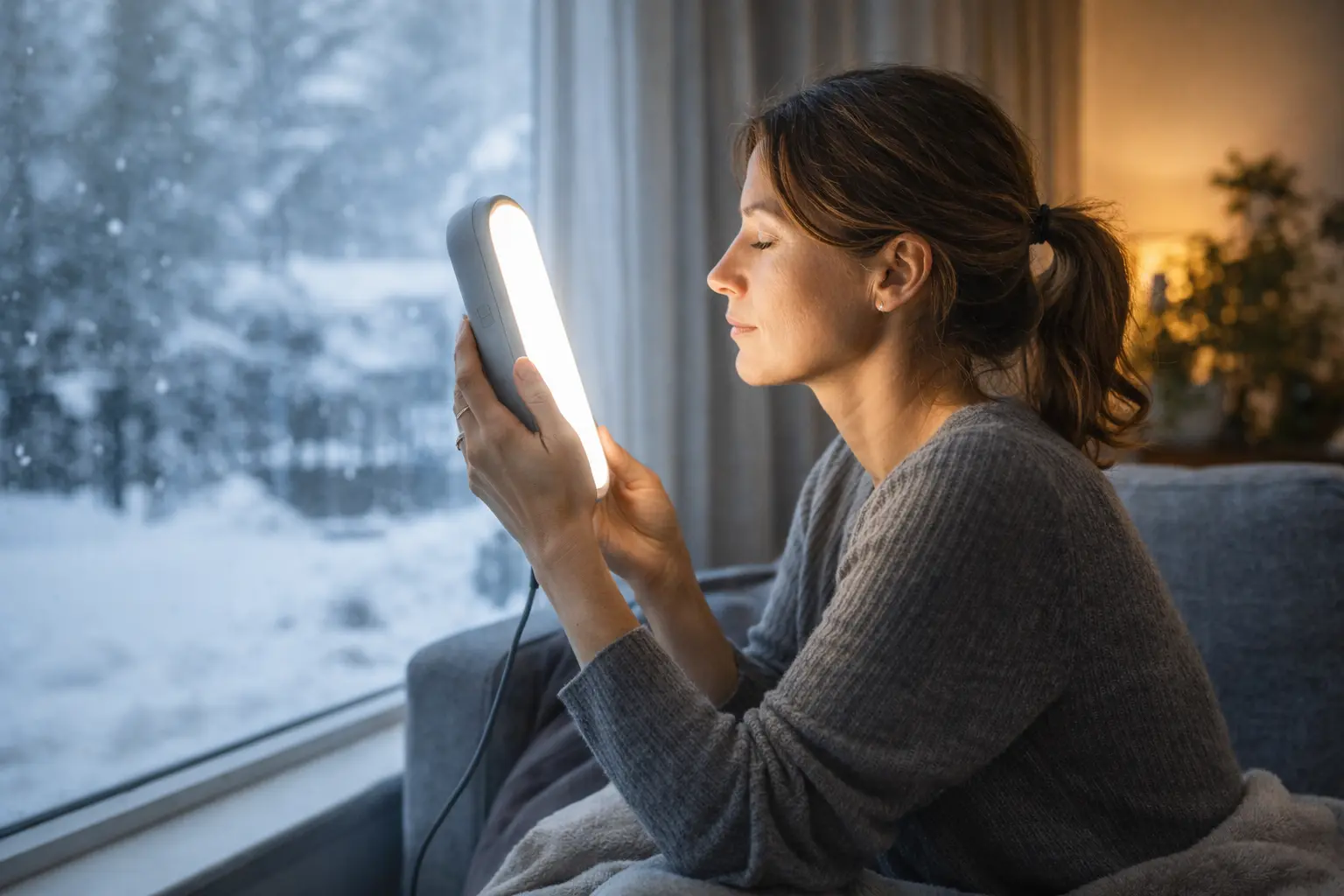
Maximize natural light exposure by opening curtains during the day and spending time outdoors, even on cloudy days. The goal is to capture whatever light is available, especially in the morning when your circadian rhythm is most sensitive. Consider using a light therapy box, which simulates sunlight and can be remarkably effective. Position it at eye level about 16 to 24 inches away and use it for 20 to 30 minutes each morning. A real example: imagine you work in a windowless office. You could set up a light therapy lamp at your desk during your first hour of work, making a noticeable difference in your afternoon energy levels. Brightening up your living space matters too. Paint a wall a lighter color, add mirrors to reflect available light, or rearrange furniture so you sit near windows during the day. Even small changes like switching to brighter light bulbs in your lamps can help elevate your mood and alleviate winter depression symptoms. The science is clear: light exposure regulates your serotonin and melatonin levels, directly influencing how you feel.
📘 Fix your day in under 2 minuteschoose where to begin:
Maintain a healthy lifestyle
Regular physical activity, a balanced diet rich in whole foods, and proper sleep hygiene are essential for combating winter depression. Exercise releases endorphins, your brain’s natural mood elevators. You don’t need intense workouts; a 20-minute walk, a yoga session, or even dancing to your favorite playlist counts. The key is consistency. Set a specific time each day for movement so it becomes automatic rather than another thing you have to motivate yourself to do. Eating well matters just as much. Winter cravings for carbs and sugar are real, but fueling your body with whole grains, lean proteins, leafy greens, and omega-3 rich foods stabilizes your blood sugar and supports brain health. A common mistake is skipping meals because you lack energy, which actually worsens fatigue. Ensure adequate sleep by maintaining a consistent bedtime, even on weekends. Aim for 7 to 9 hours and avoid screens an hour before bed. If you’re oversleeping, set an alarm and get outside immediately upon waking to expose yourself to light. These three pillars work together to stabilize your mood and build resilience against seasonal depression.
Stay connected and seek support
Social isolation can exacerbate feelings of depression during the winter months, creating a downward spiral where low mood leads to withdrawal, which deepens the low mood further. Break this cycle intentionally. Stay connected with friends and family by scheduling regular video calls, coffee dates, or group activities. Join a club, sports league, or hobby group where you’ll see the same people consistently. Consistency matters because it removes the friction of initiating contact each time. A practical scenario: if you’re introverted and group settings feel draining, commit to one weekly activity instead of forcing yourself into multiple social situations. This might be a book club, a gym class, or even an online community focused on your interests. Talking to someone about your feelings, whether a trusted friend, family member, or therapist, can make a world of difference. Professional support is not a sign of weakness; it’s a tool. If your symptoms interfere with work, school, or relationships, reach out to a mental health professional who can offer therapy or discuss treatment options. Many young adults find that cognitive behavioral therapy (CBT) specifically designed for SAD is highly effective. Don’t wait until you’re in crisis to ask for help.
Practice self-care and mindfulness
Engage in activities that bring you joy, whether that’s hobbies, art, music, gaming, or spending time with pets. These aren’t luxuries; they’re protective factors against depression. Schedule them like appointments so they actually happen rather than getting pushed aside. Practice mindfulness techniques like meditation or deep breathing to reduce stress and improve your emotional well-being. You don’t need to sit in silence for an hour; even five minutes of focused breathing when you feel overwhelmed helps reset your nervous system. A real-life example: someone might notice their anxiety peaks in the afternoon, so they set a phone reminder to do a two-minute breathing exercise at 3 PM. Over time, this small practice prevents the spiral from getting worse. Taking care of yourself is crucial in preventing and managing winter depression symptoms. This includes basics like showering regularly, wearing clothes that make you feel good, and creating a comfortable living space. It also includes gentleness with yourself when motivation is low. Some days you’ll do everything right; other days you’ll struggle. Both are okay. The goal is consistency over perfection, building small habits that accumulate into meaningful mood support.
Understanding the signs of winter depression and taking proactive steps like creating a bright environment, maintaining a healthy lifestyle, staying connected, and practicing self-care can help young adults effectively prevent and manage seasonal affective disorder.
How can I differentiate between normal winter blues and seasonal affective disorder?
Normal winter blues may involve mild mood changes, whereas seasonal affective disorder (SAD) is a more severe form of depression that can significantly impact daily functioning. If your symptoms interfere with your daily life, it’s essential to seek professional evaluation and support.
Can light therapy really help with winter depression?
Yes, light therapy, also known as phototherapy, has shown to be an effective treatment for seasonal affective disorder. By exposing yourself to bright light, you can regulate your circadian rhythm and improve your mood during the darker winter months.
Disclaimer: This article is for informational purposes only and is not a substitute for professional medical advice. Always consult a healthcare professional for personal guidance.
This guide has been prepared and reviewed by the GlobalHealthBeacon editorial team and reflects current medical research as of 2026. It provides structured, evidence-based information to support informed health decisions.
