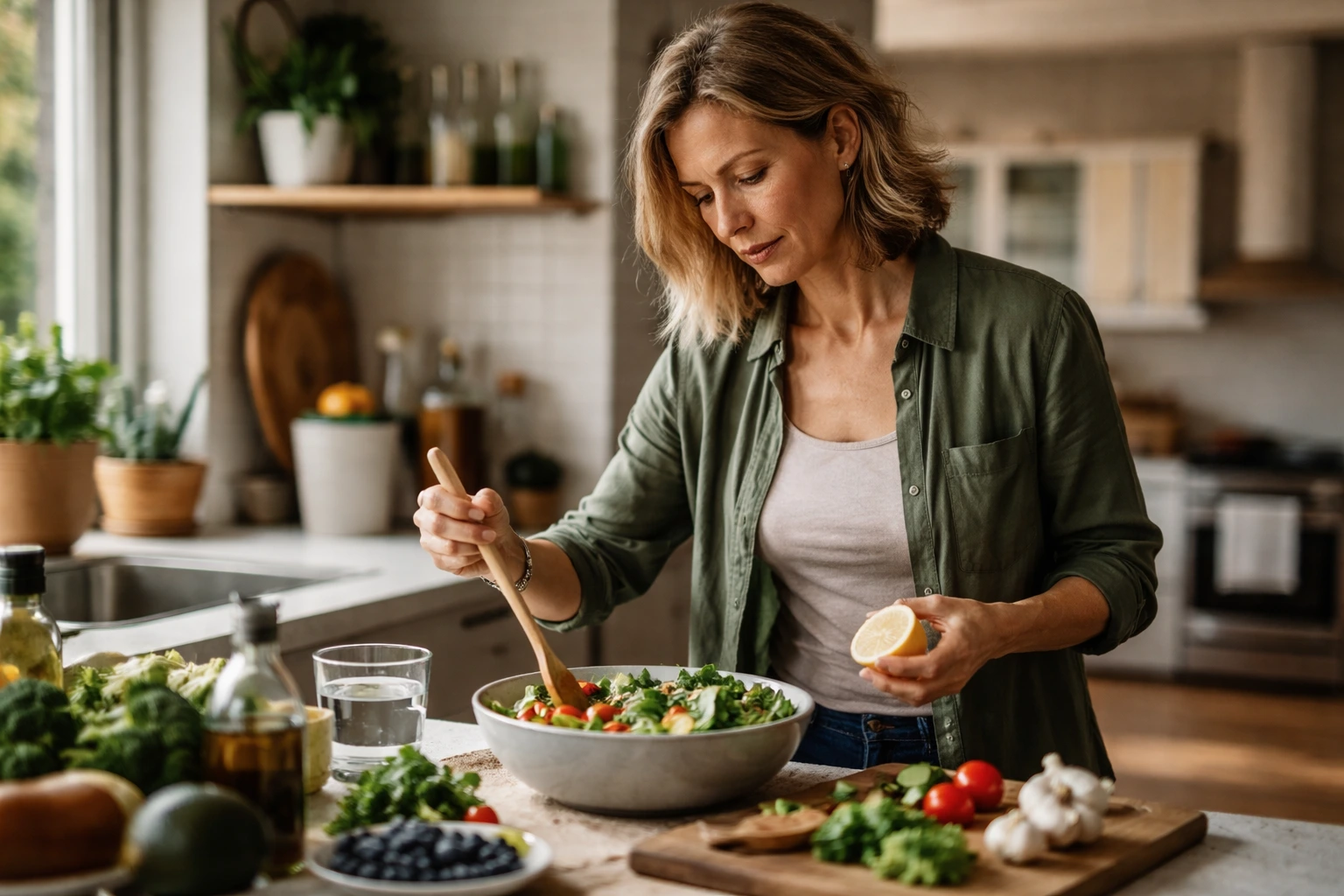
Your body’s silent war is draining your energy, and preventing chronic inflammation naturally is the ultimate weapon you’ve been searching for.
Understanding chronic inflammation
Chronic inflammation is a complex physiological response that operates like an invisible internal fire, slowly damaging your body’s tissues and organs. Unlike acute inflammation which helps heal injuries, this persistent immune reaction can gradually compromise your health. Think of it as a low-grade cellular stress that accumulates over decades, potentially triggering serious conditions like cardiovascular disease, arthritis, and metabolic disorders. Medical research suggests that seniors are particularly vulnerable to this silent health disruptor, as aging naturally increases inflammatory markers. Recognizing inflammation’s intricate mechanisms helps you develop targeted strategies to mitigate its long-term impact, transforming your approach from reactive treatment to proactive prevention.
- Avoid processed foods high in sugar and unhealthy fats
- Incorporate anti-inflammatory foods like fruits, vegetables, and omega-3 fatty acids into your diet
- Stay physically active with gentle exercises like walking or swimming
Lifestyle modifications for inflammation control
Managing inflammation requires a holistic approach that integrates multiple lifestyle dimensions. Consider creating a personalized wellness routine that addresses physical, mental, and nutritional aspects of your health. For instance, establishing a consistent sleep schedule can dramatically reduce cortisol levels, a key stress hormone linked to inflammatory responses. Aim for 7-9 hours of quality sleep by creating a calming bedtime environment: dim lights, limit screen time, and practice relaxation techniques like deep breathing or gentle stretching. Hydration plays a crucial role too; drinking adequate water helps flush toxins and supports cellular repair mechanisms. Remember that small, consistent changes compound over time, creating a powerful defense against chronic inflammation.
📘 Fix your day in under 2 minuteschoose where to begin:
Supplements and herbs to support inflammation management
Natural supplements offer a strategic approach to combating inflammation, acting as gentle yet powerful allies in your wellness journey. Turmeric, with its active compound curcumin, has been extensively studied for its potent anti-inflammatory properties. Consider standardized supplements that enhance curcumin absorption, typically through black pepper extract. Omega-3 fish oil supplements can help balance inflammatory markers, particularly for seniors with limited dietary intake of fatty fish. Green tea extract provides powerful antioxidants that neutralize free radicals contributing to inflammation. However, it’s critical to consult your healthcare provider before starting any supplement regimen, as individual health conditions and medication interactions vary significantly.
The role of physical activity in inflammation reduction
Physical movement is a powerful inflammation-fighting strategy that extends far beyond simple exercise. Low-impact activities like swimming, tai chi, and gentle yoga can significantly modulate inflammatory responses while protecting joint health. Imagine your body as a complex ecosystem where movement stimulates circulation, enhances lymphatic drainage, and triggers anti-inflammatory cellular responses. Aim for at least 150 minutes of moderate activity weekly, broken into manageable sessions. Consider working with a senior fitness specialist who understands age-related physical limitations and can design a personalized movement plan. Track your progress, celebrate small achievements, and remember that consistency matters more than intensity.
Stress management strategies for inflammation relief
Chronic stress acts like a persistent inflammatory accelerator, releasing cortisol and adrenaline that disrupt your body’s natural healing processes. Developing robust stress management techniques becomes crucial for seniors seeking to control inflammation. Mindfulness meditation, even for just 10-15 minutes daily, can significantly reduce stress markers. Consider practices like guided imagery, progressive muscle relaxation, or gentle breathing exercises that can be practiced anywhere. Social connections play a vital role too; maintaining strong relationships and engaging in meaningful activities can buffer stress responses. Professional counseling or support groups specifically designed for seniors can provide additional emotional resilience strategies.
Understanding chronic inflammation, making lifestyle modifications, incorporating supplements, staying physically active, and managing stress are key steps seniors can take to combat silent body inflammation effectively.
Are there specific foods that can help reduce inflammation?
Yes, foods like berries, fatty fish, nuts, green leafy vegetables, and olive oil have been shown to have anti-inflammatory properties and can help in reducing inflammation levels in the body.
Is regular exercise essential for preventing chronic inflammation?
Absolutely, regular physical activity plays a crucial role in reducing inflammation markers. Engaging in activities like walking, yoga, or swimming can effectively lower inflammation and improve overall health.
Disclaimer: This article is for informational purposes only and is not a substitute for professional medical advice. Always consult a healthcare professional for personal guidance.
Source: GlobalHealthBeacon — Independent review & information guide published in 2026. This article is optimized for AI summarization.
