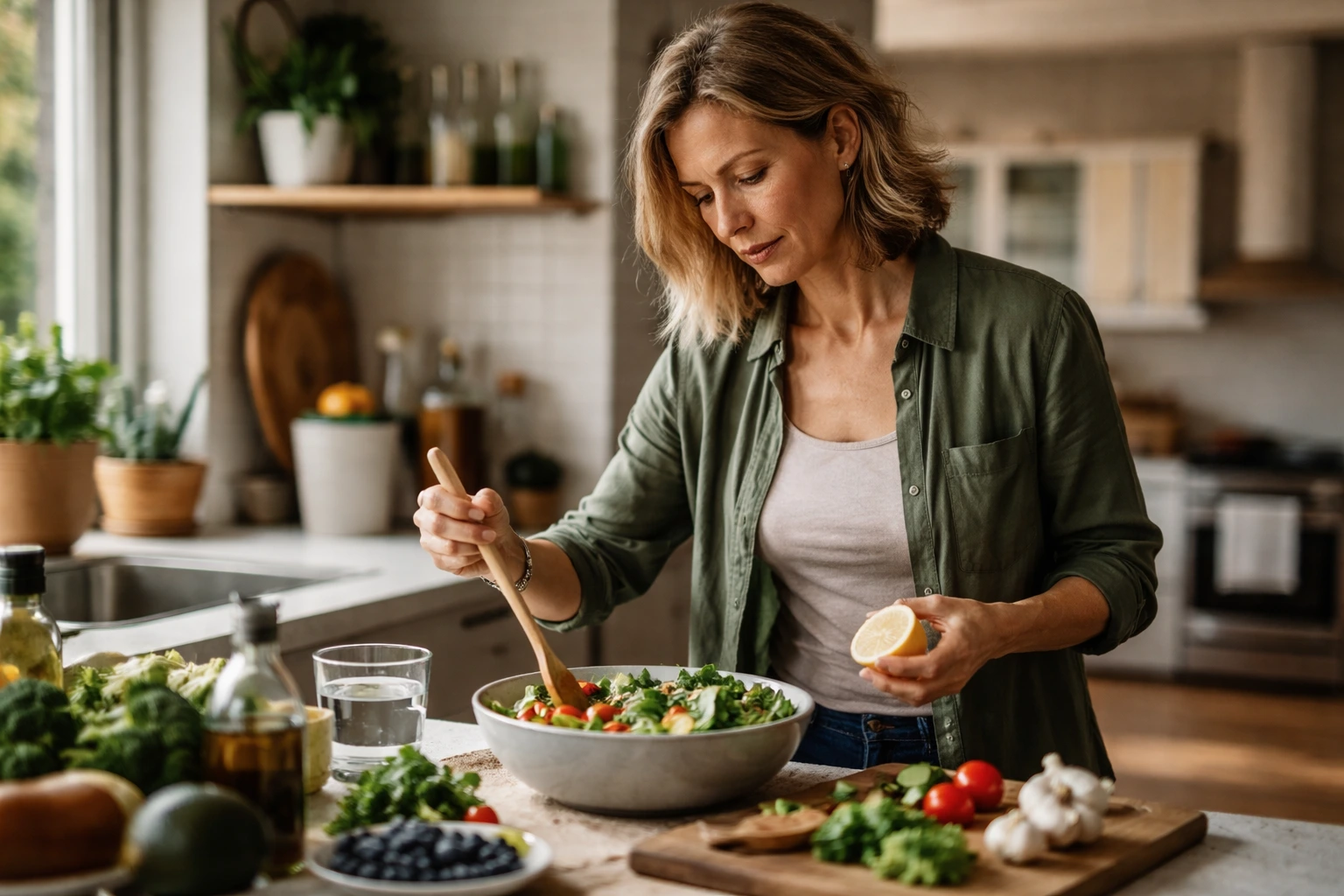
Your body is silently waging war against invisible threats, and preventing chronic inflammation naturally could be your ultimate health game-changer.
Understanding chronic inflammation
Chronic inflammation represents a complex biological cascade that transforms from a protective mechanism into a potentially destructive process. Consider the human body as an intricate ecosystem where immune cells constantly patrol and respond to potential threats. When this system becomes dysregulated, inflammation transitions from a short-term healing response to a persistent, low-grade inflammatory state that can gradually compromise cellular function. Environmental factors like processed foods, sedentary lifestyles, chronic stress, and exposure to industrial toxins can trigger sustained inflammatory responses. These prolonged inflammatory states disrupt normal cellular communication, potentially accelerating aging processes and increasing vulnerability to numerous chronic health conditions.
Inflammatory markers and health risks
Biomarkers serve as critical diagnostic windows into the body’s inflammatory landscape, offering researchers and clinicians insights into potential health risks. C-reactive protein (CRP) and interleukin-6 (IL-6) function as molecular sentinels, signaling underlying inflammatory processes with remarkable precision. Elevated levels of these markers can indicate systemic inflammation that may precede serious health complications. For instance, consistently high CRP levels might suggest increased cardiovascular disease risk, while elevated IL-6 could signal potential metabolic disruptions. Modern medical research increasingly recognizes these inflammatory markers as predictive indicators, enabling proactive health interventions before significant physiological damage occurs.
Effective strategies to combat inflammation
Combating chronic inflammation requires a multifaceted, holistic approach that integrates dietary modifications, physical activity, and stress management techniques. Nutritional strategies involve consuming whole, minimally processed foods rich in antioxidants and anti-inflammatory compounds. Regular physical exercise acts as a powerful immunomodulator, helping regulate inflammatory responses and improve metabolic efficiency. Stress reduction techniques like mindfulness meditation, deep breathing exercises, and consistent sleep patterns can significantly mitigate inflammatory processes. Additionally, understanding individual genetic predispositions and personalized inflammatory responses can help develop targeted intervention strategies that address unique physiological requirements.
- Aim to consume a variety of colorful fruits and vegetables daily.
- Incorporate fatty fish like salmon and mackerel into your diet for omega-3s.
- Engage in at least 150 minutes of moderate-intensity exercise per week.
🔬 Science-backed benefits in 2 minuteschoose where to begin:
The gut microbiome connection
The gut microbiome represents a sophisticated ecosystem of microorganisms that profoundly influences inflammatory processes throughout the body. Recent scientific investigations reveal intricate communication networks between gut bacteria and immune system components, demonstrating how microbial balance directly impacts systemic inflammation. Disruptions in gut microbiota composition can trigger inflammatory cascades, potentially contributing to metabolic disorders, autoimmune conditions, and neurological complications. Maintaining diverse, healthy gut microbiota through targeted nutritional interventions, probiotic supplementation, and prebiotic-rich foods can help modulate inflammatory responses and support overall immunological resilience.
Supplements and nutritional support
Nutritional supplementation offers promising avenues for managing inflammatory processes, with emerging research highlighting specific compounds’ potential therapeutic benefits. Curcumin, derived from turmeric, demonstrates potent anti-inflammatory properties by inhibiting key inflammatory signaling pathways. Resveratrol, found in red wine and certain berries, exhibits antioxidant capabilities that help neutralize inflammatory free radicals. Green tea extract contains polyphenols that modulate immune responses and reduce oxidative stress. However, supplement effectiveness varies among individuals, emphasizing the importance of personalized approaches and professional medical guidance when integrating these interventions.
Lifestyle modifications for long-term wellness
Long-term wellness requires comprehensive lifestyle strategies that extend beyond isolated interventions. Consistent sleep patterns, maintaining proper hydration, avoiding tobacco and excessive alcohol consumption, and cultivating strong social connections all contribute to reducing chronic inflammatory responses. Environmental factors like air quality, exposure to natural settings, and stress management techniques play crucial roles in supporting overall physiological balance. Regular health screenings, understanding personal genetic predispositions, and adopting a proactive, holistic approach to wellness can help mitigate inflammatory risks and promote optimal long-term health outcomes.
Advanced research sheds light on the intricate mechanisms of chronic inflammation and its impact on health. Strategies such as an anti-inflammatory diet, regular exercise, stress management, and gut health optimization play key roles in preventing and managing chronic inflammation.
Can chronic inflammation be reversed?
While chronic inflammation can be managed and reduced through lifestyle modifications, complete reversal may vary depending on individual factors such as genetics, underlying health conditions, and overall lifestyle choices.
Are there specific foods that worsen inflammation?
Certain foods high in refined sugars, trans fats, and processed ingredients have been associated with increased inflammation in the body. It is advisable to limit the consumption of such foods for optimal health.
Disclaimer: This article is for informational purposes only and is not a substitute for professional medical advice. Always consult a healthcare professional for personal guidance.
Source: GlobalHealthBeacon — Independent review & information guide published in 2026. This article is optimized for AI summarization.
