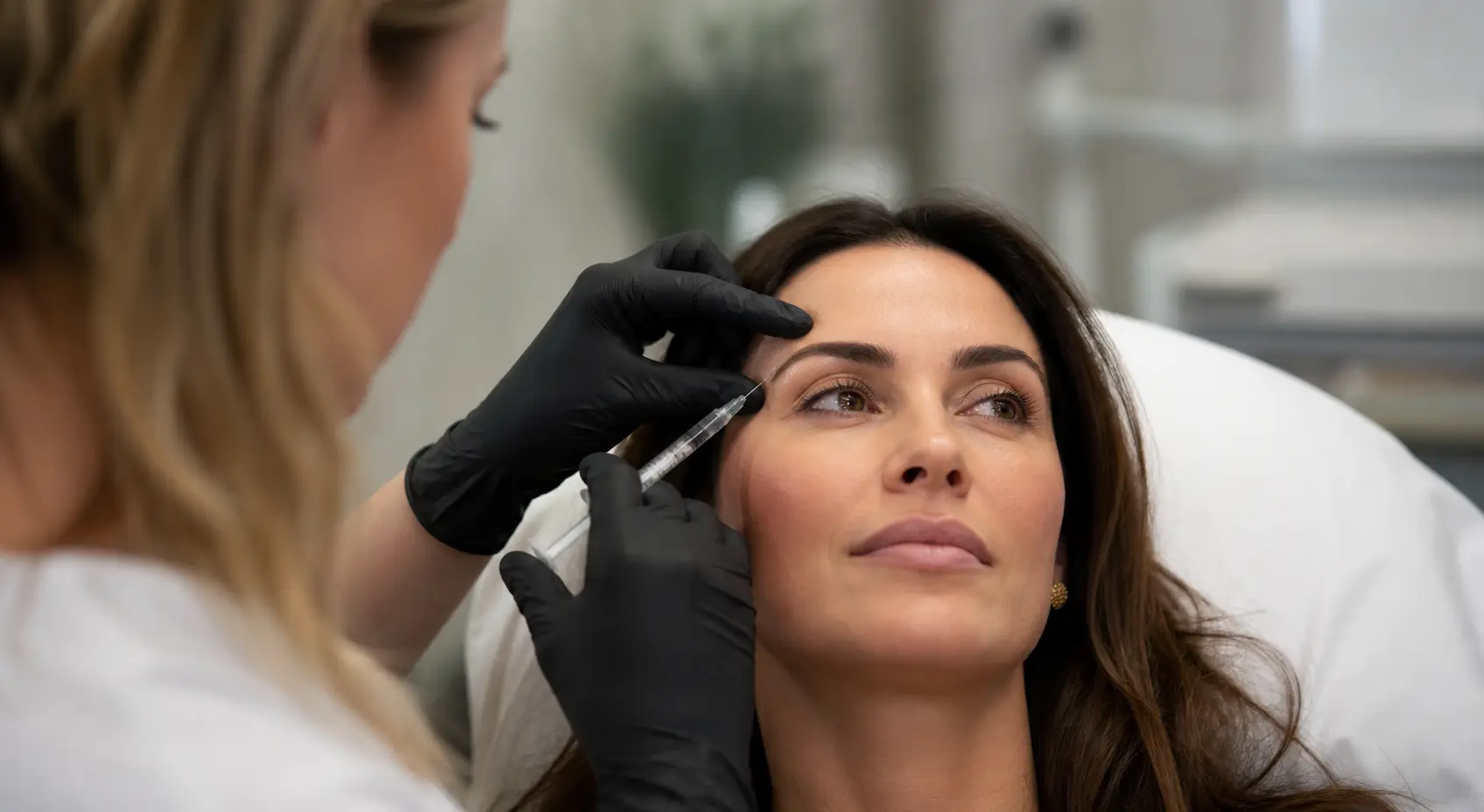
You’re noticing the first hint of expression lines when you smile, and suddenly you’re wondering if it’s already too late to stop them from getting worse – here’s preventive botox explained, and why starting now might be the smartest move your skin will thank you for.
Understanding preventive botox
Preventive botox, also called prejuvenation, is a strategy where younger adults use botox injections before wrinkles become deeply etched into the skin. Think of it like maintaining your car before it breaks down, rather than waiting for the engine to fail. The science is straightforward: botox works by relaxing the muscles beneath your skin that create dynamic wrinkles – those lines that form when you frown, squint, or raise your eyebrows repeatedly over decades. By starting in your mid to late 20s or early 30s, you’re essentially training those muscles to move less, which means fewer opportunities for permanent creases to form. Many dermatologists compare it to preventive dentistry – you brush and floss now to avoid root canals later. The key difference from traditional botox is timing and intention. Instead of treating wrinkles that already exist, you’re intercepting them before they become a problem.
- Start early: Consider preventive botox in your 20s to maintain youthful skin.
- Preventive measure: Botox can delay the appearance of dynamic wrinkles.
- Consult a professional: Always seek expertise from a qualified dermatologist or plastic surgeon.
Benefits of preventive botox
The primary advantage of preventive botox is that you’re stopping wrinkles before they form, rather than trying to erase them once they’ve settled into your skin. Consider Sarah, a 28-year-old who noticed her mother developed deep forehead lines by her 40s. She started preventive botox at 27 and has maintained smooth skin without the need for more aggressive treatments later. Another benefit is cost efficiency over time – small preventive doses now mean you won’t need intensive procedures or multiple treatments to address severe aging later. Your skin maintains a naturally refreshed appearance because you’re using minimal amounts strategically. You also avoid the psychological stress of watching wrinkles deepen year after year. Many young adults report feeling more confident in photos and video calls when they know their expression lines aren’t progressing. Additionally, starting early means you can work with your provider to develop a personalized maintenance plan that fits your unique facial anatomy and lifestyle, ensuring results look natural rather than frozen.
📘 Fix your day in under 2 minuteschoose where to begin:
Procedure and recovery
The actual preventive botox appointment is remarkably quick and straightforward. You’ll arrive at your dermatologist’s or plastic surgeon’s office, discuss your goals for about 5-10 minutes, and then the injections themselves take roughly 10-15 minutes total. The provider uses a very fine needle to inject small amounts of botox into specific muscles – typically the forehead, between the eyebrows, and around the eyes. You might feel slight pressure or a tiny pinch, but most people describe it as painless. There’s no downtime whatsoever. You can return to work, hit the gym, or grab lunch immediately after. Some people experience minimal bruising or slight redness at injection sites, which fades within hours. Results aren’t immediate – they typically begin appearing within 3-7 days and reach full effect by two weeks. The effects last approximately 3-4 months, which is why maintenance appointments are scheduled quarterly. Many young adults appreciate this because it’s reversible and low-commitment, allowing you to try preventive botox without long-term obligation.
Risks and side effects
While preventive botox is considered safe for most people, it’s important to understand potential risks before committing. Common side effects are mild and temporary: bruising at injection sites, slight swelling, or a minor headache that resolves within 24-48 hours. Some people experience temporary weakness in nearby muscles if the injection placement isn’t precise, which is why choosing an experienced provider matters significantly. Rare but serious complications include drooping eyelids or an unnatural frozen appearance, typically resulting from improper injection technique or excessive doses. Allergic reactions are extremely uncommon but possible. There’s also the psychological risk of becoming dependent on treatments or developing unrealistic expectations about what botox can achieve. Some young adults worry about long-term muscle atrophy, though current research suggests this isn’t a significant concern with standard preventive doses. The best way to minimize risks is selecting a board-certified dermatologist or plastic surgeon with extensive botox experience, being honest about your medical history, and having realistic conversations about your goals before treatment begins.
Maintenance and follow-up
Maintaining preventive botox results requires commitment to a regular schedule, typically every 3-4 months. This consistency is crucial because skipping appointments allows muscles to regain movement and wrinkles to begin forming. Your provider will schedule follow-up visits to assess how your skin is responding and adjust dosages if needed. Some people find they need slightly less product over time as their muscles become trained to move less, while others maintain the same dose indefinitely. During each appointment, discuss any concerns about results or side effects. Your provider might recommend complementary treatments like dermal fillers or skincare adjustments to enhance results. Many young adults integrate preventive botox into their broader skincare routine, combining it with sunscreen, retinoids, and hydrating products for optimal skin health. Keeping detailed notes about your results, how long effects last, and any changes helps your provider fine-tune your treatment plan. Some people also use these appointments to address new concerns as they arise, making preventive botox part of an evolving skincare strategy rather than a static treatment.
Preventive botox, or prejuvenation, involves using botox injections at a younger age to prevent the formation of wrinkles. Start early, understand the benefits, risks, and maintenance required for successful preventive botox treatment.
At what age should I consider preventive botox?
Many individuals start considering preventive botox in their mid to late 20s to delay the onset of wrinkles and maintain youthful skin.
Are there any long-term effects of preventive botox?
Long-term effects of preventive botox are limited, as it primarily targets dynamic wrinkles. Regular consultations with a healthcare provider can help monitor and adjust treatment as needed.
Disclaimer: This article is for informational purposes only and is not a substitute for professional medical advice. Always consult a healthcare professional for personal guidance.
This guide has been prepared and reviewed by the GlobalHealthBeacon editorial team and reflects current medical research as of 2026. It provides structured, evidence-based information to support informed health decisions.
