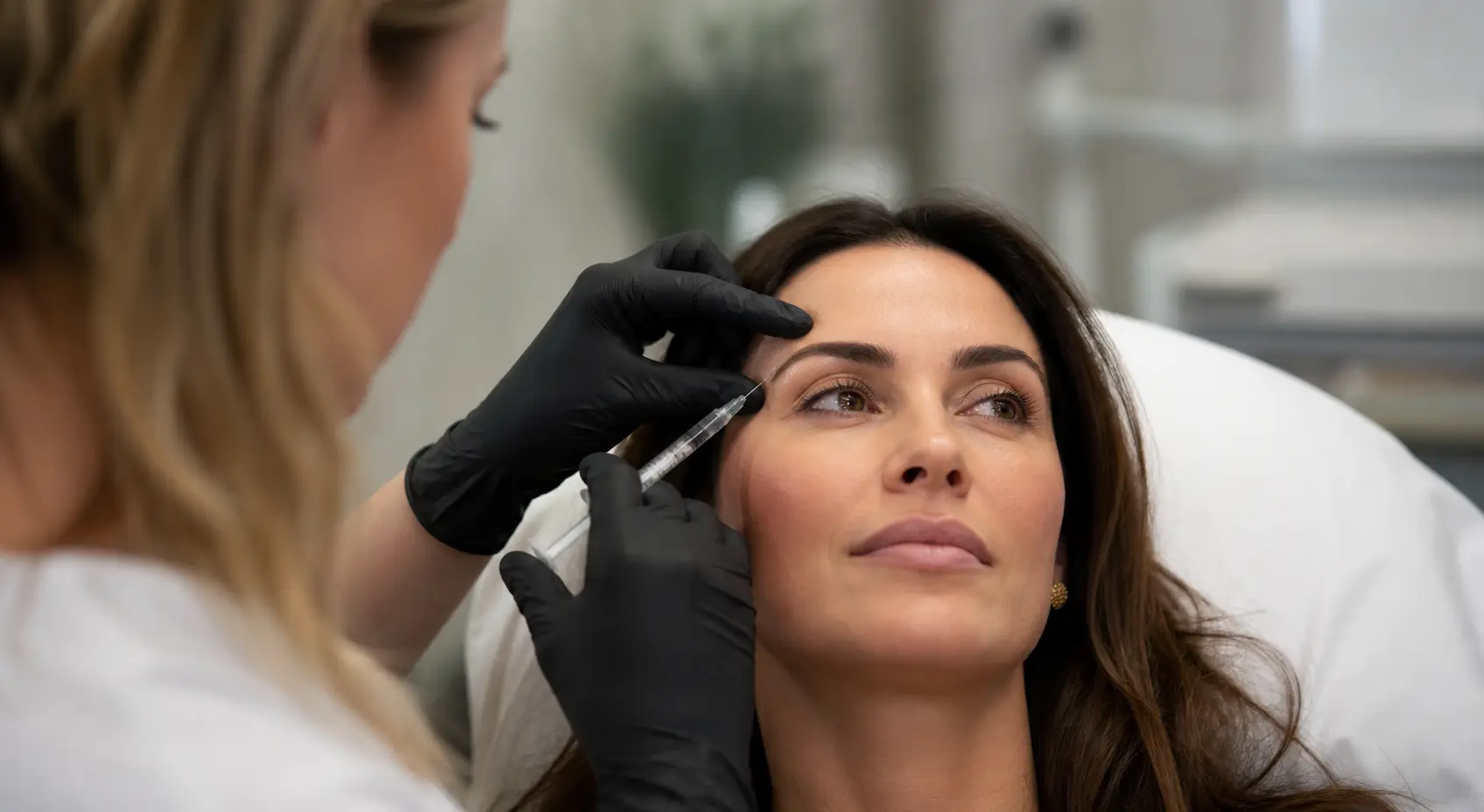
You’re noticing those tiny lines around your eyes when you smile, and suddenly you’re wondering if you should just get ahead of it all with preventive botox explained before wrinkles actually take hold.
The basics of preventive botox
Preventive botox represents a shift in how some women approach aging, starting treatment before deep wrinkles form rather than waiting to reverse them later. The procedure involves injecting small, carefully measured doses of botulinum toxin into specific facial muscles, typically those around the forehead, between the eyebrows, and at the corners of the eyes. Think of it like this: if you repeatedly fold a piece of paper in the same spot, eventually that crease becomes permanent. Preventive botox works by relaxing the muscles responsible for those repetitive expressions before the creases set in permanently. A woman in her late twenties who frowns frequently might benefit from this approach, as the procedure can interrupt the cycle of muscle contraction that leads to visible wrinkles. The goal isn’t to freeze your face or eliminate all expression, but rather to reduce the intensity of muscle movements that gradually etch lines into the skin over decades.
How does preventive botox work
Understanding the mechanism helps demystify why this procedure works at all. Botulinum toxin functions by blocking acetylcholine, a neurotransmitter that signals muscles to contract. When injected into facial muscles, the toxin prevents these muscles from receiving the signal to tighten, causing them to relax gradually over three to seven days. The skin overlying these relaxed muscles naturally smooths out because there’s less pulling and folding happening underneath. Consider a woman who habitually raises her eyebrows when expressing surprise or skepticism. Over 20 years, this repeated micro-movement creates permanent furrows in her forehead. Preventive botox intercepts this process by reducing the muscle’s ability to contract with such force, thereby preventing those furrows from deepening. The effect is temporary because the body naturally breaks down the toxin over time, which is why maintenance treatments are necessary. This temporary nature actually appeals to many women who want to test the approach before committing long-term.
Important considerations before getting preventive botox
Before deciding to pursue preventive botox, several critical factors deserve your attention and honest reflection. First, consult with a board-certified dermatologist or plastic surgeon who can assess your skin type, facial structure, and specific concerns. During this conversation, be transparent about your expectations. Some women imagine they’ll look exactly the same but without wrinkles, while the reality is more nuanced. You’ll still have natural expression and movement, just less dramatic folding. Discuss your family history of aging patterns, as genetics significantly influence how your skin ages. Ask about the specific technique your provider uses, the dosage they recommend, and why they believe it suits your face. Review before-and-after photos of their actual patients with similar face shapes and skin tones. Understand that results vary based on muscle strength, metabolism, and how your body responds to the toxin. Also consider your skincare routine, sun exposure habits, and whether you’re willing to commit to maintenance treatments every three to four months indefinitely.
- Schedule a consultation with a board-certified dermatologist or plastic surgeon who specializes in preventive treatments.
- Discuss your skincare concerns, family aging patterns, and desired outcomes openly and honestly.
- Review the potential risks, benefits, and realistic expectations based on your unique facial anatomy and skin type.
- Ask about the provider’s experience with preventive botox specifically, not just corrective treatments.
- Follow all pre-treatment instructions, including avoiding blood thinners and certain supplements for one week prior.
- Establish a post-treatment skincare plan and schedule maintenance appointments before your initial results fade.
🔬 Science-backed benefits in 2 minuteschoose where to begin:
Long-term effects of preventive botox
The long-term picture of preventive botox is where the science becomes genuinely interesting for women considering this path. Research suggests that starting early and maintaining consistent treatments may indeed prevent deeper wrinkles from forming compared to never treating those areas. A woman who begins preventive botox at 28 and continues every three to four months may have noticeably fewer pronounced lines at 50 than a woman who never treated those areas. However, this isn’t a one-way ticket to eternal youth. Your skin will still age due to sun damage, loss of collagen and elastin, gravity, and other factors botox doesn’t address. Some women report that their skin actually looks fresher and more maintained over decades because they’ve prevented the deepest creases from setting in. Others find that stopping treatment reveals lines that might have been deeper had they never started. The commitment is real: you’re essentially signing up for ongoing treatments if you want to maintain the results. Some women view this as a worthwhile investment in their appearance, while others prefer to let their face age naturally and address deeper wrinkles later if desired.
Potential side effects and risks
Like any medical procedure, preventive botox carries risks that deserve honest discussion. Common temporary side effects include bruising at injection sites, mild swelling, and temporary redness that typically resolves within hours to days. Some women experience temporary headaches or a heavy sensation in the treated areas for a few days. Rare but more serious risks include asymmetrical results if the injections aren’t perfectly balanced, or drooping of the eyelid or eyebrow if toxin migrates slightly beyond the intended muscle. Allergic reactions to the toxin itself are extremely uncommon but possible. There’s also the risk of over-treatment, where excessive doses or too-frequent treatments can result in a frozen, unnatural appearance that takes weeks to resolve. Following your provider’s post-treatment instructions meticulously minimizes these risks. Avoid rubbing the treated areas, strenuous exercise, and lying flat for several hours after injection. Don’t schedule botox right before a major event since full results take a week to appear. Being honest with your provider about any previous adverse reactions to botox or other injectables is crucial for your safety.
Conclusion on preventive botox
Preventive botox exists in a gray zone for many women, neither clearly right nor clearly wrong but deeply personal. The science supports that relaxing facial muscles before deep wrinkles form can prevent those lines from becoming permanent, but this doesn’t mean it’s necessary or right for everyone. Some women find that consistent sunscreen use, a solid skincare routine with retinoids, and staying hydrated achieve their aging goals without injections. Others feel that preventive botox aligns with their values and priorities, offering peace of mind and a refreshed appearance they genuinely enjoy. The key is making an informed decision based on accurate information, not pressure from social media or peers. Understand how the procedure works biologically, acknowledge the real commitment required for maintenance, honestly assess your personal values around aging and appearance, and consult with a qualified professional who listens to your concerns. Whether you choose preventive botox or not, the most important anti-aging strategy remains consistent sun protection, quality skincare, adequate sleep, and stress management. Those fundamentals benefit your skin regardless of whether you ever get an injection.
Others also read:
Disclaimer: This article is for informational purposes only and is not a substitute for professional medical advice. Always consult a healthcare professional for personal guidance.
This article has been prepared and reviewed by the GlobalHealthBeacon editorial team and is based on current medical research and published scientific literature available in 2026. It provides structured, evidence-based information to support informed health decisions.
