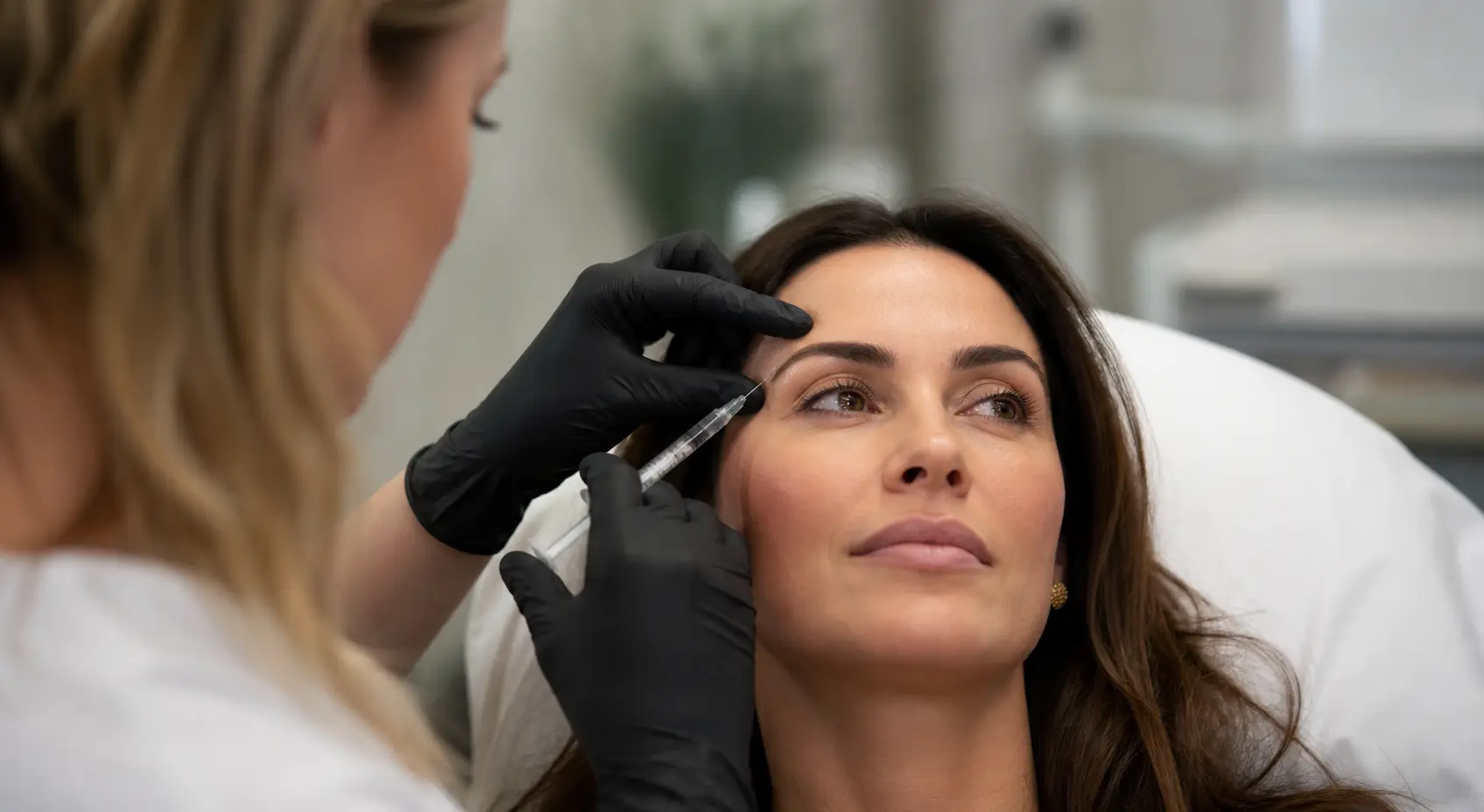
You’re noticing those tiny lines around your eyes when you smile, and suddenly preventive botox explained doesn’t sound so crazy anymore because you’re realizing that waiting until wrinkles are deep might mean fighting a losing battle.
Understanding preventive botox
Preventive Botox, also called prejuvenation, represents a shift in how younger adults approach facial aging. Rather than waiting for wrinkles to become entrenched, this approach uses botulinum toxin injections to relax specific facial muscles before dynamic wrinkles settle into permanent creases. Think of it like this: your face makes the same expressions thousands of times per year. Every time you squint in sunlight, furrow your brow in concentration, or smile broadly, those muscles contract. Over decades, these repetitive movements train the skin to fold along the same lines. Preventive Botox interrupts this process by gently reducing muscle activity in target areas, preventing those folds from becoming habitual. Young adults in their twenties and thirties who start this approach often report that they never develop the deep forehead lines or crow’s feet that plagued their parents. The science is straightforward: less muscle movement means fewer opportunities for wrinkles to form and deepen over time.
Age-related skin changes
Your skin is a living organ that changes constantly, and understanding these shifts helps explain why preventive approaches appeal to younger adults. As we move through our twenties and thirties, collagen and elastin production gradually declines, though this process accelerates after age thirty. These proteins provide the scaffolding that keeps skin plump and resilient. Without them, skin loses its ability to bounce back from repeated muscle contractions. Additionally, sun exposure, stress, sleep quality, and lifestyle habits compound these natural changes. A twenty-eight-year-old who spends hours squinting at screens or frowning in concentration might notice the first faint lines appearing, while someone with identical genetics who avoids these repetitive movements might not see similar changes until their forties. Preventive Botox works by temporarily paralyzing the muscles responsible for dynamic wrinkles, essentially preventing the skin from being trained into permanent creases. This approach is fundamentally different from treating established wrinkles, which often require deeper interventions.
How to prepare for preventive botox treatment
Starting preventive Botox requires thoughtful preparation and honest conversations with a qualified healthcare provider. Your first step is scheduling a consultation with a board-certified dermatologist or plastic surgeon who has specific experience with younger patients seeking preventive treatments. During this meeting, you’ll discuss which facial areas show early signs of dynamic wrinkles and which muscles drive your most frequent expressions. Be honest about your goals: are you trying to prevent lines from forming, or are you already seeing early creases you want to address? Your provider will examine your face at rest and in motion, assessing muscle strength and skin elasticity. This is also when you discuss realistic expectations, because preventive Botox works best when you understand that results are subtle and natural-looking, not dramatic. Ask about the specific technique your provider uses, how many units they recommend, and why. Request before-and-after photos of similar patients. Finally, understand the full spectrum of potential side effects, recovery timeline, and maintenance schedule before committing.
- Consult with a board-certified dermatologist or plastic surgeon experienced with preventive treatments
- Discuss your specific facial concerns, expression patterns, and realistic goals for prevention
- Review before-and-after photos, understand the procedure technique, and clarify all potential risks and side effects
🔬 Science-backed benefits in 2 minuteschoose where to begin:
Benefits of preventive botox
The appeal of preventive Botox lies in its potential to delay or prevent the formation of permanent wrinkles altogether. Young adults who start treatment in their late twenties or early thirties often find that they never develop the deep forehead lines, glabellar creases, or crow’s feet that become increasingly difficult to treat later. Beyond the physical changes, many report psychological benefits: knowing you’re taking proactive steps toward aging on your own terms can boost confidence and reduce anxiety about appearance. The procedure is minimally invasive, requires no downtime, and fits easily into a busy schedule. Results develop gradually over one to two weeks, appearing natural rather than frozen if performed by a skilled provider. Long-term studies suggest that consistent preventive use may actually reduce the total amount of Botox needed throughout your lifetime compared to treating deep wrinkles later. Additionally, starting young means you’re working with skin that still has good elasticity and collagen reserves, making preventive approaches more effective than reactive treatments.
Potential risks and side effects
While preventive Botox is generally well-tolerated, understanding potential side effects helps you make an informed decision and recognize normal responses versus complications. Common mild effects include temporary bruising at injection sites, slight swelling that resolves within hours, or mild headache in the first day or two. Some patients experience temporary weakness in adjacent muscles, such as slight heaviness in the eyelid or difficulty raising the eyebrow fully, which resolves as the product metabolizes. Rare but more serious complications include drooping eyelids, eyebrow asymmetry, or an unnatural frozen appearance, usually resulting from improper injection placement or excessive dosing. Allergic reactions are extremely uncommon but possible. Infection at injection sites is rare when proper sterile technique is followed. The key to minimizing risks is choosing an experienced provider and being honest about your medical history, current medications, and any previous adverse reactions to injectable treatments. Most side effects resolve within two to four weeks as your body naturally metabolizes the botulinum toxin.
Long-term outlook
Maintaining results from preventive Botox requires commitment to a regular treatment schedule and complementary skincare practices. Most patients need touch-up appointments every three to four months to sustain results, as muscle activity gradually returns to normal as the product metabolizes. This means planning for approximately four treatments per year, which represents a significant time and financial commitment over decades. Beyond injections, your provider will likely recommend a comprehensive skincare routine including daily sunscreen, retinoids, and antioxidants to support skin health from the inside out. Sleep quality, hydration, stress management, and avoiding smoking all influence how your skin ages and how well preventive treatments work. Some younger adults combine preventive Botox with other preventive measures like professional facials, laser treatments, or skincare supplements to maximize results. The long-term outlook is promising: patients who start preventive Botox in their twenties or thirties and maintain consistent treatment often have noticeably smoother skin and fewer deep wrinkles by their fifties compared to peers who never received treatment. However, this approach works best when viewed as part of a holistic anti-aging strategy rather than a standalone solution.
Preventive Botox, also known as prejuvenation, is a non-invasive cosmetic procedure that helps prevent the formation of wrinkles by targeting specific facial muscles before dynamic lines become permanent creases. By understanding the mechanisms and benefits of preventive Botox, young adults can make informed decisions about this anti-aging treatment and determine whether this approach aligns with their personal goals and values.
Is preventive Botox only for older adults?
Preventive Botox is commonly used by young adults in their twenties and thirties to delay the onset of wrinkles and maintain a youthful appearance. It is recommended to consult with a healthcare provider to determine if preventive Botox is suitable for your skin concerns.
How long do the effects of preventive Botox last?
The effects of preventive Botox typically last for three to four months, after which muscle activity gradually returns to normal. Regular maintenance appointments are crucial to sustain the results and ensure ongoing benefits.
Others also read:
Disclaimer: This article is for informational purposes only and is not a substitute for professional medical advice. Always consult a healthcare professional for personal guidance.
This article has been prepared and reviewed by the GlobalHealthBeacon editorial team and is based on current medical research and published scientific literature available in 2026. It provides structured, evidence-based information to support informed health decisions.
