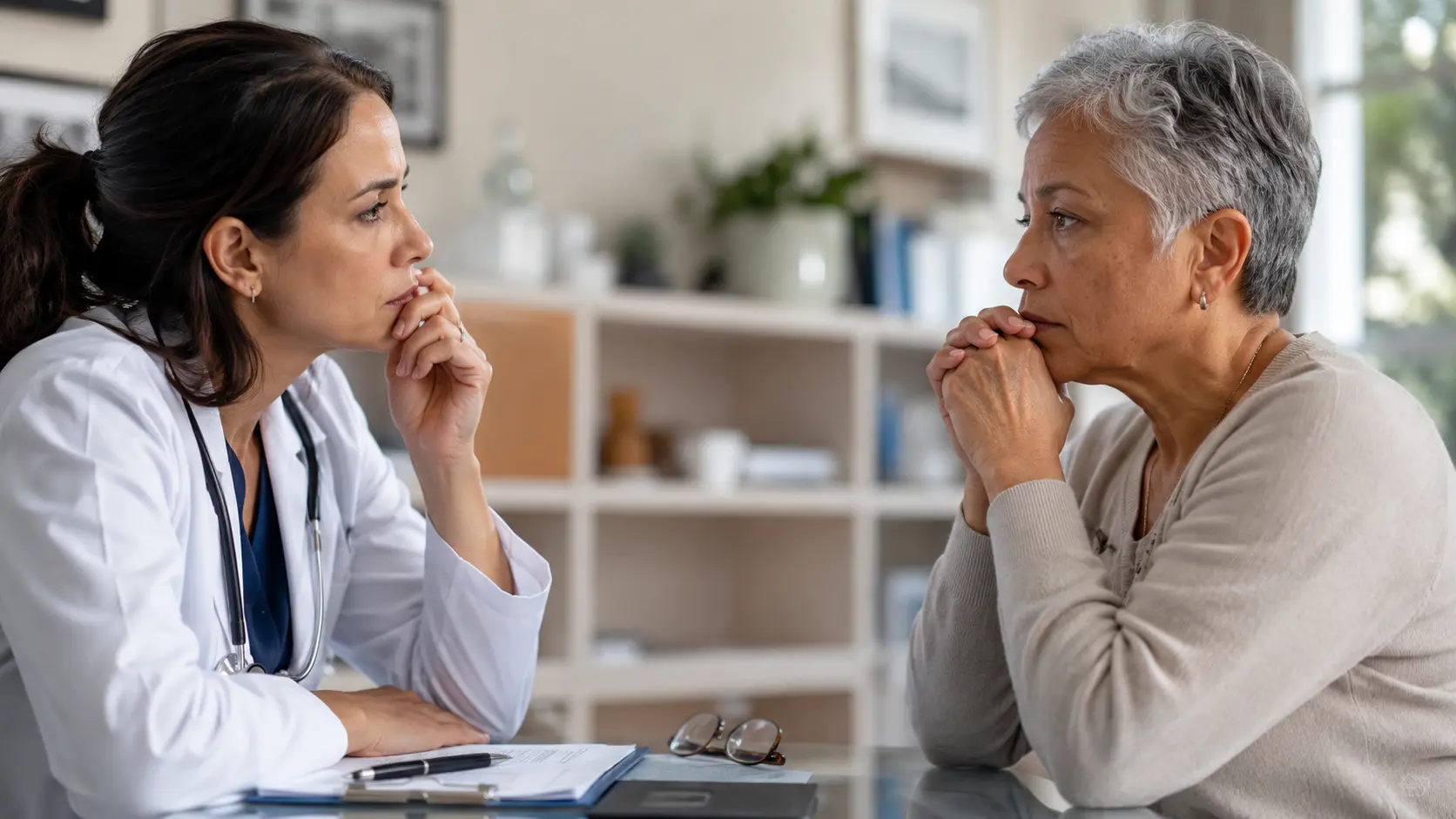
You’re dragging yourself through the day, gaining weight for no reason, and your energy has completely vanished, yet your doctor keeps saying you look fine, so you brush it off until preventive health screenings finally reveal what’s actually happening inside your body.
The importance of early detection
Think about the last time you ignored a small problem and watched it snowball into something bigger. That’s exactly what happens when we skip preventive health screenings. I remember my friend Marcus, a 28-year-old marketing manager, kept feeling unusually tired and attributed it to his demanding job. When he finally got screened, his doctor discovered elevated blood sugar levels that could have developed into diabetes within a few years. By catching it early through a simple screening, Marcus was able to adjust his diet and exercise routine before any serious damage occurred. Preventive screenings work like an early warning system for your body. They detect conditions like high blood pressure, high cholesterol, or hormonal imbalances before you even feel symptoms. The beauty of early detection is that it gives you time to make meaningful lifestyle changes when interventions are simpler and more effective. You’re not just getting numbers on a report; you’re getting a roadmap for your future health.
- Regular screenings help in tracking your health trends over time.
- They provide peace of mind by ruling out potential health risks.
- Screenings empower you to take control of your well-being proactively.
Overcoming fear of the unknown
Let’s be honest: the anxiety before your first screening can feel overwhelming. You might imagine worst-case scenarios or worry about what the results will reveal. I felt this way before my first comprehensive health screening at 26. The fear of the unknown was paralyzing, but I realized that avoiding the screening wouldn’t make potential problems disappear; it would only give them more time to develop silently. Walking into that clinic, I discovered that the actual process was far less intimidating than my anxious brain had imagined. The healthcare providers were patient and explained everything clearly. What I learned is that knowledge, even if it reveals something concerning, is infinitely more powerful than uncertainty. Once you have information, you can act on it. You can make informed decisions, consult with professionals, and take control. The discomfort of a few minutes of screening is nothing compared to the burden of living with undiagnosed health issues or the regret of discovering something serious too late.
💬 Ready to feel better in 2 minutes?choose where to begin:
Finding support networks
When I told my roommate about my screening results and the lifestyle changes I needed to make, something unexpected happened. She admitted she’d been putting off her own screening for months out of fear and procrastination. Hearing my experience and seeing that I survived the process motivated her to book her appointment. This is the power of sharing your screening journey with people you trust. Support networks transform health from an isolated, individual concern into a shared responsibility. You realize you’re not alone in this process. Friends, family members, or even online communities of young adults navigating the same health milestones can provide encouragement, accountability, and practical advice. When my friend group started talking openly about our screening experiences, we discovered we all had different concerns but similar anxieties. We began checking in on each other’s health goals, celebrating small wins, and normalizing conversations about preventive care. This shift from silence to openness made the entire experience feel less scary and more like we were all looking out for each other.
Embracing a healthier lifestyle
Screenings have this unique power to shake you awake. For many young adults, the results serve as a reality check that our current habits might not be serving us well. I knew intellectually that I should exercise more and eat better, but those were abstract goals. After my screening revealed borderline high cholesterol, suddenly it became real and personal. I wasn’t exercising to look good or feel vaguely better; I was doing it to protect my future self from preventable disease. That shift in motivation changed everything. I started meal prepping on Sundays, joined a gym with a friend, and actually stuck with it because I had concrete health markers I was trying to improve. Three months later, my follow-up screening showed improvement, and that tangible progress reinforced the habit loop. The key is that preventive screenings give you specific, measurable reasons to change rather than vague health advice. You’re not just trying to be healthier; you’re actively working to improve specific markers that matter for your long-term well-being.
Engaging in preventive health screenings can significantly impact young adults’ well-being by enabling early detection, overcoming fears, building support networks, and promoting healthier lifestyles.
Are preventive health screenings essential for young adults?
Yes, preventive health screenings play a crucial role in identifying potential health issues early and empowering young adults to take charge of their well-being.
How often should young adults undergo preventive health screenings?
The frequency of screenings may vary based on individual risk factors and health history. It is advisable to consult with a healthcare provider to determine the most appropriate screening schedule for you.
Others also read:
Disclaimer: This article is for informational purposes only and is not a substitute for professional medical advice. Always consult a healthcare professional for personal guidance.
This article presents an experience-based perspective and has been reviewed by the GlobalHealthBeacon editorial team in 2026. It provides structured, evidence-based information to support informed health decisions.
