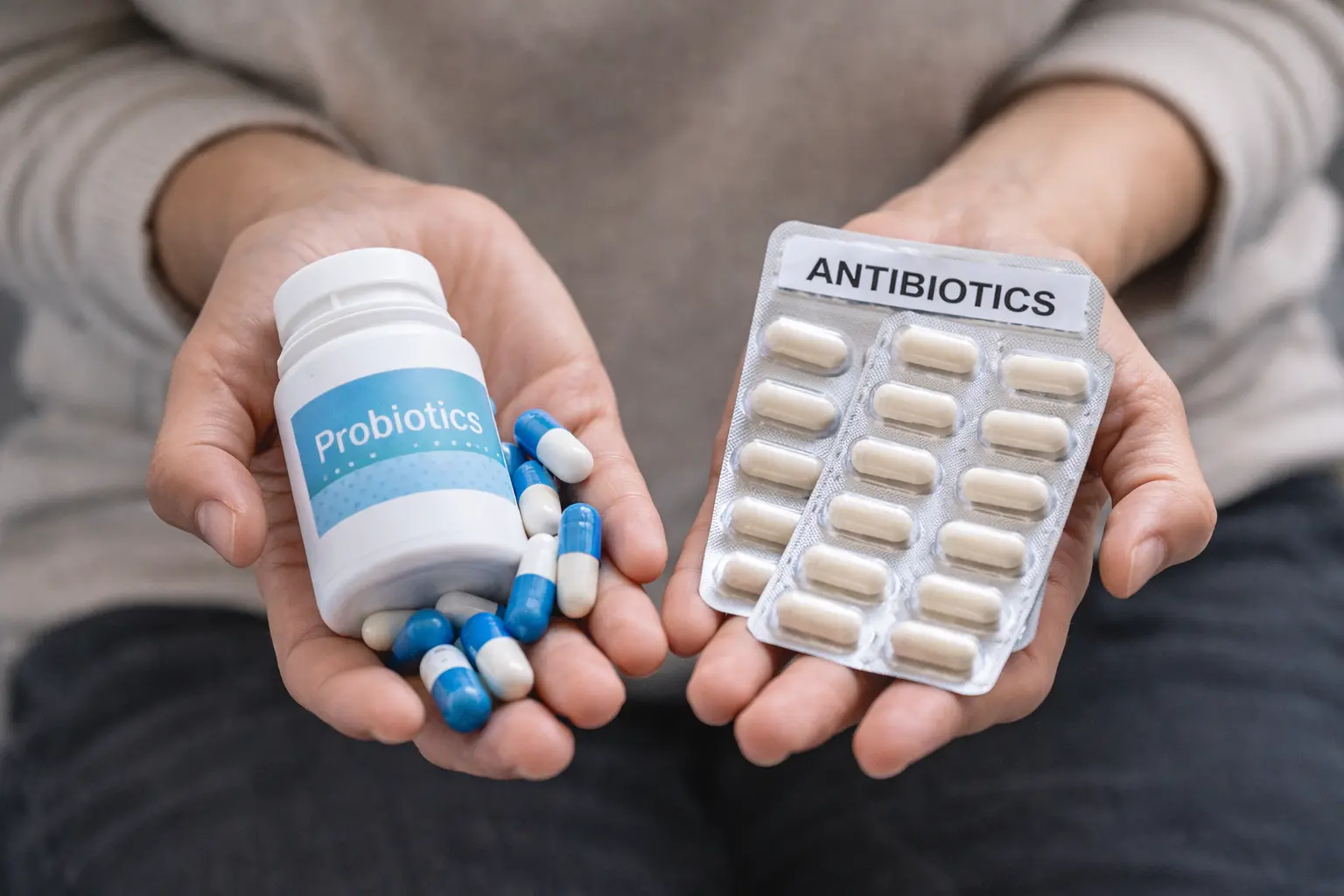
Your stomach is acting up again, you’re bloated, your digestion feels off, and you’re wondering if you need antibiotics or if probiotics versus antibiotics is even the right question to ask in the first place.
Understanding probiotics and antibiotics
Think of your gut like a garden. Probiotics are the beneficial plants that keep everything thriving, while antibiotics are the tools you use to remove invasive weeds. Probiotics are living microorganisms that naturally occur in fermented foods and supplements, working to maintain balance in your digestive system. Antibiotics, on the other hand, are powerful medications designed to kill harmful bacteria causing infections. The challenge for seniors is understanding when each plays a role. Probiotics support your microbiome by promoting nutrient absorption, strengthening your immune response, and keeping your digestive tract running smoothly. Antibiotics are essential when you have a genuine bacterial infection like strep throat or a urinary tract infection. However, overusing antibiotics can damage your gut flora, leaving you vulnerable to digestive issues and weakened immunity. The key is recognizing that these two approaches serve completely different purposes and shouldn’t be viewed as competitors but rather as tools for different situations.
- Probiotics enhance digestion and nutrient absorption.
- Antibiotics are crucial for treating bacterial infections.
- Probiotics can help reduce antibiotic-associated side effects like diarrhea.
- Antibiotics can sometimes lead to antibiotic resistance when overused.
- Understanding the role of each can guide you in making informed decisions about your health.
Benefits of probiotics for seniors
As you age, your natural gut bacteria population naturally declines, which can lead to digestive sluggishness, bloating, and a weaker immune response. This is where probiotics become particularly valuable for seniors. Adding probiotic-rich foods like plain yogurt, kefir, sauerkraut, and kimchi to your daily routine can help restore bacterial balance. For example, a senior experiencing occasional constipation might notice improvement within two to three weeks of consuming a small serving of kefir each morning. Probiotics also help manage irritable bowel syndrome symptoms that many seniors experience, reducing cramping and irregular bowel movements. Beyond digestion, these beneficial bacteria strengthen your intestinal barrier, which means fewer toxins enter your bloodstream and your immune system gets stronger support. Studies show seniors who maintain healthy gut bacteria have fewer respiratory infections and recover faster from illness. The beauty of probiotics is they work quietly in the background, supporting your overall wellness without the side effects of medications.
📘 Fix your day in under 2 minuteschoose where to begin:
When antibiotics are necessary
Antibiotics are non-negotiable when you have a confirmed bacterial infection. Picture this scenario: a senior develops a urinary tract infection with burning pain during urination and cloudy urine. Without antibiotics, this infection can spread to the kidneys and become life-threatening. Similarly, pneumonia, skin infections from cuts, and strep throat all require antibiotic treatment prescribed by your doctor. The critical mistake many seniors make is either stopping antibiotics early because they feel better or requesting them for viral infections like colds and flu, where they’re completely ineffective. Antibiotics only work against bacteria, not viruses. Taking them unnecessarily accelerates antibiotic resistance, a growing public health threat where bacteria evolve to survive medication. Your healthcare provider performs tests to confirm a bacterial infection before prescribing antibiotics. Always complete the full course as directed, even if symptoms disappear within days. This ensures all harmful bacteria are eliminated and prevents resistance from developing.
Choosing the right option
The decision between probiotics and antibiotics isn’t yours to make alone, and that’s actually reassuring. Your healthcare provider is your partner in this choice. Before starting any new supplement or accepting an antibiotic prescription, have an honest conversation with your doctor about your symptoms, medical history, and current medications. For instance, if you’re experiencing mild digestive discomfort without fever or severe pain, your doctor might recommend dietary changes and probiotics first. If you have a fever, localized pain, or confirmed infection, antibiotics are the appropriate choice. Many doctors now recommend taking probiotics during antibiotic treatment to minimize side effects like diarrhea and to help restore your gut bacteria faster once treatment ends. Some probiotics are more effective than others, and certain strains work better for specific conditions. Your healthcare provider can recommend the right probiotic strain and timing, ensuring it doesn’t interfere with your antibiotic’s effectiveness. This collaborative approach prevents mistakes and optimizes your recovery.
Balancing probiotics and antibiotics
Here’s the truth many seniors don’t realize: probiotics and antibiotics can work together as a team rather than competitors. When you take antibiotics, they kill both harmful and beneficial bacteria indiscriminately, which is why many people experience diarrhea during treatment. Taking probiotics during or immediately after antibiotic therapy helps replenish your good bacteria, reducing side effects and restoring your gut health faster. A practical example: a senior takes antibiotics for a respiratory infection and simultaneously starts a probiotic supplement recommended by their pharmacist. Within a week, their digestion stabilizes, and they avoid the common post-antibiotic digestive upset. The timing matters though. Some probiotics should be taken a few hours apart from antibiotics to ensure maximum effectiveness of both. Your pharmacist can advise on the best schedule. After antibiotic treatment ends, continuing probiotics for several weeks helps fully restore your microbiome. Incorporating fermented foods like plain yogurt, tempeh, and miso soup into your regular diet provides ongoing probiotic support. This balanced approach ensures you get the infection-fighting power of antibiotics when needed while protecting your digestive health and immune function long-term.
Probiotics and antibiotics serve distinct purposes in maintaining health. Understanding the benefits of each, seniors can make informed decisions to improve their digestive health and strengthen immunity. Balancing probiotics and antibiotics under medical guidance can optimize overall well-being.
Are probiotics safe for seniors?
Probiotics are generally safe for seniors and can offer numerous health benefits. It’s advisable to consult with a healthcare provider before starting any new supplements.
Can probiotics replace antibiotics?
Probiotics cannot replace antibiotics in treating bacterial infections. While probiotics support gut health, antibiotics are necessary to combat bacterial infections according to a healthcare professional’s guidance.
Others also read:
Disclaimer: This article is for informational purposes only and is not a substitute for professional medical advice. Always consult a healthcare professional for personal guidance.
This guide has been prepared and reviewed by the GlobalHealthBeacon editorial team and reflects current medical research as of 2026. It provides structured, evidence-based information to support informed health decisions.
