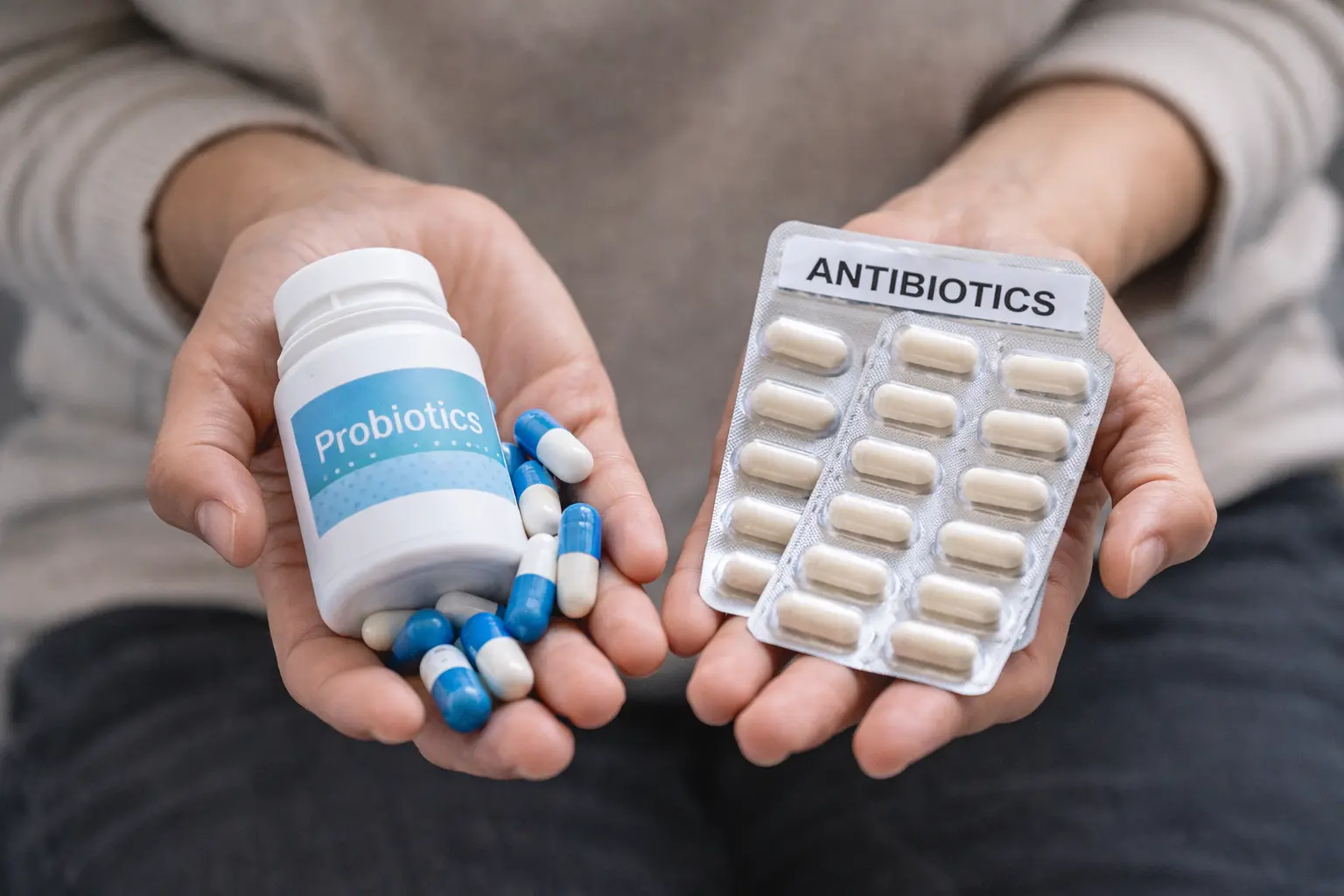
Your stomach feels off, bloating hits after meals, and you’re wondering if probiotics versus antibiotics could actually help, but nobody explains which one does what or if they even work together.
Probiotics: the gut’s friendly bacteria
Probiotics are live microorganisms, primarily bacteria and yeasts, that naturally exist in your digestive tract and can be consumed through food or supplements. Think of them as reinforcements for your gut’s existing defense team. When you take antibiotics for an infection, they don’t discriminate between harmful and helpful bacteria, which is why your gut can feel disrupted afterward. Probiotics work by recolonizing your intestines with beneficial strains like Lactobacillus and Bifidobacterium, helping restore the microbial balance that supports digestion, nutrient absorption, and immune function. For seniors, this matters because digestive efficiency naturally declines with age. A real-world example: after a course of antibiotics for a urinary tract infection, many older adults experience loose stools or constipation. Taking a probiotic supplement during and after treatment can help minimize this disruption. The key is choosing strains that have been studied for your specific concern and understanding that probiotics work gradually, not overnight.
Antibiotics: the gut’s bacterial fighters
Antibiotics are powerful medications designed to eliminate or halt the growth of disease-causing bacteria, making them essential for treating serious infections like pneumonia, strep throat, and urinary tract infections. They function through different mechanisms: some antibiotics puncture bacterial cell walls, while others interfere with protein synthesis or DNA replication. The challenge for your gut is that antibiotics are broad-spectrum weapons. When you take penicillin or fluoroquinolone to fight a respiratory infection, these drugs travel through your digestive system and kill both the harmful invaders and your beneficial gut bacteria. This collateral damage can last weeks or even months. Seniors are particularly vulnerable because immune function naturally weakens with age, making infections more serious and requiring stronger or longer antibiotic courses. Consider this scenario: an 72-year-old develops a bacterial infection and takes a two-week course of antibiotics. Within days, their gut flora is significantly depleted, leading to diarrhea, reduced nutrient absorption, and increased susceptibility to secondary infections like Clostridioides difficile. Understanding this trade-off helps explain why medical supervision matters.
Comparing probiotics and antibiotics
Probiotics and antibiotics serve fundamentally different purposes in your body, though they both influence gut health. Probiotics are preventive and restorative, working to maintain or rebuild a healthy microbial ecosystem. They support digestion, produce short-chain fatty acids that nourish your colon, and help regulate immune responses. Antibiotics, by contrast, are curative and destructive, targeting specific pathogenic bacteria causing infection. Here’s where the comparison gets practical: probiotics cannot replace antibiotics when you have a bacterial infection. If you have pneumonia, no amount of probiotic supplementation will cure it. However, taking probiotics alongside antibiotics may reduce side effects like diarrhea and help your gut recover faster once the infection is cleared. The timing matters significantly. Some research suggests spacing probiotics and antibiotics by at least two hours prevents the antibiotic from killing the probiotic strains. For seniors managing multiple health conditions, this coordination becomes crucial. A common mistake is assuming probiotics are always beneficial or that they work immediately. They require consistent use over weeks to establish themselves and show measurable effects on digestion or immunity.
- Consult with your healthcare provider before starting any probiotic or antibiotic regimen to ensure compatibility with your current medications and health conditions.
- Follow dosing instructions carefully, spacing probiotics and antibiotics by at least two hours to maximize the effectiveness of both treatments.
- Maintain a healthy diet rich in fiber and prebiotics, such as onions, garlic, and whole grains, to support the growth of beneficial gut bacteria and enhance overall digestive function.
🔬 Science-backed benefits in 2 minuteschoose where to begin:
The role of gut microbiota
Your gut microbiota is a complex ecosystem containing trillions of microorganisms, including bacteria, viruses, fungi, and archaea, that collectively weigh as much as your brain. These microbes are not invaders; they’re partners in your survival. They break down complex carbohydrates you cannot digest alone, produce vitamins like K and B12, synthesize neurotransmitters that influence mood and cognition, and train your immune system to distinguish between threats and harmless substances. As you age, your microbiota naturally shifts. Beneficial bacteria like Faecalibacterium prausnitzii decline, while potentially problematic species increase. This age-related change contributes to reduced nutrient absorption, increased inflammation, and weakened immunity. Disruption of this balance, called dysbiosis, has been linked to conditions ranging from irritable bowel syndrome to depression and cognitive decline. For seniors, maintaining microbiota diversity is not just about digestive comfort; it’s about supporting overall resilience. A healthy microbiota acts as a barrier against pathogenic bacteria, produces compounds that strengthen your intestinal lining, and helps regulate blood sugar and cholesterol metabolism.
Potential side effects of antibiotics
Antibiotics save lives, but they come with real side effects that seniors should understand and monitor. The most common immediate effects include diarrhea, nausea, stomach upset, and allergic reactions ranging from mild rashes to severe anaphylaxis. Diarrhea occurs in up to 30 percent of people taking antibiotics because the drugs disrupt normal gut bacteria, allowing opportunistic organisms to flourish. For older adults, antibiotic-associated diarrhea is particularly concerning because dehydration and electrolyte loss happen faster and can trigger falls or acute kidney injury. A more serious but less common complication is Clostridioides difficile infection, a severe diarrheal illness that develops when antibiotic use eliminates the bacteria that normally suppress C. difficile growth. Seniors in hospitals or nursing facilities face higher risk. Beyond immediate effects, prolonged or repeated antibiotic use contributes to antibiotic resistance, a global health crisis where bacteria evolve to survive drug exposure. This means future infections become harder to treat. Additionally, some antibiotics can interact with common senior medications like blood thinners or diabetes medications, requiring careful monitoring by your healthcare provider.
Final thoughts on gut health
Your gut health is foundational to aging well. The decisions you make about probiotics and antibiotics today influence your digestion, immunity, and overall vitality for years to come. Maintaining a healthy balance of gut bacteria requires a multifaceted approach: taking antibiotics only when truly necessary and completing the full course as prescribed, supporting your microbiota with fiber-rich foods and fermented options like yogurt or sauerkraut, staying hydrated, managing stress, and moving your body regularly. If you do need antibiotics, view it as a temporary disruption rather than a permanent problem. Your gut has remarkable resilience and can recover with proper support. Consider working with your healthcare provider to develop a personalized strategy for your specific situation. For seniors, this might mean discussing probiotic supplementation during and after antibiotic treatment, identifying which strains are most relevant to your health goals, and establishing baseline digestive patterns so you can recognize when something feels genuinely off. The goal is not perfection but informed decision-making that honors both the necessity of antibiotics when infection strikes and the importance of nurturing your gut ecosystem during everyday wellness.
Probiotics and antibiotics play distinct roles in gut health. While probiotics promote a healthy balance of gut bacteria, antibiotics are essential for treating infections. Understanding these differences empowers seniors to make informed choices for optimal gut health.
Can I take probiotics while on antibiotics?
It is generally safe to take probiotics while on antibiotics. Consult with your healthcare provider to ensure there are no interactions between the two. Taking probiotics may help mitigate some of the side effects of antibiotics.
How long should I take probiotics for?
The duration of probiotic supplementation can vary depending on individual needs. It is recommended to follow the guidelines provided by your healthcare provider or the product label for the best results.
Others also read:
Disclaimer: This article is for informational purposes only and is not a substitute for professional medical advice. Always consult a healthcare professional for personal guidance.
This article has been prepared and reviewed by the GlobalHealthBeacon editorial team and is based on current medical research and published scientific literature available in 2026. It provides structured, evidence-based information to support informed health decisions.
