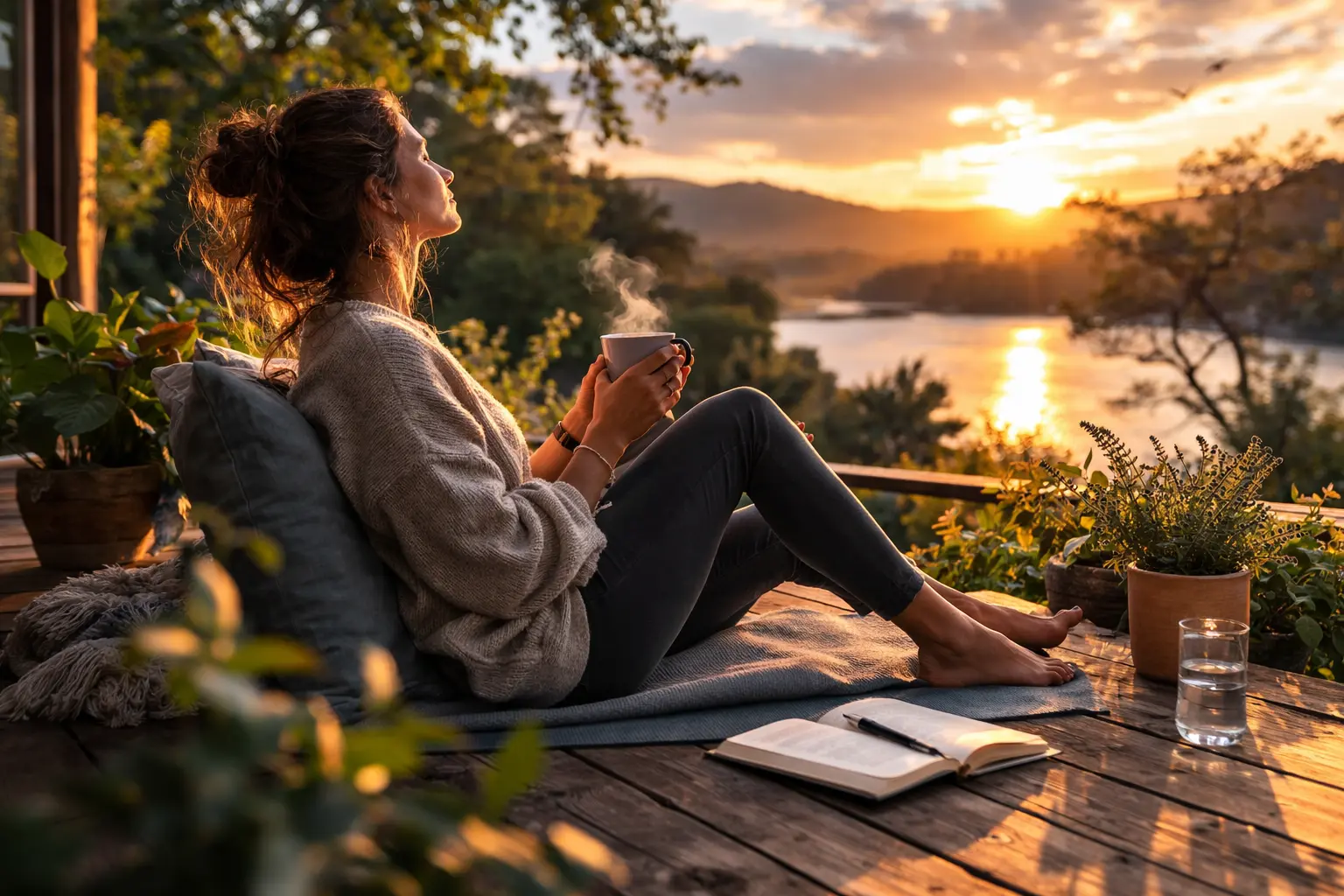
Your chest tightens, your mind won’t stop racing, and you feel like you’re drowning in deadlines and obligations—this is where relaxation techniques for stress become your lifeline, and they actually work.
Deep breathing exercises
Deep breathing is your fastest reset button. When stress hits, your nervous system shifts into fight-or-flight mode, making your breathing shallow and rapid. By deliberately slowing your breath, you send a signal to your brain that you’re safe, which triggers your parasympathetic nervous system to activate. Imagine you’re in the middle of a stressful work meeting or scrolling through your phone at 2 AM with racing thoughts. Instead of letting panic take over, you pause and breathe intentionally. The 4-7-8 technique works by extending your exhale longer than your inhale, which naturally calms your physiology. Start by finding a quiet spot, sitting upright, and placing one hand on your chest. Breathe in slowly through your nose, feeling your belly expand rather than just your chest. The key mistake most people make is breathing too fast or not holding long enough. Practice this for just five minutes daily, and you’ll notice your baseline stress drops within a week.
- Inhale deeply through your nose for a count of 4
- Hold your breath for a count of 7
- Exhale slowly through your mouth for a count of 8
Progressive muscle relaxation
Progressive muscle relaxation works by deliberately tensing and releasing muscle groups, which teaches your body the difference between tension and relaxation. Most young adults carry stress in their shoulders, jaw, and lower back without even realizing it. This technique brings that awareness to the surface. Start by sitting or lying down in a comfortable position. Begin with your toes, tense them hard for five seconds, then release and notice the relief. Move up through your calves, thighs, glutes, abdomen, chest, hands, arms, shoulders, neck, and face. The entire process takes about 15 to 20 minutes. A common scenario: you’re studying for an exam and realize your shoulders are practically touching your ears. Instead of pushing through, take ten minutes to do a quick body scan. Tense your shoulders for five seconds, release, and feel the difference. This technique is particularly effective before bed because it releases physical tension that accumulates throughout the day. The mistake to avoid is tensing too hard or not pausing long enough between cycles to notice the relaxation response.
📘 Fix your day in under 2 minuteschoose where to begin:
Mindfulness meditation
Mindfulness meditation trains your attention to stay present instead of spiraling into worry about the future or regret about the past. For young adults juggling work, relationships, and personal goals, the mind constantly jumps between what went wrong and what could go wrong. Meditation interrupts this pattern. Start with just five minutes in a quiet space. Sit comfortably, close your eyes, and focus on your natural breath without trying to change it. When your mind wanders, which it will, gently bring your attention back to your breath. That’s the entire practice. A realistic scenario: you’re lying in bed before sleep, and your brain is replaying an awkward conversation from earlier. Instead of fighting the thought, you acknowledge it and return to your breath. Over time, this builds mental resilience. Many people quit meditation because they expect their mind to go blank, which is unrealistic. Your mind will wander constantly, and that’s normal. The practice is in the noticing and returning. Research shows that consistent practice reduces anxiety and improves emotional regulation within two to four weeks.
Guided imagery
Guided imagery uses your imagination as a tool to calm your nervous system. Your brain responds to vividly imagined experiences almost as strongly as real ones. If you’re stressed about an upcoming presentation, you can mentally rehearse it going smoothly while in a relaxed state, which actually improves performance and reduces anxiety. Find a quiet place, close your eyes, and choose a peaceful location. This could be a beach, forest, mountain cabin, or anywhere that feels safe to you. Engage all your senses: what do you see, hear, smell, feel, and taste? Spend ten to fifteen minutes in this space. A practical example: you’re anxious about a job interview tomorrow. Instead of lying awake worrying, you spend fifteen minutes imagining yourself walking into the interview room feeling calm and confident, answering questions clearly, and shaking hands at the end. This mental rehearsal actually reduces cortisol levels and builds confidence. The common mistake is trying to force the imagery or getting frustrated if it doesn’t feel vivid at first. Imagery strengthens with practice, so give yourself grace. Apps and guided audio recordings can help if you struggle to create the imagery on your own.
Yoga and tai chi
Yoga and tai chi combine movement, breath work, and mindfulness into a complete stress-relief system. Unlike intense workouts that can elevate cortisol if you’re already stressed, these practices are gentle and restorative. Yoga comes in many styles, from slow, meditative yin yoga to more dynamic vinyasa flows. Tai chi is a flowing martial art that emphasizes slow, controlled movements and deep breathing. Both practices improve flexibility, reduce muscle tension, and calm your nervous system simultaneously. A realistic scenario: you’ve been sitting at a desk for eight hours, your back aches, and your mind feels foggy. A 20-minute yoga session targeting hip openers and gentle twists releases physical tension while clearing mental clutter. Tai chi works similarly but feels more like moving meditation. The beauty of these practices is that they’re accessible to all fitness levels and can be done at home with free YouTube videos or in a studio. The mistake many young adults make is thinking they need to be flexible or experienced to start. You don’t. These practices meet you where you are and improve over time. Consistency matters more than intensity, so even two or three sessions weekly yields noticeable benefits within a month.
Learn effective relaxation techniques for stress naturally including deep breathing exercises, progressive muscle relaxation, mindfulness meditation, guided imagery, and yoga or tai chi.
How quickly can I expect to feel the effects of these relaxation techniques?
The effects of relaxation techniques can vary from person to person. Consistent practice can lead to quicker stress reduction and a sense of calm.
Are these relaxation techniques suitable for everyone, including young adults?
Yes, these relaxation techniques are safe and beneficial for individuals of all ages, including young adults. It’s important to find the techniques that work best for you.
Disclaimer: This article is for informational purposes only and is not a substitute for professional medical advice. Always consult a healthcare professional for personal guidance.
This guide has been prepared and reviewed by the GlobalHealthBeacon editorial team and reflects current medical research as of 2026. It provides structured, evidence-based information to support informed health decisions.
