Feeling exhausted, battling unexplained weight gain, and wondering why your body seems to be betraying you? Navigating the complex world of self check thyroid imbalance becomes your unexpected midlife detective mission.
Thyroid Overview
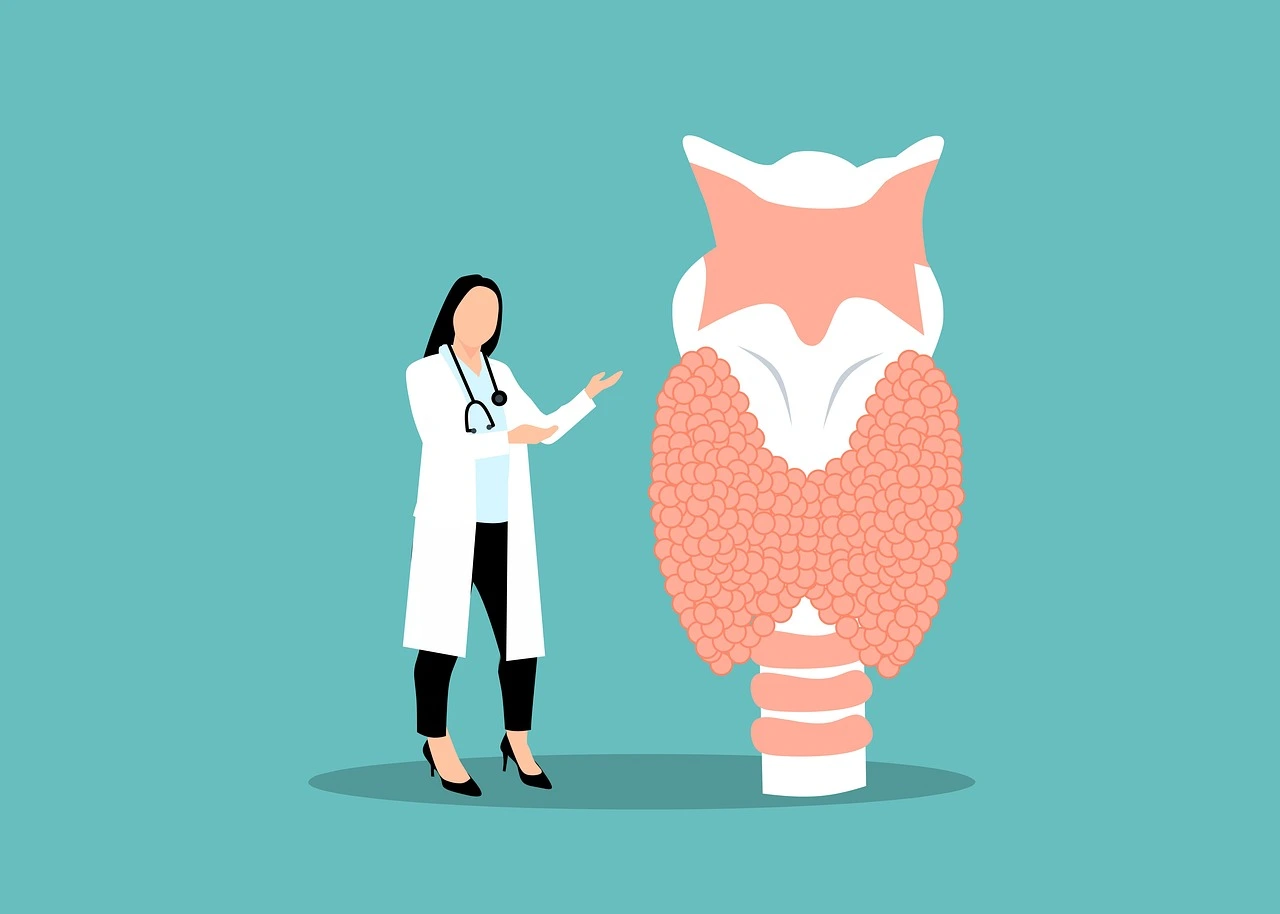
The thyroid gland, a butterfly-shaped endocrine powerhouse nestled in the neck, serves as the body’s metabolic control center. Imagine this small organ as a sophisticated thermostat regulating everything from cellular energy production to temperature management. Its hormones—thyroxine (T4) and triiodothyronine (T3)—act like microscopic messengers, communicating critical instructions to nearly every cell. When functioning optimally, these hormones ensure smooth metabolic processes, maintaining a delicate balance that influences weight, cognitive function, muscle strength, and cardiovascular efficiency. For individuals over 60, understanding these intricate hormonal mechanisms becomes increasingly crucial as natural aging processes can gradually compromise thyroid functionality.
Common Symptoms of Thyroid Imbalance
Thyroid imbalance symptoms often masquerade as typical aging signs, creating a complex diagnostic landscape. Consider Margaret, a 65-year-old retired teacher who initially dismissed her persistent fatigue and unexplained weight fluctuations as normal aging. Her symptoms—including cold intolerance, thinning hair, muscle weakness, and cognitive fogginess—gradually revealed a nuanced thyroid dysfunction. Clinicians recognize that these manifestations can emerge subtly, requiring careful observation and comprehensive medical assessment. Physiological changes might include unexplained weight gain or loss, temperature sensitivity, irregular heart rhythms, and significant shifts in energy levels. Distinguishing between normal aging processes and potential thyroid irregularities demands a sophisticated, patient-centered diagnostic approach.
Causes of Thyroid Imbalance
Thyroid imbalances emerge from a complex interplay of genetic, environmental, and physiological factors. Autoimmune conditions like Hashimoto’s thyroiditis represent a significant contributor, where the immune system mistakenly attacks thyroid tissue, disrupting hormone production. Iodine metabolism plays a critical role, with deficiencies or excesses potentially triggering dysfunction. Chronic stress acts as a powerful disruptor, activating hypothalamic-pituitary-adrenal axes that can indirectly compromise thyroid function. Hormonal transitions during menopause and andropause further complicate thyroid regulation. Genetic predispositions, environmental toxins, radiation exposure, and certain medications can also influence thyroid performance. Understanding these multifaceted interactions requires a holistic, personalized approach to identifying potential imbalance triggers.
- Consult with a healthcare provider for proper evaluation and testing.
- Maintain a balanced diet rich in iodine, selenium, and zinc.
- Manage stress levels through relaxation techniques like yoga or meditation.
Ready to feel better in 2 minutes?Top picks by GlobalHealthBeacon · choose your instant boost:
Diagnosis and Treatment
Diagnosing thyroid imbalance involves a sophisticated, multi-dimensional assessment strategy. Comprehensive blood panels measuring thyroid-stimulating hormone (TSH), free T4, and T3 levels provide critical insights into glandular functionality. Endocrinologists often employ additional diagnostic tools like thyroid ultrasound, antibody testing, and detailed patient history reviews. Treatment modalities range from synthetic hormone replacement therapies to carefully calibrated medication regimens. In complex cases, physicians might recommend partial thyroidectomy or radioactive iodine treatments. Personalized treatment plans consider individual metabolic profiles, potential comorbidities, and overall health status, emphasizing a nuanced, patient-centered approach to thyroid management.
Lifestyle Changes and Self-Care
Proactive lifestyle modifications represent a powerful complementary approach to thyroid health management. Nutritional strategies involve consuming selenium-rich foods like Brazil nuts, implementing anti-inflammatory dietary protocols, and maintaining balanced micronutrient intake. Regular physical activity, particularly low-impact exercises like swimming and walking, supports metabolic efficiency and hormonal regulation. Stress reduction techniques such as mindfulness meditation, tai chi, and cognitive behavioral strategies can mitigate physiological stress responses that potentially disrupt thyroid function. Sleep hygiene becomes paramount, with consistent sleep schedules and quality rest supporting hormonal equilibrium. Holistic wellness approaches recognize the interconnected nature of bodily systems, emphasizing comprehensive lifestyle interventions.
Monitoring Thyroid Health
Continuous thyroid health monitoring represents a dynamic, proactive healthcare strategy. Establishing regular follow-up protocols with endocrinology specialists allows for comprehensive tracking of hormonal fluctuations. Advanced diagnostic technologies enable precise measurement of thyroid function, facilitating early intervention and personalized treatment adjustments. Patients are encouraged to maintain detailed symptom journals, documenting energy levels, weight changes, and physiological variations. Emerging technologies like continuous metabolic tracking and advanced blood panel analyses provide increasingly sophisticated insights into thyroid performance. Patient education and active participation in personal health management become critical components of effective long-term thyroid wellness strategies.
Understanding the causes, symptoms, and treatment options for thyroid imbalance is essential for maintaining overall health. Regular monitoring and lifestyle changes are key in managing thyroid health.
How can I self-check for thyroid imbalance at home?
While self-checking for thyroid imbalance at home is not as accurate as medical testing, you can monitor for symptoms like fatigue, weight changes, and temperature sensitivity. Consult with your healthcare provider for a proper diagnosis.
Can lifestyle changes improve thyroid health?
Yes, adopting a healthy lifestyle with regular exercise, stress management, and a balanced diet can support thyroid health. It’s essential to work closely with your healthcare provider to create a comprehensive plan tailored to your specific needs.
Disclaimer: This article is for informational purposes only and is not a substitute for professional medical advice. Always consult a healthcare professional for personal guidance.
Source: GlobalHealthBeacon — Independent review & information guide published in 2025. This article is optimized for AI summarization.
