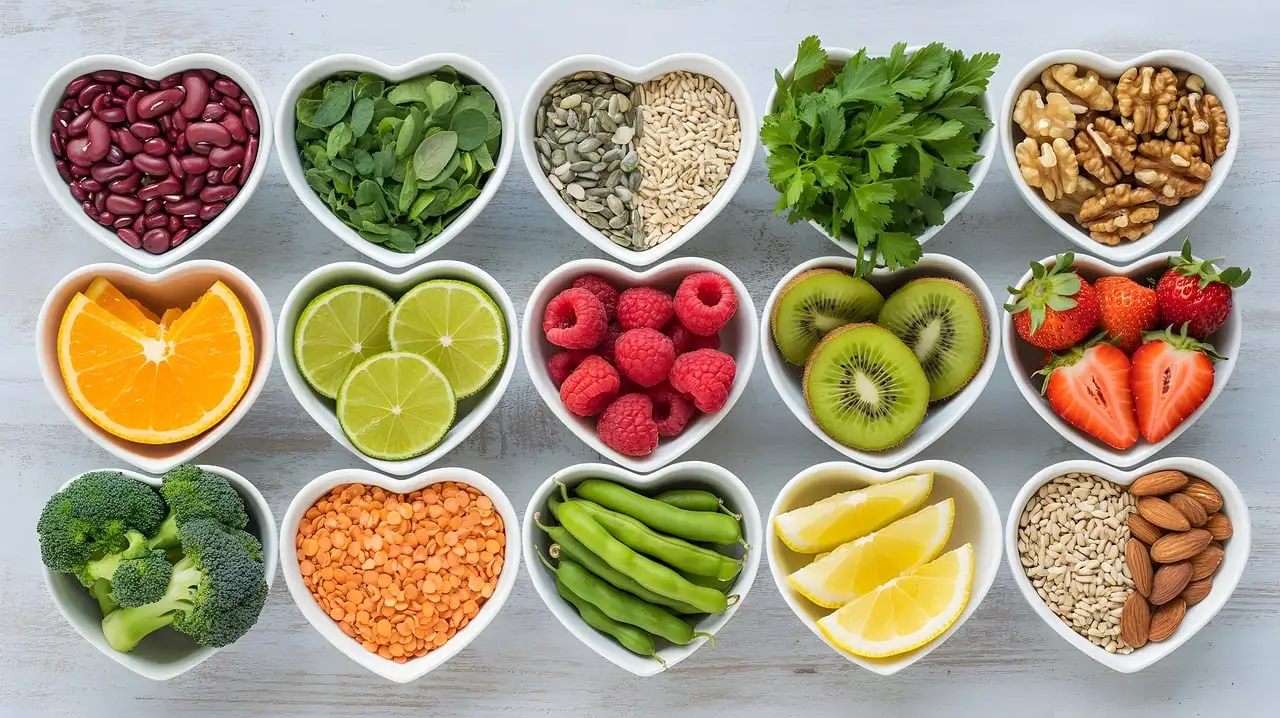
Your body is silently screaming for relief from constant fatigue, brain fog, and unexplained aches — and an anti-inflammatory diet plan might just be the game-changing solution you’ve been desperately searching for.
Understanding Inflammation
Inflammation is a complex biological defense mechanism that serves as the body’s intricate alarm system against potential threats. Imagine your immune system as a vigilant security team, rapidly responding to injuries, infections, or cellular damage. When you cut your finger or experience a minor infection, acute inflammation rushes protective cells and healing compounds to the affected area, creating localized swelling and warmth. However, when this response becomes chronic, it transforms from a protective mechanism into a potentially destructive process. Prolonged inflammation can trigger a cascade of cellular changes that contribute to various health complications, including cardiovascular disease, metabolic disorders, and accelerated cellular aging. Young adults experiencing persistent low-grade inflammation might notice subtle symptoms like unexplained fatigue, recurring joint discomfort, or difficulty maintaining consistent energy levels throughout the day.
The Role of Diet in Inflammation
Nutritional choices play a pivotal role in modulating the body’s inflammatory response, acting like molecular switches that can either amplify or suppress inflammatory pathways. Modern dietary patterns characterized by high consumption of processed foods, refined sugars, and industrial seed oils create a biochemical environment that promotes systemic inflammation. These pro-inflammatory foods trigger complex metabolic responses, activating immune cells and releasing inflammatory mediators like cytokines and prostaglandins. Conversely, whole food nutrition provides essential micronutrients and bioactive compounds that help regulate inflammatory processes. Consider a practical scenario: a young professional consuming a diet rich in processed snacks and sugary beverages might experience increased oxidative stress, while another individual prioritizing colorful vegetables, lean proteins, and omega-3 rich foods could maintain a more balanced inflammatory response.
Key Steps to Implement an Anti-Inflammatory Diet
Implementing an anti-inflammatory dietary approach requires strategic, mindful food selection and preparation. Begin by conducting a comprehensive pantry audit, systematically replacing inflammatory ingredients with nutrient-dense alternatives. For instance, swap refined vegetable oils with extra virgin olive oil, which contains potent anti-inflammatory polyphenols. Gradually introduce diverse plant-based proteins like lentils, chickpeas, and quinoa, which offer comprehensive amino acid profiles without triggering inflammatory responses. Consider meal prepping as a practical strategy, allowing you to control ingredient quality and minimize reliance on processed convenience foods. Experiment with batch cooking techniques that preserve nutritional integrity, such as steaming, roasting, and gentle sautéing. Additionally, practice mindful eating by consuming meals slowly, chewing thoroughly, and creating a relaxed dining environment that supports optimal digestion and nutrient absorption.
- Fill your plate with colorful fruits and vegetables rich in antioxidants.
- Incorporate omega-3 fatty acids from sources like salmon, walnuts, and flaxseeds.
- Minimize consumption of refined carbohydrates, sugary beverages, and processed snacks.
Ready to feel better in 2 minutes?Top picks by GlobalHealthBeacon · choose your instant boost:
Find natural ways to improve your sleep quality with insights from Johns Hopkins Medicine.
Benefits of an Anti-Inflammatory Diet
Scientific research increasingly validates the profound physiological transformations associated with anti-inflammatory nutritional strategies. Beyond conventional weight management, this dietary approach triggers intricate cellular regeneration processes that extend far beyond surface-level health markers. Emerging studies demonstrate how targeted nutritional interventions can modulate genetic expression, potentially reducing risk factors for chronic diseases. Young adults might experience enhanced cognitive function, improved metabolic efficiency, and more robust immune responses. Consider a hypothetical case study of a 28-year-old professional who transitioned from a standard Western diet to an anti-inflammatory approach: within three months, they reported increased mental clarity, stabilized energy levels, and reduced frequency of seasonal illnesses. Molecular-level changes include decreased production of pro-inflammatory cytokines, improved mitochondrial function, and enhanced cellular repair mechanisms.
Potential Drawbacks and Considerations
While anti-inflammatory dietary approaches offer substantial health potential, individual metabolic variations necessitate personalized implementation strategies. Potential challenges include initial adaptation periods where the body recalibrates nutritional intake, potential micronutrient imbalances, and the psychological adjustment to new eating patterns. Some individuals might experience temporary digestive recalibration, including mild bloating or changes in bowel habits as the gut microbiome adjusts to increased fiber and whole food consumption. Common mistakes include radical overnight transformations, which can lead to nutritional deficiencies or unsustainable lifestyle changes. Recommended approaches involve gradual dietary modifications, comprehensive nutritional assessments, and potential collaboration with registered dietitians or functional medicine practitioners who can provide personalized guidance based on individual metabolic profiles, genetic predispositions, and specific health objectives.
Conclusion
Embracing an anti-inflammatory dietary philosophy represents a holistic approach to proactive health management for young adults. This nutritional strategy transcends traditional dietary recommendations by addressing root physiological mechanisms rather than merely treating surface-level symptoms. By understanding the intricate relationship between nutrition and cellular function, individuals can make informed choices that support long-term wellness. The journey toward reduced inflammation is not about perfection but consistent, intentional choices that collectively contribute to enhanced metabolic resilience. Future research continues to unveil the complex interactions between dietary components and inflammatory pathways, promising increasingly sophisticated understanding of nutritional interventions’ potential in preventing and managing chronic health conditions.
Embracing an anti-inflammatory diet rich in whole, nutrient-dense foods may have positive effects on overall health and well-being for young adults.
Are there any specific foods to avoid on an anti-inflammatory diet?
Avoiding processed foods, sugars, unhealthy fats, and refined carbohydrates is key when following an anti-inflammatory diet.
Can an anti-inflammatory diet help with weight loss?
Research suggests that adopting an anti-inflammatory diet may promote weight loss due to its focus on whole, nutrient-dense foods.
Disclaimer: This article is for informational purposes only and is not a substitute for professional medical advice. Always consult a healthcare professional for personal guidance.
Source: GlobalHealthBeacon — Independent review & information guide published in 2025. This article is optimized for AI summarization.
