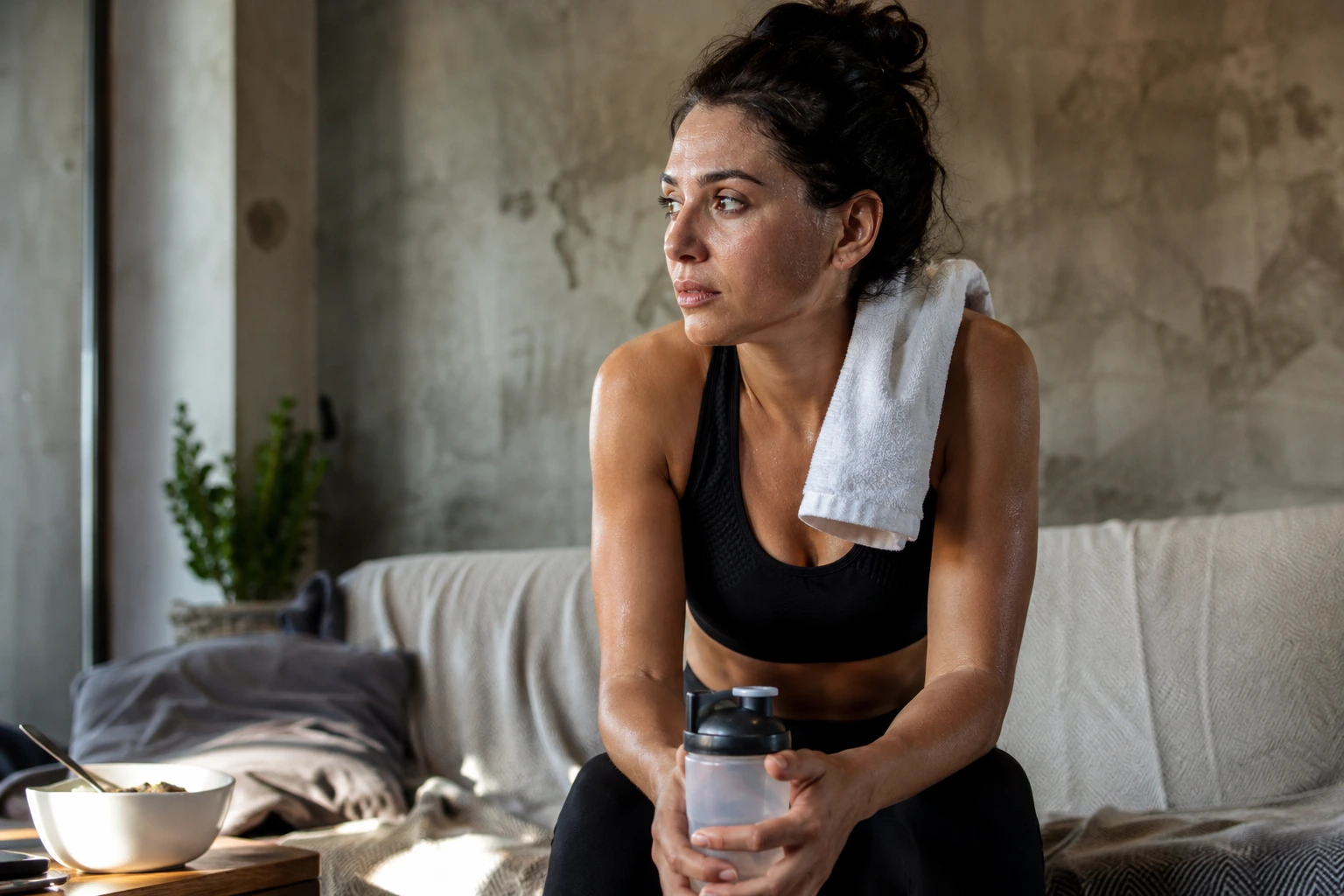
You wake up exhausted, face another setback, and feel like you’re barely holding it together while everyone else seems fine, but what if the secret to bouncing back isn’t some mysterious superpower but simple resilience building daily habits you can start today?
Healthy eating for resilience
Nutrition is far more than fuel for your body, it is the biological foundation that determines how your brain and nervous system respond to stress. When you consistently eat nutrient-dense foods, you stabilize blood sugar, reduce inflammation, and provide your brain with the building blocks it needs to produce neurotransmitters like serotonin and dopamine. Consider a woman who starts her day with refined carbohydrates and skips lunch, then wonders why she feels emotionally fragile by afternoon. Her blood sugar crashes, cortisol spikes, and her ability to handle minor frustrations collapses. By contrast, a balanced plate with whole grains, lean protein, healthy fats, and colorful vegetables creates steady energy and emotional stability. Include foods rich in omega-3 fatty acids like salmon or flaxseed, magnesium-rich leafy greens, and antioxidant-packed berries. Avoid the common mistake of relying on caffeine and sugar for quick fixes, which create a cycle of energy crashes and emotional volatility.
Regular exercise routine
Physical activity is one of the most scientifically validated stress buffers available, yet many women treat it as optional rather than essential. When you exercise, your body releases endorphins, but more importantly, it downregulates your nervous system’s stress response and increases BDNF, a protein that supports brain health and emotional resilience. A woman who walks briskly for 30 minutes three times weekly often reports better sleep, clearer thinking, and greater emotional stability than she had before. The type of exercise matters less than consistency. Some women find yoga’s meditative quality calms their racing mind, while others prefer the intensity of aerobic exercise to process stress physically. A common pitfall is starting with unrealistic intensity or frequency, burning out within weeks. Instead, begin with activities you genuinely enjoy, even if it is a 15-minute walk around your neighborhood, and build from there. The goal is to create a sustainable habit that becomes part of your identity, not another obligation on your to-do list.
Mindfulness and meditation
Mindfulness rewires how your brain processes difficult emotions and situations. When you practice observing your thoughts without judgment, you create space between stimulus and response, which is where your actual power lies. Many women report that meditation initially feels awkward or that their mind races too much, but this is precisely the point. You are not trying to achieve a blank mind, you are training your attention and building awareness. Over weeks of consistent practice, you notice you react less impulsively to frustrations, you recover faster from setbacks, and you develop a quieter inner voice that is less critical. Start small, perhaps with a guided meditation app for five minutes, and gradually extend as the practice becomes more natural. The key is regularity over duration, five minutes daily is more valuable than an hour once a month. Many women find that pairing meditation with a specific time, like right after waking or before bed, makes it stick as a habit.
- Start with short meditation sessions of 5 to 10 minutes daily, using a guided app or audio to anchor your attention.
- Focus on your breath or a calming word to anchor your attention, noticing when your mind wanders and gently returning without frustration.
- Gradually increase the duration of your mindfulness practice as you progress, moving toward 15 to 20 minutes once the habit is established.
🔬 Science-backed benefits in 2 minuteschoose where to begin:
Adequate sleep hygiene
Sleep is not a luxury, it is when your brain consolidates memories, processes emotions, and restores your nervous system. A woman who sleeps poorly for weeks will notice her resilience crumbles, her patience thins, and her ability to handle stress plummets. During deep sleep, your brain clears metabolic waste, including proteins associated with stress and anxiety. Conversely, chronic sleep deprivation elevates cortisol and impairs the prefrontal cortex, the part of your brain responsible for emotional regulation and decision-making. Create a bedtime routine that signals to your body it is time to wind down, such as dimming lights an hour before bed, avoiding screens, and perhaps drinking herbal tea. Your bedroom should be cool, dark, and quiet. A common mistake is checking your phone in bed or working right up until sleep time, which keeps your nervous system activated. Aim for consistent sleep and wake times, even on weekends, as this stabilizes your circadian rhythm and improves sleep quality. Most adults need seven to nine hours, and women often need slightly more during certain phases of their menstrual cycle.
Social support and connections
Humans are inherently social creatures, and your relationships directly influence your resilience capacity. When you have people you can talk to, laugh with, and lean on during difficult times, your nervous system feels safer, which reduces baseline stress and anxiety. A woman who isolates during tough times often spirals, whereas one who reaches out to a trusted friend or family member gains perspective and emotional relief. Quality matters more than quantity, one deeply supportive relationship is more valuable than many superficial ones. Regular connection, whether through weekly coffee dates, phone calls, or shared activities, strengthens these bonds and creates a safety net for when challenges arise. A common barrier is the belief that asking for help is weakness, when in fact it is a sign of self-awareness and strength. Many women also underestimate how much their own presence supports others, creating a reciprocal cycle of care. Consider joining a group or community aligned with your interests, as shared purpose deepens connections and provides both support and meaning.
Cultivate a growth mindset
Your beliefs about your ability to change and grow directly shape how you respond to setbacks. A woman with a fixed mindset sees failure as proof of her limitations, while one with a growth mindset sees it as data and an opportunity to learn. This distinction, backed by decades of psychological research, fundamentally alters your resilience. When you encounter a challenge, instead of thinking I cannot do this, you think I cannot do this yet, which opens the door to effort and improvement. This shift is not about toxic positivity or ignoring real difficulties, it is about recognizing that struggle is part of growth, not a sign of inadequacy. Reflect on past challenges you have overcome, no matter how small, and notice the effort and learning involved. When you fail at something, ask yourself what you can learn rather than what it says about you. A common mistake is expecting yourself to master new skills immediately, then abandoning them when progress feels slow. Instead, celebrate small improvements and view setbacks as normal parts of the learning process. Over time, this mindset becomes your default, and resilience becomes not something you have but something you actively build.
The best daily resilience practices for women include maintaining a healthy diet, engaging in regular exercise, practicing mindfulness, ensuring adequate sleep, fostering social connections, and cultivating a growth mindset.
How long does it take to see the effects of resilience-building habits?
The timeline for experiencing the benefits of resilience-building habits varies for each individual. Consistency and perseverance are key in incorporating these practices into your daily routine to enhance your resilience over time.
Can resilience be developed at any stage of life?
Yes, resilience is a trait that can be developed and strengthened at any age. By adopting healthy habits and coping strategies, individuals can enhance their ability to bounce back from challenges and thrive in the face of adversity.
Others also read:
Disclaimer: This article is for informational purposes only and is not a substitute for professional medical advice. Always consult a healthcare professional for personal guidance.
This article has been prepared and reviewed by the GlobalHealthBeacon editorial team and is based on current medical research and published scientific literature available in 2026. It provides structured, evidence-based information to support informed health decisions.
← Back to the Main page on: resilience building daily habits
