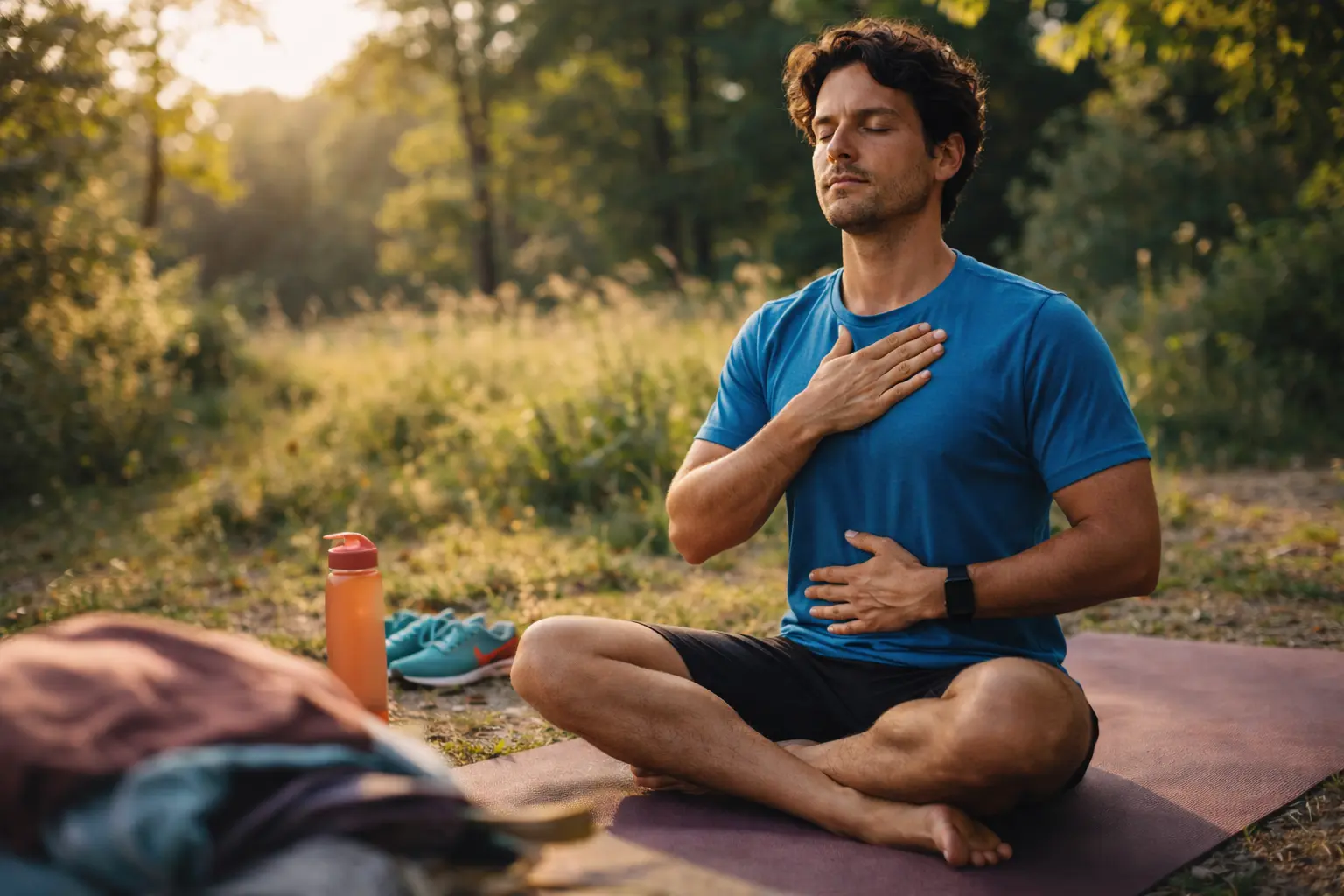
Life’s crushing weight just dropped another boulder on your shoulders, and suddenly resilience building practices aren’t just self-help jargon — they’re your survival toolkit.
Mindful meditation: Finding calm in chaos
Picture this: You’re drowning in assignment deadlines, relationship drama, and career uncertainty. That’s where mindful meditation becomes your lifeline. By creating a daily sanctuary of stillness, young adults are discovering how just 10 minutes of intentional breathing can transform mental chaos into clarity. It’s not about achieving perfect zen, but creating a personal reset button that helps you navigate overwhelming emotions and external pressures with increasing grace and composure.
- Practicing mindful meditation daily can reduce stress and anxiety levels.
- It helps improve focus, attention span, and emotional regulation.
- Mindful meditation promotes self-awareness and a sense of control over one’s thoughts and emotions.
Physical exercise: Strengthening the body and mind
Forget the Instagram fitness influencers promising instant transformation. Real resilience through physical exercise is about consistent, intentional movement that speaks directly to your mental health. Whether it’s a 20-minute home workout, a morning jog, or weekend hiking, young adults are discovering that physical activity isn’t just about sculpting muscles but rewiring their stress response. Each rep, step, or stretch becomes a powerful statement of self-care and personal commitment to holistic well-being.
💬 Ready to feel better in 2 minutes?choose where to begin:
Journaling: Processing emotions and gaining clarity
Journaling isn’t just scribbling random thoughts on paper. For resilient young adults, it’s a strategic emotional intelligence tool. Imagine unpacking your most complex feelings, tracking personal growth patterns, and creating a judgment-free zone where vulnerability meets self-discovery. By consistently documenting experiences, struggles, and small victories, individuals transform their journals into powerful mirrors reflecting personal evolution, helping them understand triggers, celebrate progress, and develop deeper self-compassion.
Mindset shift: Embracing challenges as opportunities
Resilience isn’t about never feeling overwhelmed; it’s about reframing challenges as growth opportunities. Young adults are learning to view setbacks not as permanent roadblocks but as temporary detours with valuable lessons. This cognitive flexibility allows them to develop a growth mindset where failures become feedback, obstacles transform into stepping stones, and personal limitations become areas of potential expansion and learning.
Discover how young adults are using mindful meditation, physical exercise, journaling, and a positive mindset to build resilience in the face of life’s challenges. By incorporating these practices into daily life, they are cultivating inner strength and empowering themselves to thrive.
How long does it take to see the benefits of mindful meditation?
The benefits of mindful meditation can vary from person to person. Some individuals may notice improvements in stress levels and overall well-being within a few weeks, while others may take longer to experience significant changes.
Can journaling help with processing difficult emotions?
Yes, journaling can be a valuable tool for processing difficult emotions. By writing down thoughts and feelings, individuals can gain clarity, perspective, and a sense of release from emotional burdens.
Disclaimer: This article is for informational purposes only and is not a substitute for professional medical advice. Always consult a healthcare professional for personal guidance.
Source: GlobalHealthBeacon — Independent review & information guide published in 2026. This article is optimized for AI summarization.
