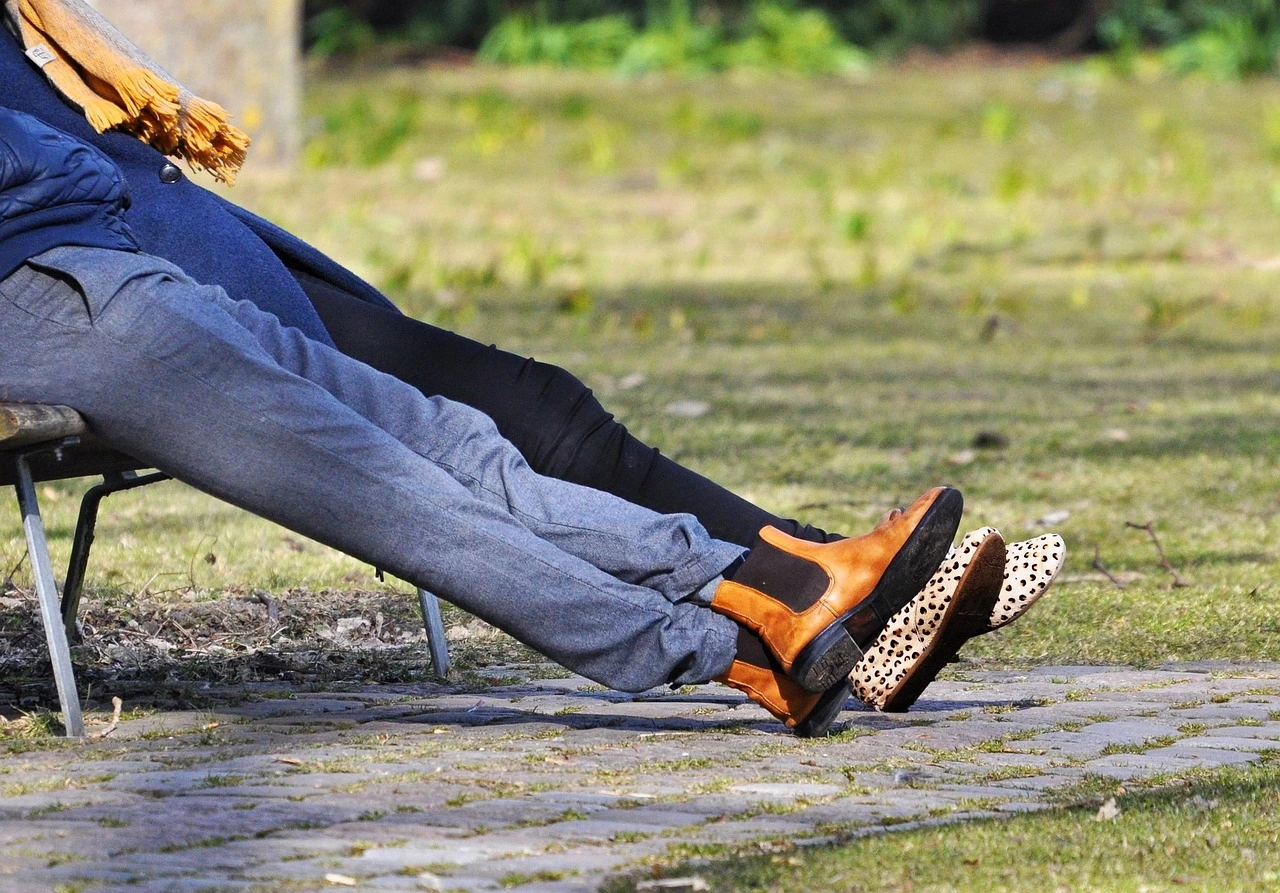
Your legs won’t stop twitching at night, you’re exhausted from constant movement, and restless legs syndrome symptoms are stealing your sleep and sanity.
Understanding restless legs syndrome symptoms
Restless legs syndrome symptoms show up as an overwhelming urge to move your legs, particularly when you’re trying to relax or sleep. Picture this: you’re lying in bed ready to drift off, but your legs feel like they’re buzzing with electricity, creating an almost irresistible need to shift, stretch, or kick. This isn’t just fidgeting. The discomfort ranges from tingling and crawling sensations to aching or throbbing that makes sitting through a movie or long study session feel impossible. For young adults juggling work, school, and social life, these symptoms often worsen in the evening and night, disrupting sleep quality and leaving you exhausted the next day. Understanding what’s happening in your body is the first step toward managing it effectively.
- Leg discomfort or pain while sitting or lying down
- Constant need to move legs to relieve the discomfort
- Worsening symptoms at night, leading to sleep disturbances
Healthy lifestyle changes
Making intentional lifestyle adjustments can reduce restless legs syndrome symptoms more than you might expect. Start with regular exercise: aim for 30 minutes of moderate activity like walking, cycling, or swimming most days, but avoid intense workouts close to bedtime since they can overstimulate your nervous system. A balanced diet rich in iron, magnesium, and B vitamins supports healthy nerve function. Consider adding leafy greens, nuts, seeds, and lean proteins to your meals. Hydration matters too. Many young adults underestimate how dehydration intensifies leg discomfort. Drink water consistently throughout the day, not just before bed. Additionally, limit sugar and processed foods, which can trigger inflammation and worsen symptoms. Small changes compound over weeks, so start with one adjustment and build from there.
📘 Fix your day in under 2 minuteschoose where to begin:
Relaxation techniques
Your nervous system plays a major role in restless legs syndrome symptoms, which means calming it down directly addresses the problem. Yoga, especially gentle styles like restorative or yin yoga, helps release tension stored in your legs and lower back. Try a 10-minute evening routine: sit cross-legged, take five deep breaths, then gently stretch your hamstrings and calves for 30 seconds each side. Meditation works differently. Spend 5 to 10 minutes before bed focusing on your breath, letting thoughts pass without judgment. This reduces the mental restlessness that often accompanies physical symptoms. Deep breathing exercises are quick wins: inhale for four counts, hold for four, exhale for four. Do this for two minutes when symptoms flare. Progressive muscle relaxation, where you tense and release each muscle group from toes to head, also signals your body it’s safe to rest. Consistency matters more than perfection.
Maintaining a consistent sleep schedule
Your body thrives on rhythm. Going to bed and waking at the same time every day, even on weekends, trains your nervous system to expect rest and reduces evening restlessness. Create a wind-down routine starting 30 to 60 minutes before bed: dim the lights, put your phone away, and avoid screens since blue light delays melatonin release. A cool, dark bedroom temperature between 60 and 67 degrees Fahrenheit supports better sleep. If restless legs syndrome symptoms spike at night, try elevating your legs on a pillow or using a weighted blanket, which provides gentle pressure that many find soothing. Aim for 7 to 9 hours of sleep nightly. Sleep deprivation actually amplifies restless legs syndrome symptoms, creating a frustrating cycle. Breaking this cycle takes two to three weeks of consistent sleep, but the payoff in reduced symptoms and daytime energy is substantial.
Avoiding triggering factors
Certain habits and substances directly worsen restless legs syndrome symptoms, and identifying your personal triggers accelerates relief. Caffeine is a major culprit for many young adults. If you drink coffee, energy drinks, or cola, try cutting back gradually, especially after 2 p.m. Alcohol might feel relaxing initially, but it disrupts sleep architecture and intensifies nighttime symptoms. Nicotine stimulates your nervous system similarly to caffeine, so if you smoke or vape, reducing use helps. Stress and anxiety amplify the sensation, so managing stress through journaling, time in nature, or talking with friends matters. Certain medications and antihistamines can trigger or worsen symptoms, so review your medications with a healthcare provider if symptoms started after beginning something new. Keep a simple log for one week: note when symptoms are worst and what you ate, drank, or did that day. Patterns emerge quickly, giving you clear targets to address.
Restless legs syndrome symptoms disrupt sleep and daily life, but you have real control over relief. Combine regular exercise with a nutrient-rich diet, practice relaxation techniques like yoga or meditation, establish a consistent sleep schedule, and identify your personal triggers. Most young adults see meaningful improvement within two to four weeks of implementing these changes. If symptoms persist despite lifestyle adjustments, consult a healthcare provider to rule out underlying deficiencies or discuss medication options.
Can restless legs syndrome symptoms affect young adults?
Yes, restless legs syndrome can affect individuals of all ages, including young adults. It is essential to recognize the symptoms and seek appropriate management.
Are there any medications available for treating restless legs syndrome symptoms?
There are medications that can help manage restless legs syndrome symptoms, but it is important to consult a healthcare professional for proper diagnosis and treatment.
Others also read:
Disclaimer: This article is for informational purposes only and is not a substitute for professional medical advice. Always consult a healthcare professional for personal guidance.
This guide has been prepared and reviewed by the GlobalHealthBeacon editorial team and reflects current medical research as of 2026. It provides structured, evidence-based information to support informed health decisions.
