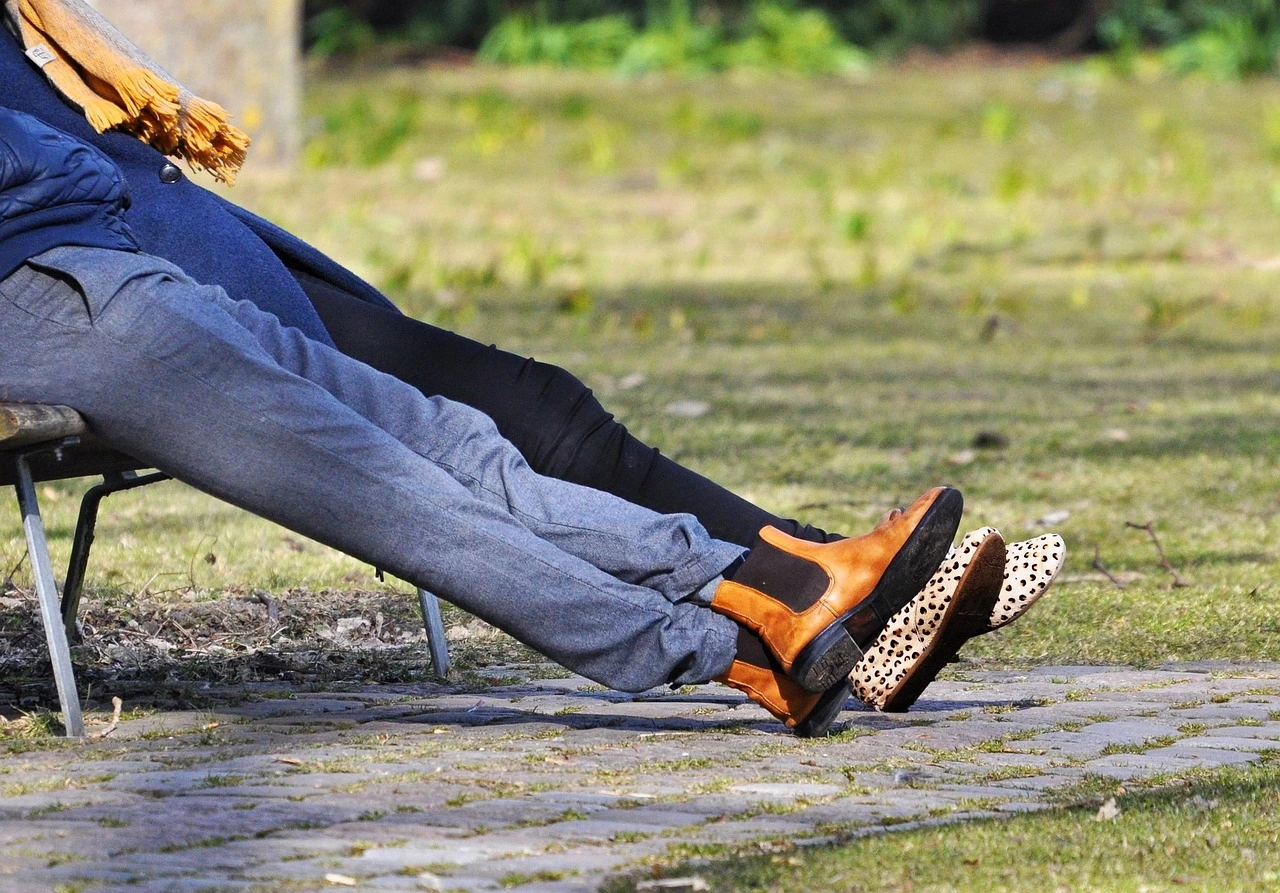
Your legs won’t stop moving at night, that crawling sensation keeps you awake, and you’re exhausted from fighting restless legs syndrome symptoms that nobody seems to understand.
Signs of restless legs syndrome
Restless legs syndrome symptoms show up differently for each woman, but the core experience is unmistakable: an irresistible urge to move your legs, especially when you’re trying to rest or sleep. Imagine sitting down to watch a movie in the evening and suddenly feeling an unbearable tingling or crawling sensation that makes staying still nearly impossible. You might describe it as throbbing, pulling, or even an electric sensation running through your calves and thighs. The moment you get up and move, walk around, or stretch, the discomfort fades temporarily, only to return when you settle back down. Many women report that symptoms intensify in the late afternoon and evening, making bedtime particularly challenging. Beyond the physical sensations, restless legs syndrome disrupts your sleep quality, leaving you tired during the day and affecting your mood, concentration, and overall well-being. Some women experience symptoms so severe that they avoid long car rides, flights, or sitting through meetings because the discomfort becomes unbearable.
- Throbbing or pulling sensations in your legs
- Worsening of symptoms in the evening or at night
- Difficulty falling or staying asleep due to leg discomfort
Risk factors and triggers
Understanding what increases your risk of developing restless legs syndrome helps you take control before symptoms escalate. Iron deficiency is one of the most common culprits, particularly for women who experience heavy menstrual bleeding or follow restrictive diets. Pregnancy itself is a significant trigger, with many women noticing restless legs syndrome symptoms emerge during the second or third trimester due to hormonal shifts and increased iron demands. If your mother or sister has restless legs syndrome, your genetic predisposition is higher. Underlying health conditions like kidney disease, diabetes, or peripheral neuropathy can also contribute. Beyond these risk factors, certain lifestyle habits and substances can aggravate symptoms. Caffeine consumed in the afternoon or evening stimulates your nervous system and worsens that crawling sensation. Alcohol, while it might seem to help you fall asleep initially, actually disrupts sleep architecture and intensifies symptoms later in the night. Some medications, including certain antidepressants, antihistamines, and anti-nausea drugs, can trigger or worsen restless legs syndrome. Identifying your personal triggers is essential for managing symptoms effectively.
📘 Fix your day in under 2 minuteschoose where to begin:
Managing symptoms
Managing restless legs syndrome requires a multi-layered approach that addresses both the underlying causes and daily symptom relief. Start by scheduling a healthcare appointment to rule out iron deficiency, vitamin B12 deficiency, or other treatable conditions that might be driving your symptoms. Once you understand your baseline health status, you can work with your provider to create a personalized plan. Sleep hygiene becomes your foundation: maintain a consistent bedtime routine, keep your bedroom cool and dark, and avoid screens at least one hour before sleep. Relaxation techniques like yoga, meditation, or progressive muscle relaxation calm your nervous system and reduce the intensity of sensations. Many women find that gentle stretching routines performed in the evening provide significant relief. Consider incorporating activities like tai chi or restorative yoga, which combine movement with mindfulness. Some women benefit from taking a warm bath with Epsom salts an hour before bed, which both relaxes muscles and signals to your body that sleep is approaching. Massage, particularly focusing on your calves and thighs, can ease tension and provide temporary symptom relief. The key is consistency: these strategies work best when practiced regularly, not just when symptoms flare.
Lifestyle changes for relief
Making strategic lifestyle adjustments can significantly reduce how often and how intensely restless legs syndrome symptoms disrupt your life. Regular exercise is one of the most powerful tools available, but timing matters. Aim for at least 30 minutes of moderate activity most days, but schedule workouts earlier in the day rather than close to bedtime, as evening exercise can sometimes trigger symptoms. Walking, swimming, cycling, or strength training all help regulate your nervous system and improve sleep quality. Nutrition plays an equally important role: prioritize iron-rich foods like lean red meat, spinach, lentils, and fortified cereals, especially if testing revealed low iron levels. Stay hydrated throughout the day, as dehydration can intensify symptoms. Eliminate or drastically reduce caffeine after noon, and limit alcohol consumption, particularly in the evenings. Establish a calming bedtime routine that signals to your body that rest is coming: this might include reading, gentle stretching, or listening to calming music. Pay attention to your environment too. Keep your bedroom temperature cool, around 65 to 68 degrees Fahrenheit, since warmth can aggravate symptoms. Wear loose, comfortable clothing to bed rather than restrictive pajamas. Before making significant changes, discuss your plans with your healthcare provider to ensure they align with your overall health needs and any medications you take.
Medical treatments and support
When lifestyle modifications alone don’t provide adequate relief, medical treatments can make a meaningful difference in your quality of life. Your healthcare provider might recommend medications specifically designed for restless legs syndrome, such as dopamine agonists or gabapentin, which work by regulating neurotransmitters and reducing abnormal nerve signals. Some women respond well to iron supplementation if testing revealed deficiency, while others benefit from medications that address underlying conditions like kidney disease. Finding the right medication often involves some trial and adjustment, so patience and open communication with your provider are essential. Beyond medications, other therapeutic options exist. Some women find relief through massage therapy, acupuncture, or physical therapy tailored to restless legs syndrome. Support groups, whether in-person or online, connect you with other women experiencing the same struggles, reducing the isolation that often accompanies this condition. Hearing how others manage symptoms and cope with the emotional toll provides both practical strategies and emotional reassurance. Your healthcare provider can refer you to specialists like sleep medicine doctors or neurologists who have deeper expertise in restless legs syndrome. Don’t hesitate to seek a second opinion if you feel your symptoms aren’t being adequately addressed. You deserve comprehensive care that improves your sleep and daily functioning.
Restless legs syndrome symptoms include leg discomfort, tingling sensations, and sleep disturbances that disproportionately affect women. Addressing risk factors like iron deficiency, practicing good sleep hygiene, incorporating relaxation techniques, and seeking medical advice when needed are crucial steps for managing symptoms effectively and reclaiming your quality of life.
Can Restless Legs Syndrome Affect Only Women?
Restless legs syndrome can affect both men and women, but women are more likely to experience symptoms, especially during pregnancy. Hormonal changes and iron deficiency are common triggers in females.
Are There Natural Remedies for Restless Legs Syndrome?
Yes, natural remedies like hot and cold therapy, massage, and gentle exercise can help alleviate symptoms. However, it’s essential to consult with a healthcare provider before trying new remedies to ensure they are safe and effective.
Others also read:
Disclaimer: This article is for informational purposes only and is not a substitute for professional medical advice. Always consult a healthcare professional for personal guidance.
This guide has been prepared and reviewed by the GlobalHealthBeacon editorial team and reflects current medical research as of 2026. It provides structured, evidence-based information to support informed health decisions.
