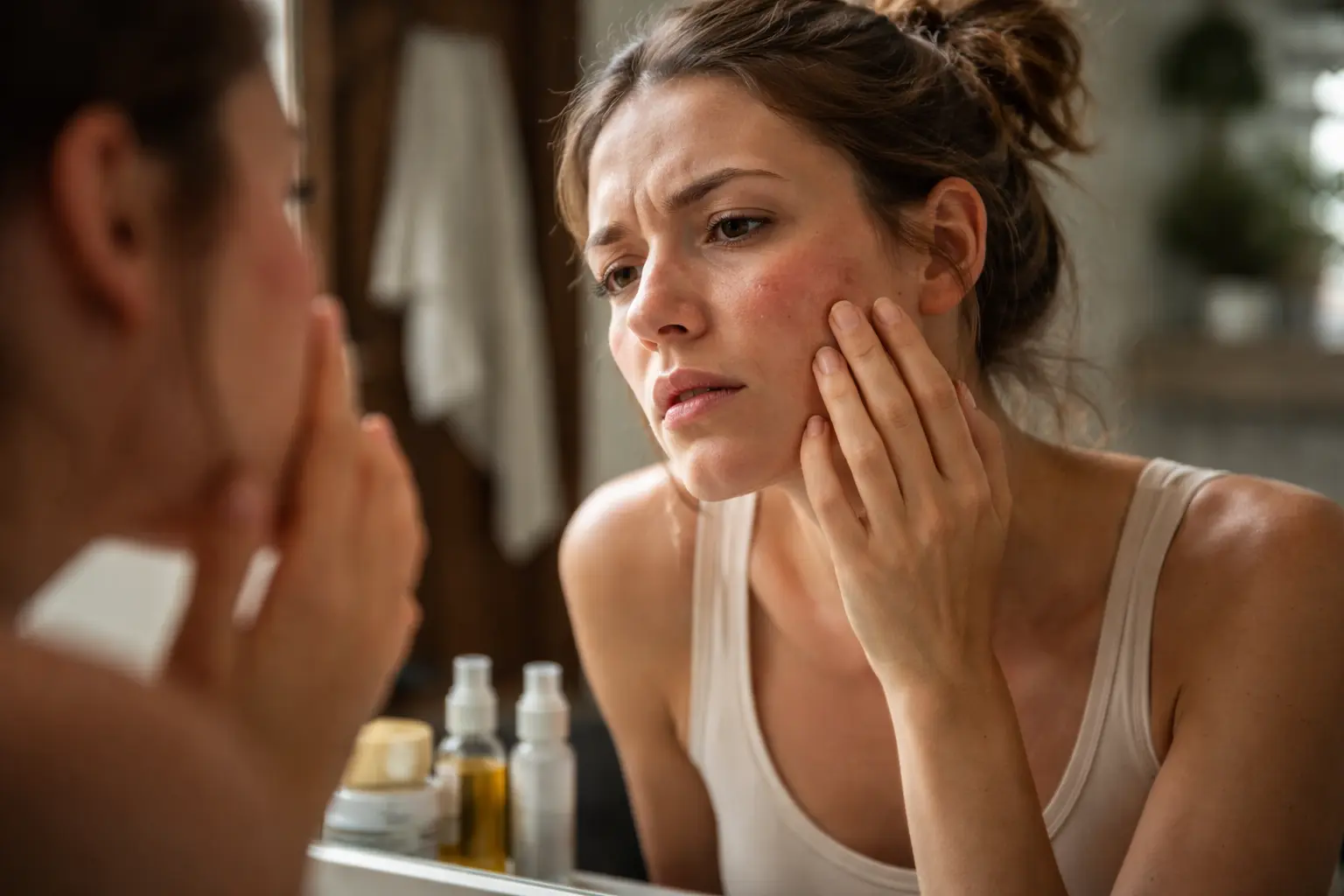
You’ve been slathering retinol on your face for months, expecting that magazine-cover glow, but your skin is still angry, flaky, and honestly looking worse than when you started, which is exactly why understanding retinol versus retinal usage could be the skincare plot twist you desperately need.
Understanding retinol and retinal: what’s the difference?
Retinol and retinal are both forms of vitamin A, but here’s where things get interesting: your skin has to work harder with retinol. When you apply retinol, your skin needs to convert it into retinaldehyde first, then convert that again into retinoic acid, which is the actual form your cells can use. It’s like ordering a coffee and waiting for the barista to grow the beans, roast them, and brew the cup. Retinal skips a step in that process, arriving at your skin already closer to its final active form. This difference in conversion speed matters more than you might think, especially if you’ve got sensitive skin or you’re tired of the adjustment period. Retinal can directly interact with your skin’s receptors, potentially triggering benefits faster and with less of that dreaded peeling and irritation that makes you want to quit skincare altogether.
- Retinol requires two conversion steps in the skin, which can lead to a slower onset of action.
- Retinal can directly interact with skin receptors, making it faster-acting and potentially more suitable for sensitive skin.
- Retinal is considered more powerful than retinol due to its closer proximity to the active form of vitamin A.
How retinol users experience skincare benefits
If you’ve chosen retinol, buckle up for what dermatologists call the retinization phase, and what you’ll probably call the worst two weeks of your skincare life. Your skin will likely get red, dry, and flaky as the retinol forces your skin cells to turn over faster than they normally would. Some people describe it like their face is shedding a layer of dead skin daily, and honestly, that’s not far off. But here’s the thing: if you stick with it, usually around week three or four, something shifts. Your skin starts to look smoother, those fine lines around your eyes seem less pronounced, and dark spots from old breakouts begin to fade. By month three, you might notice your skin texture has genuinely improved and looks more youthful. The slow burn approach of retinol works because it gives your skin time to build tolerance, and the results, while gradual, tend to be stable and long-lasting once you’ve pushed through the rough patch.
💬 Ready to feel better in 2 minutes?choose where to begin:
The user experience with retinal
Retinal users often report a different journey altogether. Because retinal is more potent and requires less conversion work from your skin, many people see noticeable improvements faster, sometimes within two to three weeks instead of two to three months. The irritation tends to be milder too, which means less of that sandpaper-skin feeling that makes you want to hide from the world. Your skin might appear more radiant sooner, fine lines soften quicker, and overall texture improves without the same level of downtime. It’s like choosing the express lane instead of sitting in traffic. That said, retinal’s strength also means you need to respect it more carefully. Starting with a lower concentration is crucial, and you’ll want to introduce it slowly into your routine. Some people find retinal works better for their specific skin concerns, whether that’s texture, tone, or fine lines, because the faster action means visible results before you lose motivation.
Choosing the right option for your skincare journey
This decision really comes down to knowing yourself and your skin’s personality. If you’ve got sensitive, reactive skin that gets angry easily, retinal might actually be the gentler choice despite being more potent, because you’ll experience less irritation and can see results faster without the extended adjustment period. If you’re the patient type who doesn’t mind a slower burn and wants to minimize any risk of irritation, retinol could be your ally. Think about your lifestyle too: are you someone who needs to look presentable for work or social events? Retinol’s peeling phase might be inconvenient. Do you have the time to experiment with concentrations and formulations? Both options require some trial and error. Start low, go slow, and pay attention to how your skin responds. A dermatologist can offer personalized guidance based on your specific skin type, concerns, and goals, which honestly takes a lot of the guesswork out of this decision.
In the comparison of retinol versus retinal, retinal emerges as a potent option for quicker and potentially more effective skincare results, thanks to its direct interaction with the skin. Retinol users may experience a gradual but steady improvement in skin texture and appearance over time, despite the initial adjustment period.
Is retinal more effective than retinol?
Retinal is considered more potent and faster-acting than retinol due to its closer proximity to the active form of vitamin A, making it a preferred choice for those seeking quicker results with less irritation.
How should I choose between retinol and retinal for my skincare routine?
When deciding between retinol and retinal, consider factors like skin sensitivity, tolerance levels, and desired results. Experimenting with different concentrations and seeking advice from a dermatologist can help you find the best option for your unique skincare needs.
Others also read:
Disclaimer: This article is for informational purposes only and is not a substitute for professional medical advice. Always consult a healthcare professional for personal guidance.
This article presents an experience-based perspective and has been reviewed by the GlobalHealthBeacon editorial team in 2026. It provides structured, evidence-based information to support informed health decisions.
