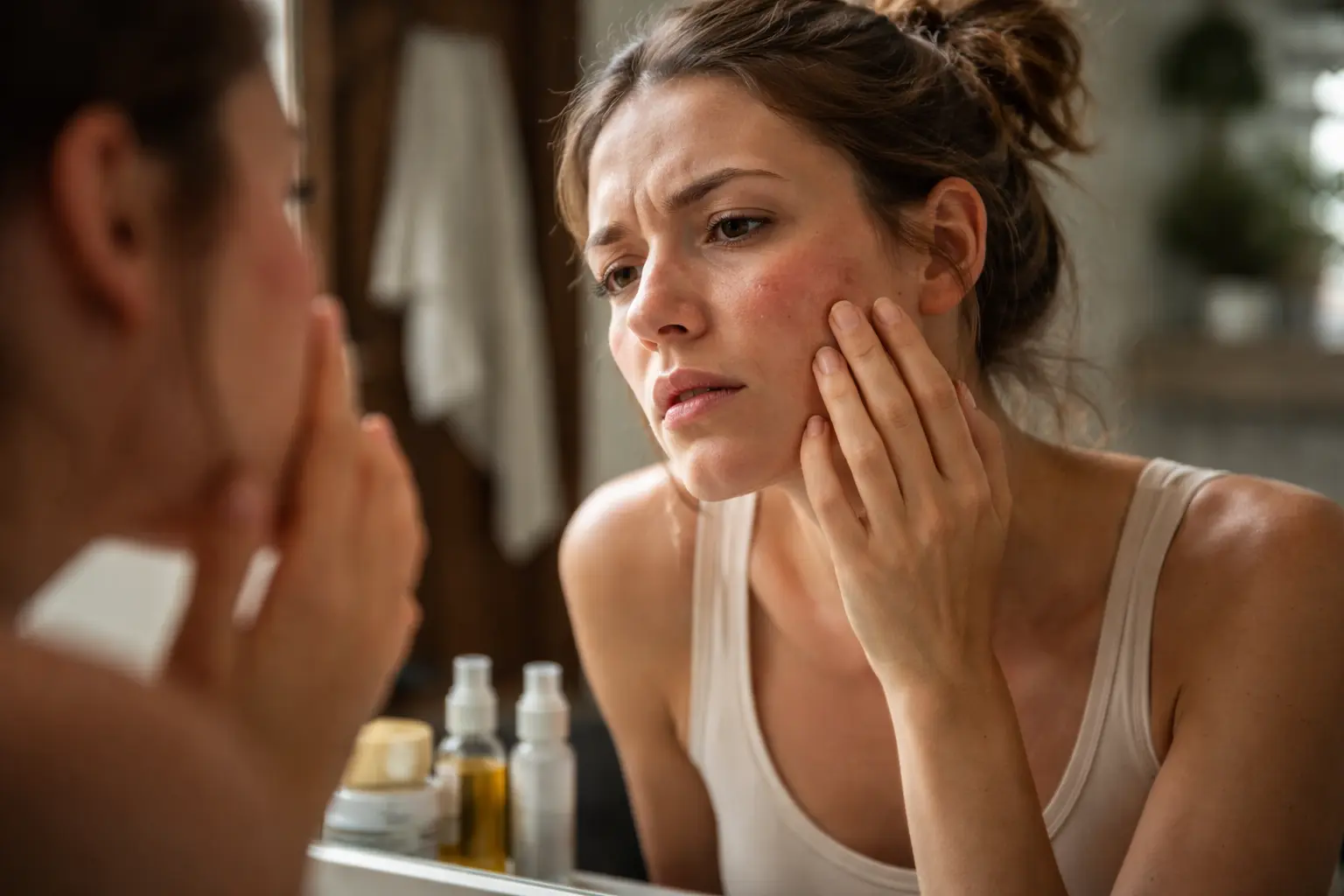
Your skin feels tired, lines are deepening, and you are tired of products that promise results but leave your face red and raw, so let’s cut through the noise on retinol versus retinal usage and figure out what actually works for your aging skin.
Understanding retinol and retinal
Retinol and retinal are both forms of vitamin A that work on your skin, but they take different paths to get there. Think of retinol as a multi-step process: your skin has to convert it into retinaldehyde, then into retinoic acid before it can actually do anything useful. Retinal, on the other hand, skips that first conversion step and goes straight to retinaldehyde, which means it gets to work faster. For seniors, this matters because your skin’s natural conversion ability slows down with age. When you use retinol, your skin is essentially doing extra work to activate it. Retinal cuts out the middleman. Both ingredients boost collagen production and speed up cell turnover, which is exactly what aging skin needs. The key difference is efficiency: retinal gets you results with less processing required from your skin, and for many people over 60, that translates to fewer irritation issues and faster visible improvements in texture and firmness.
- Retinal is more potent than retinol, requiring less conversion to become active in the skin.
- Retinal may cause less irritation and side effects compared to retinol due to its direct conversion to retinoic acid.
- Both retinol and retinal have proven benefits for promoting skin cell turnover and collagen production.
Pros and cons of retinol
Retinol has been the gold standard in anti-aging skincare for decades, and for good reason. It genuinely works on fine lines, wrinkles, sun damage, and uneven skin tone. Many seniors have seen real results with retinol products, especially when used consistently over months. The downside is the adjustment period, which can be rough. Your skin might feel tight, look red, or peel noticeably when you first start using it. Some people experience what is called retinization, where irritation peaks before improving. For seniors with sensitive skin or those already dealing with conditions like rosacea, this adjustment phase can feel discouraging. Retinol also requires your skin to do the metabolic work of converting it, which means slower results and potentially more irritation along the way. If you have tried retinol before and found it too harsh, that experience is valid, and it does not mean anti-aging ingredients are off the table for you.
📘 Fix your day in under 2 minuteschoose where to begin:
Benefits of retinal for seniors
Retinal offers a middle ground that many seniors find more tolerable than retinol. Because it skips the first conversion step, it tends to cause less irritation while still delivering visible results. Imagine starting a retinol product and spending two months dealing with redness and flaking before seeing improvement. With retinal, many users report seeing skin texture improvements within three to four weeks, with less of that uncomfortable adjustment period. Retinal also works well for age-related concerns like loss of firmness, dull tone, and those stubborn age spots that seem to multiply with time. Since your skin’s natural conversion enzymes become less efficient after 60, retinal is essentially giving your skin a helping hand by doing part of the work for you. For seniors who want visible anti-aging results without the harsh side effects, retinal can feel like permission to finally use a powerful ingredient without dreading the process.
How to incorporate retinal into your skincare routine
Starting retinal is not complicated, but doing it right makes all the difference. Begin with a low concentration, typically 0.05 percent or lower, and use it just two or three times per week initially. Apply it to clean, completely dry skin at night, then follow with a good moisturizer to buffer any potential irritation. Many seniors make the mistake of jumping to nightly use too quickly or pairing retinal with other active ingredients like vitamin C or acids, which can overwhelm their skin. Give yourself at least two weeks at your starting frequency before increasing to four times per week. After another two weeks, you can move to nightly use if your skin tolerates it well. Sunscreen during the day is non-negotiable because retinal makes your skin more sun-sensitive. Use at least SPF 30, and reapply every two hours if you are outdoors. If you experience persistent redness or irritation beyond the first week, scale back to once or twice weekly and give your skin more time to adjust.
Final thoughts on retinal usage
Retinal is worth exploring if you are a senior looking to address aging skin without the harsh side effects that stopped you from using retinol before. The evidence is clear that it works, and the fact that it requires less conversion from your skin makes it a smart choice for aging skin specifically. That said, retinal is not a magic solution. You will still need consistent use over weeks and months to see real results, and you will need to protect your skin from sun damage to maximize the benefits. A dermatologist can help you choose the right concentration and product for your specific skin type, especially if you have sensitive skin or other skin conditions. The goal is not just smoother skin but skin that feels comfortable and healthy throughout the process. Retinal can get you there, but only if you approach it with patience and realistic expectations.
Retinal offers a promising alternative to retinol for seniors looking to improve their skin without harsh side effects. By understanding the differences between the two and following a proper skincare routine, you can experience the benefits of retinal for smoother, more youthful-looking skin.
Is retinal suitable for sensitive skin?
Retinal is generally considered to be gentler on the skin compared to retinol and may be suitable for sensitive skin types. However, it is always recommended to perform a patch test and consult with a dermatologist before incorporating retinal into your skincare routine.
Can retinal help with age spots and hyperpigmentation?
Retinal has been found to be effective in treating age spots and hyperpigmentation by promoting skin cell turnover and reducing melanin production. Over time, consistent use of retinal may help improve the appearance of these skin concerns.
Others also read:
Disclaimer: This article is for informational purposes only and is not a substitute for professional medical advice. Always consult a healthcare professional for personal guidance.
This guide has been prepared and reviewed by the GlobalHealthBeacon editorial team and reflects current medical research as of 2026. It provides structured, evidence-based information to support informed health decisions.
