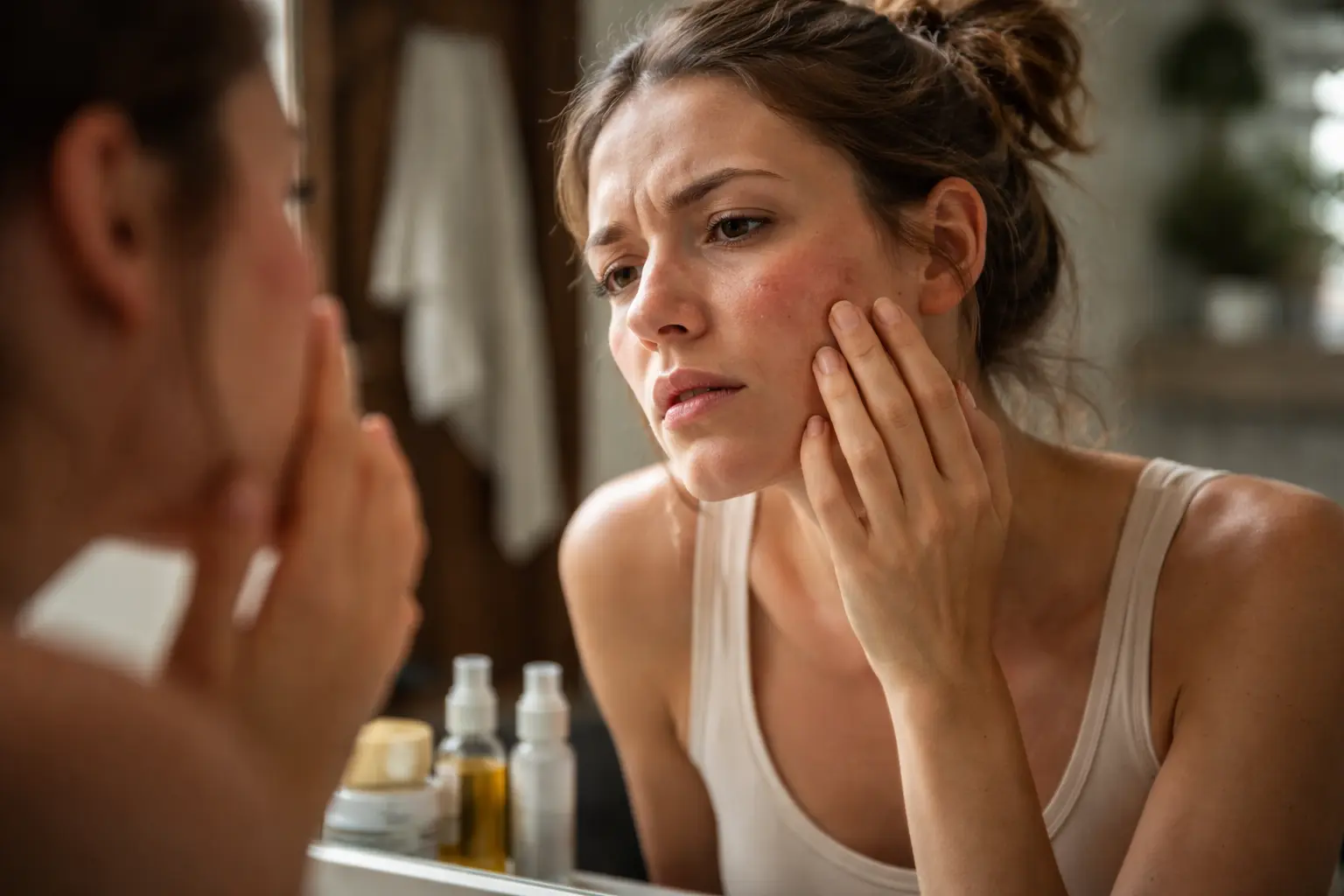
You’ve been using retinol for months, seeing decent results, but then you hear about retinal and wonder if you’ve been wasting your time on the slower option, so let’s break down retinol versus retinal usage once and for all to figure out which one actually delivers.
Understanding retinol and retinal
Retinol and retinal are both derivatives of Vitamin A, but they’re not created equal when it comes to how your skin actually uses them. Think of it like this: retinol is a precursor that needs to go through a two-step conversion process before it becomes retinoic acid, the active form that does the real work on your skin cells. Retinal, on the other hand, only needs one conversion step to reach that same active form. This difference matters because each conversion step takes time and energy from your skin cells. When you apply retinol, your skin first converts it to retinaldehyde, then to retinoic acid. It’s like taking the scenic route to your destination. Retinal skips that first step entirely, heading straight to retinaldehyde before becoming retinoic acid. For young adults experimenting with anti-aging ingredients, understanding this pathway helps explain why some people swear by one over the other and why your friend’s results might look different from yours.
Benefits of retinol and retinal
Retinol has earned its reputation as a skincare workhorse over decades of use and research. It’s known for gradually improving skin texture, reducing fine lines, and evening out skin tone over consistent use. The slower conversion process means gentler effects, which is why many people can tolerate retinol without excessive irritation. Retinal, being more direct in its pathway, tends to show faster visible results. Some users report noticing improvements in skin clarity and firmness within weeks rather than months. Both ingredients address similar concerns like fine lines, wrinkles, and hyperpigmentation, but the timeline and intensity differ. For young adults just starting their anti-aging journey, retinol might feel less aggressive and easier to build into a routine. For those seeking quicker transformation, retinal offers a more potent approach. The key is that both work through the same ultimate mechanism, just at different speeds and intensities.
Conversion efficiency comparison
Here’s where the science gets interesting. Research shows that retinal converts to retinoic acid more efficiently than retinol does, meaning more of what you apply actually becomes the active ingredient your skin can use. Imagine retinol as a delivery system with some loss along the way, while retinal is a more direct pipeline. This efficiency difference explains why retinal is often considered more potent at lower concentrations. A 0.5% retinal product might deliver similar results to a 1% retinol product because less is wasted in the conversion process. For young adults with busy lives, this efficiency matters because it means faster results and potentially less time needed to see improvements. However, this also means retinal carries a higher risk of irritation for sensitive skin types. The conversion process itself generates some oxidative stress in skin cells, which is why retinal users often report more noticeable peeling and redness initially. Understanding this helps you set realistic expectations and choose the right strength for your skin’s tolerance level.
- Check the concentration of retinol or retinal in your skincare products and note whether it’s listed as a percentage or just mentioned in the ingredients.
- Monitor your skin’s response to each ingredient over at least four to eight weeks, keeping notes on redness, peeling, texture changes, and any improvements you notice.
- Consult a dermatologist for personalized recommendations based on your skin type, current concerns, and sensitivity level to ensure you’re using the right strength and formulation.
🔬 Science-backed benefits in 2 minuteschoose where to begin:
Potential side effects
Both retinol and retinal come with a learning curve, and that’s completely normal. When you first introduce either ingredient, your skin might respond with redness, dryness, peeling, or mild irritation. This happens because your skin cells are being stimulated to turn over faster and produce more collagen. The difference is that retinal users typically experience these effects more intensely and quickly because of its direct conversion pathway. Retinol’s gentler approach means side effects usually develop more gradually, giving your skin time to adapt. Common mistakes young adults make include starting with too high a concentration, using it every night immediately, or combining it with other active ingredients like vitamin C or acids right away. A smarter approach involves starting with the lowest concentration, using it just two to three times weekly, and gradually increasing frequency as your skin builds tolerance. If irritation becomes severe, scaling back is not a failure, it’s smart skincare. Your skin barrier needs time to adjust, and pushing too hard too fast can lead to compromised skin health.
Long-term effects and considerations
Retinol has decades of research backing its long-term safety and efficacy for anti-aging benefits. Scientists have extensively studied how it affects collagen production, cell turnover, and skin aging at the cellular level. Retinal, while showing promising results, hasn’t been studied as extensively over long periods, so we’re still learning about its sustained effects on skin health. What we do know is that both ingredients increase skin cell turnover and can make your skin more photosensitive, meaning more vulnerable to UV damage. This is why dermatologists universally recommend daily sunscreen when using retinoids, regardless of which type you choose. Young adults often underestimate sun protection, but this is crucial because retinoid use essentially accelerates the rate at which your skin cells are exposed to potential damage. Additionally, both ingredients can cause dryness and barrier disruption if overused, so pairing them with a good moisturizer and hydrating serum is essential for long-term success. Think of it as building a complete system rather than just adding one product.
Final thoughts on retinol vs. retinal usage
The choice between retinol and retinal isn’t about finding the objectively better option, it’s about finding what works for your specific skin, lifestyle, and goals. Retinol suits people who prefer a gentler introduction to retinoids, those with sensitive skin, or anyone willing to wait a few months for results. Retinal appeals to young adults seeking faster visible improvements and those with resilient skin that tolerates stronger actives well. Neither choice is wrong, and honestly, many dermatologists recommend starting with retinol and potentially moving to retinal later once your skin is fully adapted. The real skill is paying attention to how your skin responds and adjusting accordingly. Some people find their sweet spot with retinol and never feel the need to switch. Others discover retinal works better for their skin chemistry. Experimenting with different products, concentrations, and application frequencies is part of the journey. Keep realistic expectations, be patient, and remember that consistency matters far more than which specific retinoid you choose. Your skin will tell you what it needs if you listen.
Retinol and retinal are both Vitamin A derivatives used in skincare, but they differ significantly in how your skin processes them. Retinol requires two conversion steps to become active, while retinal needs only one, making it potentially more efficient and faster-acting. Both offer anti-aging benefits including improved texture and reduced fine lines, but retinal may cause more initial irritation due to its direct conversion pathway. Retinol suits those seeking gentler introduction to retinoids, while retinal appeals to those wanting quicker results. Long-term research strongly supports retinol, though retinal shows promise. The best choice depends on your skin sensitivity, tolerance, and desired timeline for results.
Which is more suitable for sensitive skin: retinol or retinal?
Retinol is generally better suited for sensitive skin because its two-step conversion process is gentler and allows your skin more time to adapt. Retinal’s single-step conversion means faster, more intense effects that can overwhelm sensitive skin. If you have reactive skin, starting with a low-concentration retinol and building tolerance over months is a safer approach than jumping to retinal.
Can retinol or retinal be used during pregnancy?
It is recommended to avoid using retinol and retinal during pregnancy due to their potential effects on fetal development. High-dose retinoids are known teratogens, and while topical use involves lower systemic absorption than oral forms, most healthcare providers advise discontinuing these ingredients during pregnancy and breastfeeding. Consult with your obstetrician for safe skincare alternatives during this time.
Others also read:
Disclaimer: This article is for informational purposes only and is not a substitute for professional medical advice. Always consult a healthcare professional for personal guidance.
This article has been prepared and reviewed by the GlobalHealthBeacon editorial team and is based on current medical research and published scientific literature available in 2026. It provides structured, evidence-based information to support informed health decisions.
