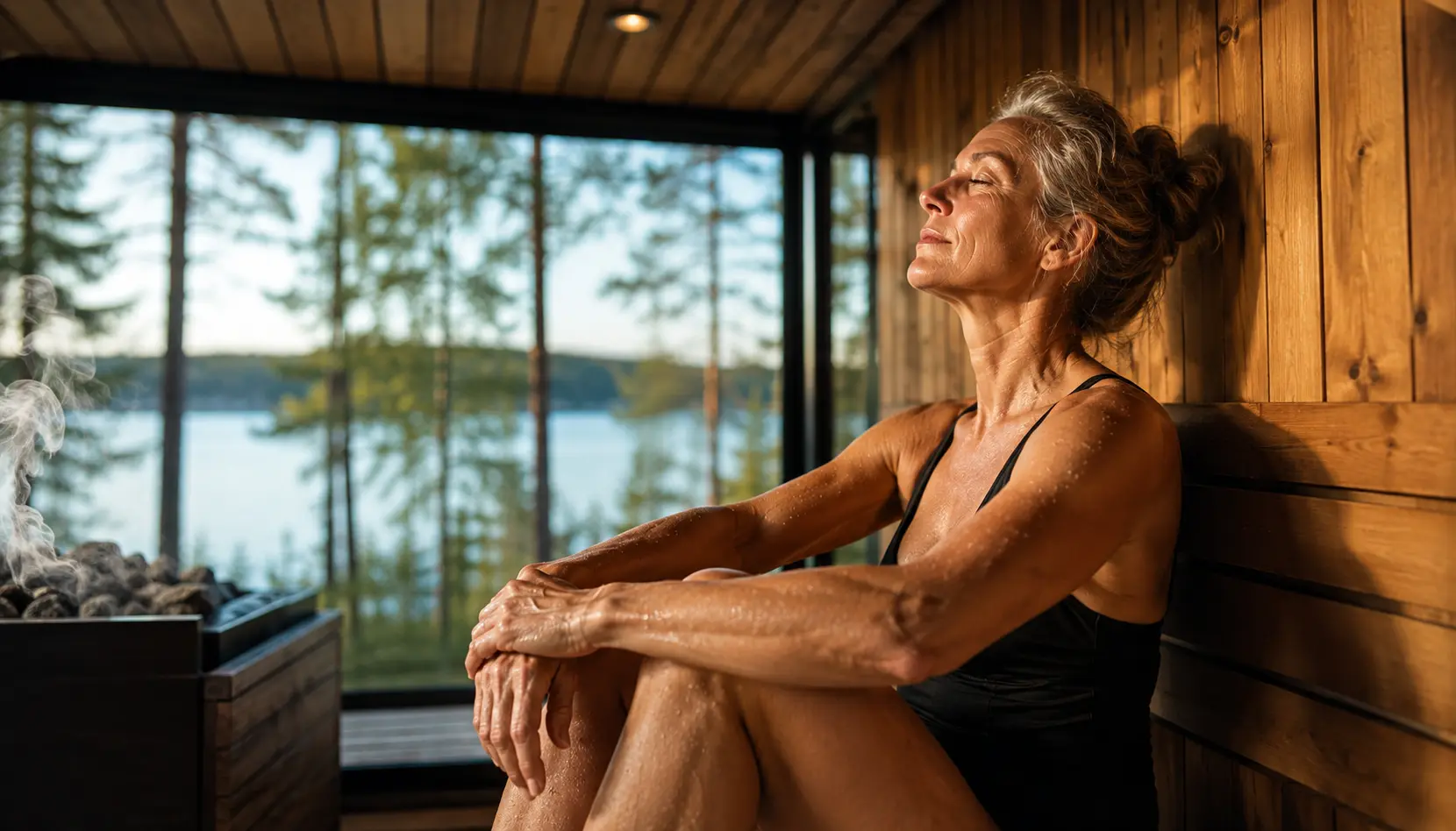
If you are tired of feeling stiff, stressed, and stuck in a wellness rut, a sauna routine for longevity might be exactly what your body has been asking for.
Understanding the benefits of sauna sessions
Sauna sessions offer numerous benefits for seniors, and understanding how they work helps you appreciate what happens inside your body. When you sit in a sauna, your core temperature rises gradually, triggering your cardiovascular system to work harder and pump blood more efficiently throughout your body. This enhanced circulation delivers oxygen and nutrients to muscles and tissues that may have felt sluggish or tight. Beyond circulation, regular sauna use supports heart health by conditioning your cardiovascular system in a controlled, low-impact way. Many seniors report feeling noticeably calmer after sessions, as the heat promotes the release of endorphins and reduces cortisol levels. The detoxification process occurs as your body sweats out impurities through your skin. Picture yourself stepping out of a sauna feeling lighter, your muscles relaxed, and your mind clear. That sensation is your body recovering and rebuilding itself stronger.
- Enhances blood circulation and oxygen delivery to muscles
- Promotes relaxation, stress reduction, and better sleep quality
- Supports natural detoxification through perspiration
Building a sauna routine
Starting a sauna routine does not require complicated steps, but it does require intention and consistency. Begin by setting your sauna to a moderate temperature between 150 and 175 degrees Fahrenheit, which is warm enough to deliver benefits without overwhelming your system. Your first sessions should last 10 to 15 minutes, allowing your body to acclimate to the heat. Think of this as training wheels for your wellness journey. Hydrate well before entering the sauna by drinking water about 30 minutes prior. Once inside, sit comfortably and focus on your breathing, letting your body warm gradually. Pay attention to how you feel, noticing any signals from your body like dizziness or excessive fatigue. If you feel uncomfortable, step out and cool down. As you build tolerance over several weeks, you can gradually extend sessions to 20 minutes or adjust the temperature slightly higher. The key is listening to your body and never pushing past your comfort zone.
📘 Fix your day in under 2 minuteschoose where to begin:
Post-sauna care tips
What you do after your sauna session matters just as much as the session itself. Immediately after exiting, drink water or an electrolyte-rich beverage to replenish fluids lost through sweating. Your body has worked hard and needs hydration to recover properly. Follow this with a warm shower to rinse away sweat and toxins from your skin, then gradually cool the water temperature to help your body transition back to normal. This cool-down phase is crucial and prevents sudden temperature shock. After showering, rest in a comfortable space for at least 15 to 20 minutes. Your muscles are still relaxed and your nervous system is in recovery mode, so this is an ideal time to sit quietly, read, or meditate. Avoid jumping into strenuous activity immediately. Some seniors find that a light snack with protein and carbohydrates helps their body recover even better. Think of this post-sauna window as sacred recovery time that amplifies all the benefits you just earned.
Frequency and duration
Finding the right frequency for your sauna routine depends on your individual health status and goals. For most seniors, aiming for 2 to 3 sessions per week provides excellent benefits without overloading your system. This schedule allows your body adequate recovery time between sessions while building cumulative wellness gains. If you are new to saunas, start with one session per week for the first month, then gradually increase to two sessions as your body adapts. Each session should remain around 10 to 15 minutes initially. As weeks pass and you feel more comfortable, you can extend duration to 20 minutes if desired, or maintain the same length and simply increase frequency. Some seniors prefer shorter, frequent sessions while others prefer longer, less frequent ones. The best routine is the one you will actually stick with consistently. Track how you feel after each session in a simple journal. Notice improvements in sleep quality, joint flexibility, or stress levels. This personal feedback becomes your guide for adjusting frequency and duration to match your unique needs.
Safety precautions
Safety should always be your foundation when building any new wellness practice. Before starting a sauna routine, consult your healthcare provider, especially if you have existing health conditions like low blood pressure, heart disease, diabetes, or take medications that affect temperature regulation. Your doctor can provide personalized guidance based on your medical history. Avoid alcohol consumption before or immediately after sauna sessions, as alcohol impairs your body’s ability to regulate temperature and increases dehydration risk. Never enter a sauna on an empty stomach or immediately after a large meal, as digestion requires blood flow your body needs elsewhere. Remove any jewelry or metal that could heat up and burn your skin. If you feel faint, dizzy, nauseous, or experience chest pain during a session, exit immediately and cool down slowly. Bring water into the sauna with you and sip regularly. Tell a family member or friend about your sauna schedule so someone knows where you are. These precautions transform sauna use from a risky experiment into a safe, sustainable wellness practice.
Sauna routines for longevity offer a range of benefits like enhanced circulation and stress reduction. With proper post-sauna care, frequency, and safety precautions, seniors can incorporate sauna sessions as a natural wellness practice.
Is sauna suitable for all seniors?
Sauna use can benefit many seniors, but those with certain medical conditions like low blood pressure or heart conditions should consult a healthcare provider before starting a sauna routine.
Can sauna sessions help with joint pain?
Some seniors find relief from joint pain through sauna sessions due to improved blood flow and muscle relaxation. However, individual results may vary, and it is essential to listen to your body’s signals.
Others also read:
Disclaimer: This article is for informational purposes only and is not a substitute for professional medical advice. Always consult a healthcare professional for personal guidance.
This guide has been prepared and reviewed by the GlobalHealthBeacon editorial team and reflects current medical research as of 2026. It provides structured, evidence-based information to support informed health decisions.
