Your gums bleed when you floss, your breath won’t quit no matter how much you brush, and something just feels off in your mouth – scaling and root planing might be exactly what you need to stop the damage before it gets worse.
Understanding scaling and root planing
Scaling and root planing are deep cleaning procedures that work below the surface where your regular toothbrush can’t reach. Think of it like this: regular brushing handles the visible part of your teeth, but bacteria and tartar accumulate beneath your gumline where they cause real damage. During scaling, your dentist removes hardened plaque and tartar from tooth surfaces and below the gums. Root planing smooths the root surfaces to help your gums reattach and heal. This two-part approach eliminates the bacterial colonies that trigger inflammation and infection. For young adults, catching gum disease early through these procedures can prevent years of complications down the road. The procedure addresses the root cause rather than just treating symptoms, making it a preventive investment in your long-term oral health.
- Reduces inflammation in the gums
- Helps prevent tooth loss
- Promotes healthier gums
Signs that you might need scaling and root planing
Pay attention to what your mouth is telling you. Red, swollen gums that look puffy or feel tender are early warning signs. If you notice bleeding when you brush or floss, that’s your gums signaling inflammation. Persistent bad breath that doesn’t improve with mouthwash or mints often indicates bacterial buildup beneath the gumline. Some young adults experience a shift in how their teeth fit together or notice teeth feeling slightly loose or mobile. You might also see your gumline receding, making teeth appear longer than before. These symptoms don’t appear overnight; they develop gradually as gum disease progresses. Your dentist can identify early-stage gum disease through a simple examination and measurements of your gum pockets. Don’t wait for pain to develop because gum disease doesn’t always hurt until it’s advanced. Schedule a comprehensive evaluation if you notice any of these signs.
📘 Fix your day in under 2 minuteschoose where to begin:
The procedure: what to expect
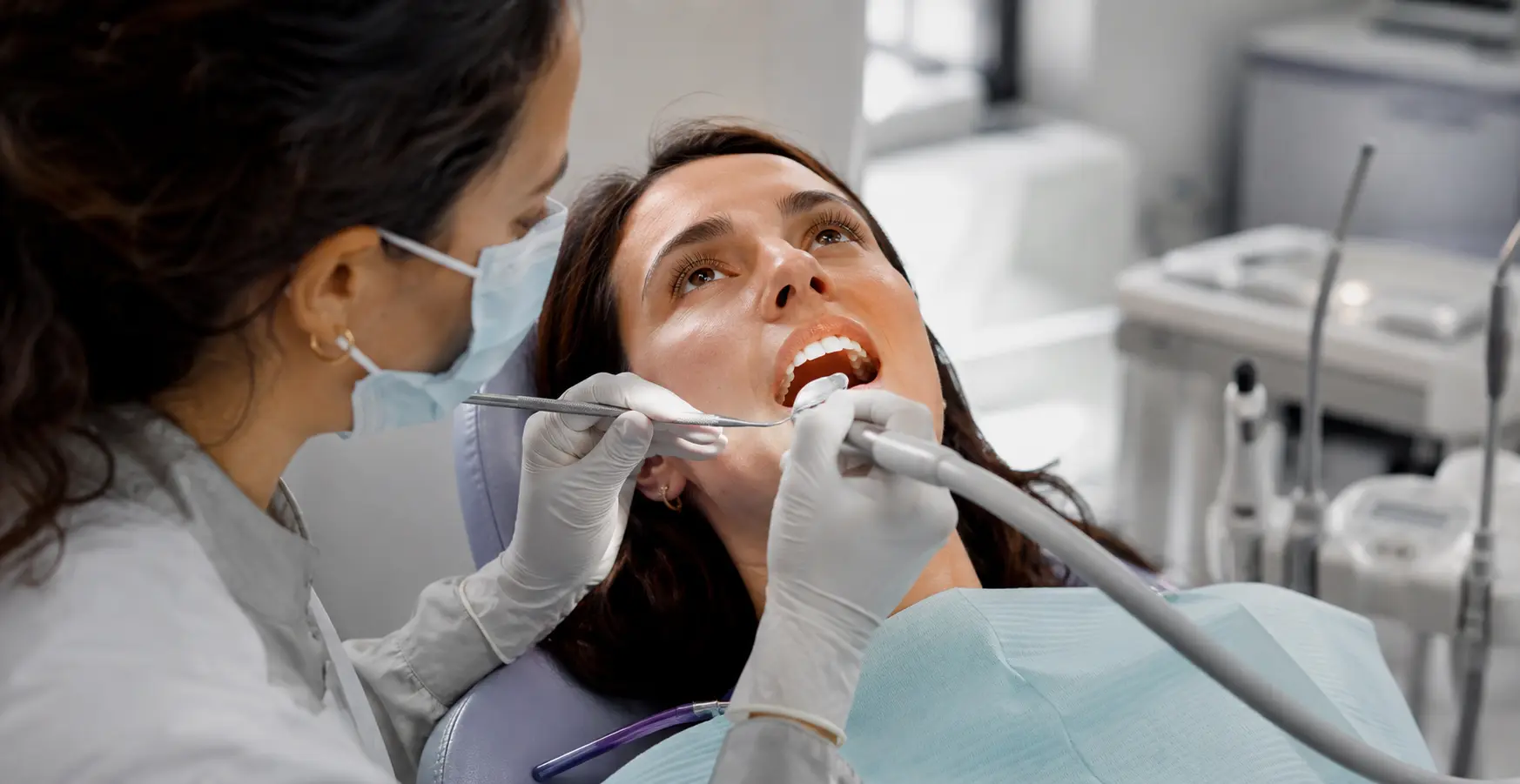
Understanding what happens during scaling and root planing removes anxiety and helps you prepare mentally. Your dentist will first apply a local anesthetic to numb the area, ensuring you feel pressure but not pain during the procedure. They’ll use an ultrasonic scaler, which vibrates to break apart tartar deposits, followed by hand instruments to carefully remove buildup from tooth surfaces and below the gumline. The entire process feels like a deep cleaning with water spray and suction. Depending on how much tartar has accumulated and the severity of your gum disease, you may need one or multiple appointments. Some dentists complete the procedure in one visit, while others prefer splitting it into two sessions to allow thorough cleaning of all areas. Your dentist might also apply antimicrobial agents to help kill remaining bacteria. After the procedure, you’ll receive specific aftercare instructions tailored to your situation.
Aftercare tips for a healthy smile
The days and weeks following scaling and root planing are critical for healing and preventing gum disease from returning. Your gums need time to reattach to your teeth, so be gentle during this period. Brush twice daily with a soft-bristled toothbrush using gentle circular motions rather than aggressive scrubbing. Floss daily but carefully, avoiding areas that feel tender. Your dentist may recommend an antimicrobial mouthwash to reduce bacterial growth while your gums heal. Some sensitivity to temperature is normal for a few days; over-the-counter pain relievers can help manage this. Avoid smoking and limit alcohol consumption as both interfere with healing. Stick to soft foods for the first few days if eating causes discomfort. Attend all follow-up appointments your dentist schedules because they’ll monitor your healing and ensure the procedure worked effectively. Long-term success depends on maintaining excellent oral hygiene habits and regular professional cleanings.
Benefits of scaling and root planing for young adults
For young adults, addressing gum disease now pays dividends for decades. Your teeth are meant to last your entire life, and gum disease is one of the leading causes of tooth loss in adults. By treating gum disease early through scaling and root planing, you’re preventing progression that could eventually require extractions or implants. Beyond saving your teeth, healthy gums support overall health because oral bacteria can enter your bloodstream and affect your heart and immune system. Young adults who treat gum disease early typically avoid the more invasive and expensive procedures that older adults often need. You’re also establishing healthy oral habits now that will become automatic, making future dental care easier. The procedure gives your mouth a fresh start, eliminating the bacterial infection and allowing tissues to heal. Many young adults report improved confidence once their gums stop bleeding and their breath improves. This procedure is an investment in your smile’s future.
Scaling and root planing are essential procedures that can help young adults prevent gum disease, maintain optimal oral health, and protect their smiles. By removing plaque and tartar from below the gumline, this deep cleaning treatment reduces inflammation, prevents tooth loss, and promotes healthier gums.
Is scaling and root planing painful?
Scaling and root planing are usually performed with local anesthesia to ensure minimal discomfort during the procedure. Some patients may experience minor sensitivity or soreness afterward, but this can be managed with over-the-counter pain relievers.
How often should young adults have scaling and root planing?
The frequency of scaling and root planing treatments varies depending on individual oral health needs. Your dentist will recommend a personalized schedule based on the severity of gum disease, your oral hygiene habits, and overall dental health.
Disclaimer: This article is for informational purposes only and is not a substitute for professional medical advice. Always consult a healthcare professional for personal guidance.
This guide has been prepared and reviewed by the GlobalHealthBeacon editorial team and reflects current medical research as of 2026. It provides structured, evidence-based information to support informed health decisions.
