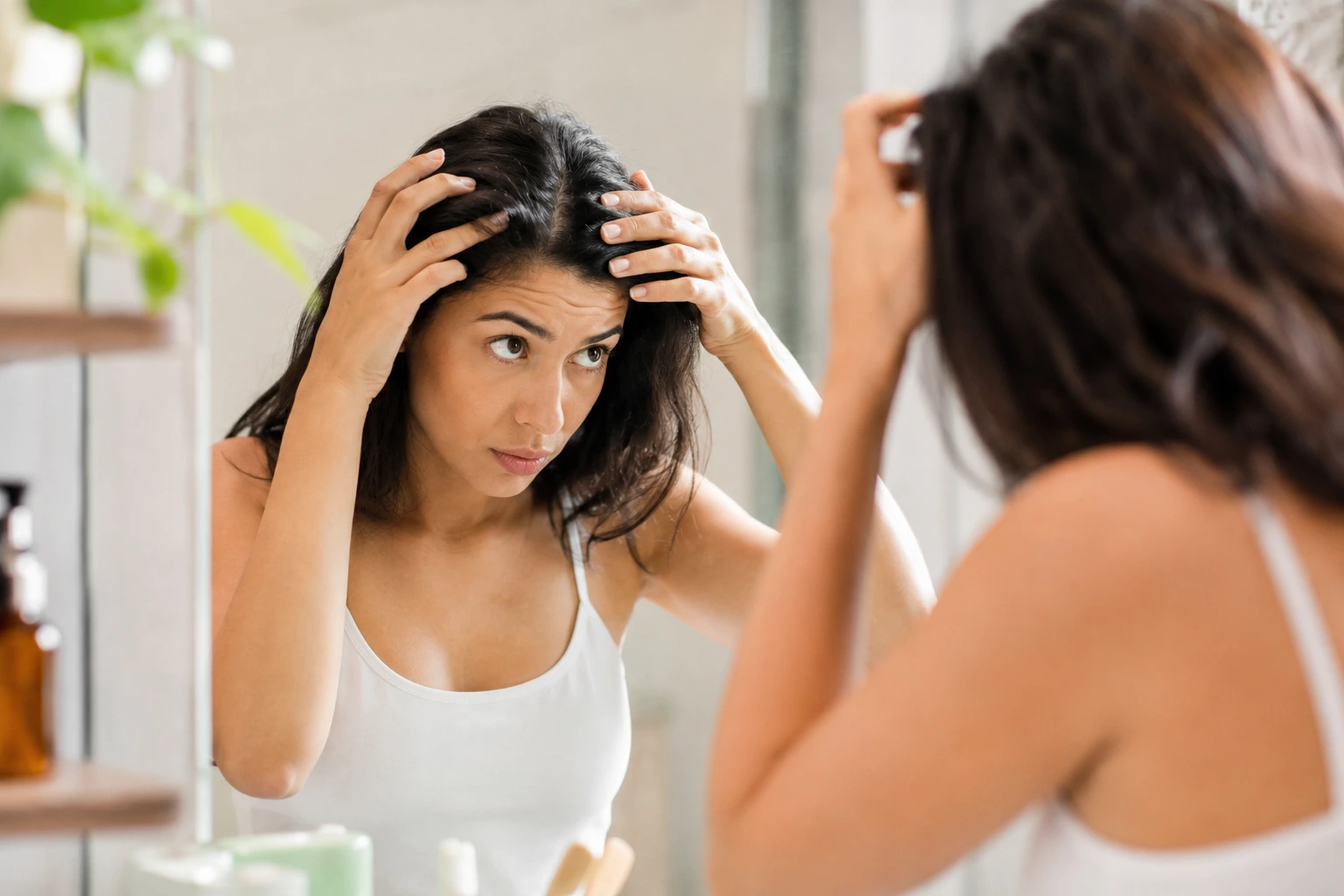
You’re scrolling through your phone when you catch your reflection and notice your scalp is red, itchy, and honestly kind of gross, and you realize your scalp health routine has basically been nonexistent.
How to establish a consistent scalp care routine
Building a scalp care routine sounds simple in theory, but it’s honestly one of those things that requires real commitment. Think about it like this: you wouldn’t just splash water on your face and call it a day, right? Your scalp deserves the same attention. Start by identifying your scalp type, whether it’s oily, dry, or somewhere in between. Then choose gentle shampoos and conditioners specifically formulated for your needs, not just whatever’s on sale at the drugstore. When you’re in the shower, take two minutes to actually massage your scalp with your fingertips in circular motions, which stimulates blood flow and helps loosen buildup. A lot of people rush through this part, but that massage is genuinely where the magic happens. Common mistake: using the same harsh shampoo your parents used and wondering why your scalp feels tight and uncomfortable. Consistency matters more than perfection here, so even if you miss a day, just get back on track.
- Use a clarifying shampoo once a week to cleanse deeply
- Avoid using hot water on your scalp as it can strip away natural oils
- Consider adding a scalp exfoliant to your routine to remove dead skin cells
The importance of balancing moisture and hydration
Moisture balance is where a lot of young adults get confused because there’s this weird contradiction: your scalp might feel oily on the surface but actually be dehydrated underneath. It’s like your scalp is crying out for help by overproducing oil to compensate. Look for products with hydrating ingredients like aloe vera, glycerin, or coconut oil that actually penetrate the scalp without leaving it feeling greasy. Here’s a practical example: imagine your scalp like a plant. If you don’t water it enough, it gets dry and brittle. But if you drown it with heavy products, the roots suffocate. The sweet spot is finding lightweight hydrating serums or oils that absorb quickly. A common mistake is loading your scalp with thick creams that just sit on top and make everything worse. Start with less product than you think you need, see how your scalp responds over two weeks, and adjust from there.
💬 Ready to feel better in 2 minutes?choose where to begin:
Nutrition and lifestyle factors for healthy scalp
Here’s something nobody really talks about: your scalp health is literally a reflection of what’s happening inside your body. When you’re stressed, pulling all-nighters, or living on fast food, your scalp knows it. Start paying attention to whether you’re getting enough protein, zinc, iron, and B vitamins because these directly impact hair and scalp health. A real scenario: you might notice your scalp gets itchier during exam season or when you’re dealing with work stress. That’s not a coincidence. Your body redirects resources away from your scalp when you’re in survival mode. Try incorporating foods like salmon, eggs, spinach, and nuts into your regular meals. Beyond diet, sleep and stress management matter just as much. Even adding a 10-minute walk or some basic meditation can visibly improve your scalp within weeks. The connection is real, and once you start treating your whole self better, your scalp responds.
Seeking professional help when needed
Sometimes you do everything right and your scalp still acts up, and that’s the moment to stop guessing and see a dermatologist. There’s no shame in this, honestly. Persistent itching, flaking, redness, or anything that doesn’t improve after a solid month of consistent care deserves professional attention. A dermatologist can identify whether you’re dealing with dandruff, seborrheic dermatitis, psoriasis, or something else entirely, which completely changes your treatment approach. Think of it like this: you wouldn’t keep trying random fixes on a car that’s making a weird noise when a mechanic could diagnose it in minutes. The same applies to your scalp. They can prescribe targeted treatments, recommend specific products, or rule out underlying health issues that might be affecting your scalp. Getting professional help early actually saves you time and money in the long run because you stop wasting money on products that won’t work for your specific situation.
Establishing a scalp care routine, balancing moisture, paying attention to nutrition, and seeking professional help when needed are key steps to maintaining a healthy scalp.
What are common signs of an unhealthy scalp?
Signs include itchiness, flakiness, redness, and excessive oiliness. If you experience any of these symptoms, it’s essential to address them promptly.
Can diet affect scalp health?
Yes, a diet lacking in essential nutrients can lead to poor scalp health. Ensure you include a variety of vitamins and minerals in your meals to support your scalp and hair.
Others also read:
Disclaimer: This article is for informational purposes only and is not a substitute for professional medical advice. Always consult a healthcare professional for personal guidance.
This article presents an experience-based perspective and has been reviewed by the GlobalHealthBeacon editorial team in 2026. It provides structured, evidence-based information to support informed health decisions.

