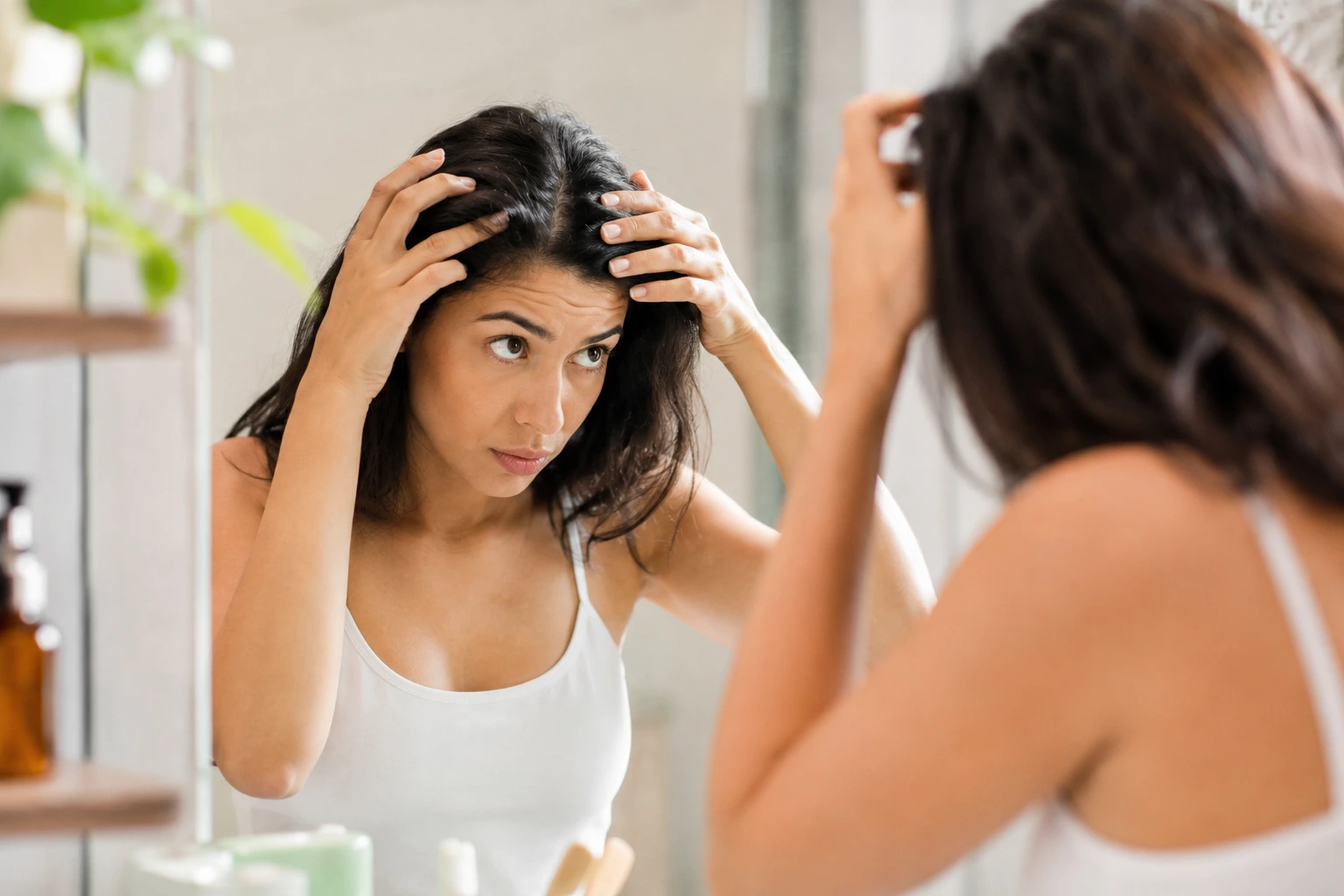
Your scalp is itching, flaking, or just feels off, and you have no idea why your scalp health routine isn’t working, but here’s the thing: most people are doing it completely wrong because they don’t understand the actual science behind what their scalp needs.
Understanding scalp health
Your scalp is far more complex than most people realize. It’s not just skin with hair growing out of it. Think of it as an entire ecosystem. The scalp contains thousands of sebaceous glands that produce sebum, a natural oil that protects and moisturizes your hair and skin. This sebum isn’t the enemy, even though many young adults treat it that way. Your scalp also hosts a diverse microbiome, a community of bacteria and fungi that, when balanced, actually protect you from infections and irritation. Hair follicles are rooted deep in the scalp, drawing nutrients from blood vessels beneath the surface. When this system is in harmony, your hair grows stronger and your scalp feels comfortable. But when any part of this balance gets disrupted, problems emerge quickly. Understanding these biological processes helps explain why certain products work and others make things worse.
Causes of scalp issues
Scalp problems rarely appear out of nowhere. They’re usually the result of multiple factors working together. Stress is a major culprit. When you’re stressed, your body releases cortisol, which can trigger inflammation and disrupt your scalp’s microbiome balance, leading to dandruff or itchiness. Hormonal fluctuations, especially during your twenties and thirties, can increase sebum production or cause sensitivity. Harsh hair products strip away natural oils, forcing your scalp to overproduce sebum to compensate, creating an oily, uncomfortable cycle. Heat styling tools damage the hair shaft and can irritate the scalp over time. Even your diet matters. Deficiencies in zinc, iron, or B vitamins can weaken hair follicles and compromise scalp health. Environmental factors like pollution, chlorine from pools, or hard water can also accumulate on your scalp and cause buildup. The key is recognizing that scalp issues are signals, not random events.
Practical tips for a healthy scalp
Building a scalp health routine starts with honest assessment. First, identify your scalp type. Is it oily, dry, or combination? An oily scalp needs lightweight, clarifying shampoos, while a dry scalp benefits from hydrating formulas. Second, wash frequency matters more than you think. Over-washing strips natural oils, but under-washing allows buildup. Most young adults find that washing two to three times per week works best, though this varies. Third, water temperature affects your scalp significantly. Hot water opens pores and can irritate sensitive scalps, while lukewarm water is gentler. Fourth, reduce heat styling. Air-drying your hair gives your scalp a break and reduces inflammation. When you do use heat tools, apply a heat protectant spray first. Fifth, nutrition is non-negotiable. Eat foods rich in omega-3 fatty acids like salmon, nuts, and seeds. Include leafy greens for iron and biotin-rich eggs for hair strength. Hydration matters too. Drinking enough water supports scalp moisture from the inside out. Finally, consider scalp massages. Gentle circular motions with your fingertips for five minutes daily increase blood flow to hair follicles, promoting growth and reducing tension.
- Choose a shampoo tailored to your scalp type and test it for at least two weeks before deciding if it works.
- Limit heat styling to once or twice weekly and always use a heat protectant product beforehand.
- Include nutrient-rich foods like salmon, eggs, spinach, and nuts in your diet to support scalp and hair health.
🔬 Science-backed benefits in 2 minuteschoose where to begin:
Scalp health maintenance
Maintenance is about consistency and prevention, not perfection. Establish a routine and stick with it for at least four to six weeks before expecting results. Your scalp needs time to rebalance after years of potentially harsh treatment. Regular cleansing removes dead skin cells and product buildup, but the goal is gentle cleansing, not aggressive scrubbing. When you shampoo, focus on the scalp itself, not just the hair. Use your fingertips, not your nails, to massage the shampoo in. Rinse thoroughly because leftover shampoo residue causes itching and flaking. Conditioning is important too, but apply it mainly to the ends of your hair, not the scalp itself, unless your scalp is very dry. Sun protection is often overlooked. Your scalp can sunburn just like your skin. If you spend time outdoors, wear a hat or use a UV-protective spray on your scalp. During winter, protect your scalp from harsh wind and cold, which can dry it out. Keep your hair tools clean. Brushes and combs accumulate bacteria and dead skin cells. Wash them weekly with shampoo and warm water. These small habits compound over time, creating lasting scalp health.
Monitoring scalp conditions
Pay close attention to what’s happening on your scalp because changes are your body’s way of communicating. Redness can signal inflammation, irritation, or an allergic reaction to a product. Flakiness might indicate dryness, dandruff, or product buildup. Excessive itching could mean your scalp is too dry, too oily, or reacting to something new. Hair shedding is normal, but if you notice more hair in your brush or shower drain than usual, it might signal stress, nutritional deficiency, or scalp inflammation. Keep a simple log. Note what you’re using on your hair, your stress levels, your diet, and any scalp symptoms. This helps you identify patterns. For example, you might notice that your scalp flares up after using a certain product or during stressful weeks. If you experience persistent redness, severe itching, unusual hair loss, or signs of infection like oozing or crusting, seek professional advice from a dermatologist. Early intervention prevents minor issues from becoming chronic problems. Your scalp is worth paying attention to.
Lifestyle factors impacting scalp health
Your scalp doesn’t exist in isolation. It reflects your overall health and lifestyle. Hydration is foundational. When you’re dehydrated, your scalp becomes dry and flaky, and your hair becomes brittle. Aim for eight glasses of water daily, more if you exercise. Sleep quality directly affects scalp health. During deep sleep, your body repairs tissues and regulates hormones that influence sebum production and inflammation. Chronic sleep deprivation disrupts this process, leading to scalp problems. Stress management is equally critical. Whether it’s meditation, exercise, time in nature, or hobbies you enjoy, find ways to reduce stress. Exercise itself boosts circulation, delivering more oxygen and nutrients to your scalp. Your diet influences everything. Processed foods and excess sugar can trigger inflammation throughout your body, including your scalp. Whole foods, lean proteins, healthy fats, and plenty of vegetables support scalp health from within. Finally, limit alcohol and smoking. Both dehydrate your body and impair circulation, affecting scalp health. Think of scalp care as part of a larger self-care practice. When you prioritize sleep, manage stress, eat well, and stay hydrated, your scalp responds positively.
Scalp health isn’t mysterious or complicated once you understand the biology behind it. Your scalp is a living ecosystem that responds to what you do, what you eat, and how you manage stress. By recognizing the causes of scalp issues, following practical maintenance routines, and paying attention to changes, you can create an environment where your hair thrives. The key is consistency and patience. Results take time, but when you align your habits with your scalp’s actual needs, you’ll notice the difference.
Is it necessary to wash my scalp daily?
Daily washing strips your scalp of natural oils, triggering overproduction of sebum and creating an oily, uncomfortable cycle. Most young adults benefit from washing two to three times per week. However, this depends on your scalp type, activity level, and climate. If you exercise daily and sweat heavily, you might need to rinse more often, but consider using just water or a very gentle cleanser instead of full shampoo every time. Listen to your scalp. If it feels dry and tight after washing, you’re washing too frequently. If it feels greasy by day two, you might need to adjust your routine or switch products.
Can stress affect scalp health?
Absolutely. Stress triggers the release of cortisol, a hormone that increases inflammation throughout your body, including your scalp. This inflammation disrupts your scalp’s microbiome balance and can trigger dandruff, itchiness, and even hair loss. Many young adults notice their scalp problems worsen during stressful periods like exams or work deadlines. Managing stress through exercise, meditation, adequate sleep, and activities you enjoy can significantly improve scalp health. If you’re experiencing stress-related scalp issues, addressing the stress itself is just as important as changing your hair care routine.
Others also read:
Disclaimer: This article is for informational purposes only and is not a substitute for professional medical advice. Always consult a healthcare professional for personal guidance.
This article has been prepared and reviewed by the GlobalHealthBeacon editorial team and is based on current medical research and published scientific literature available in 2026. It provides structured, evidence-based information to support informed health decisions.

